Blog

  • 11 Best Avocado Snacks for Kids

    11 Best Avocado Snacks for Kids

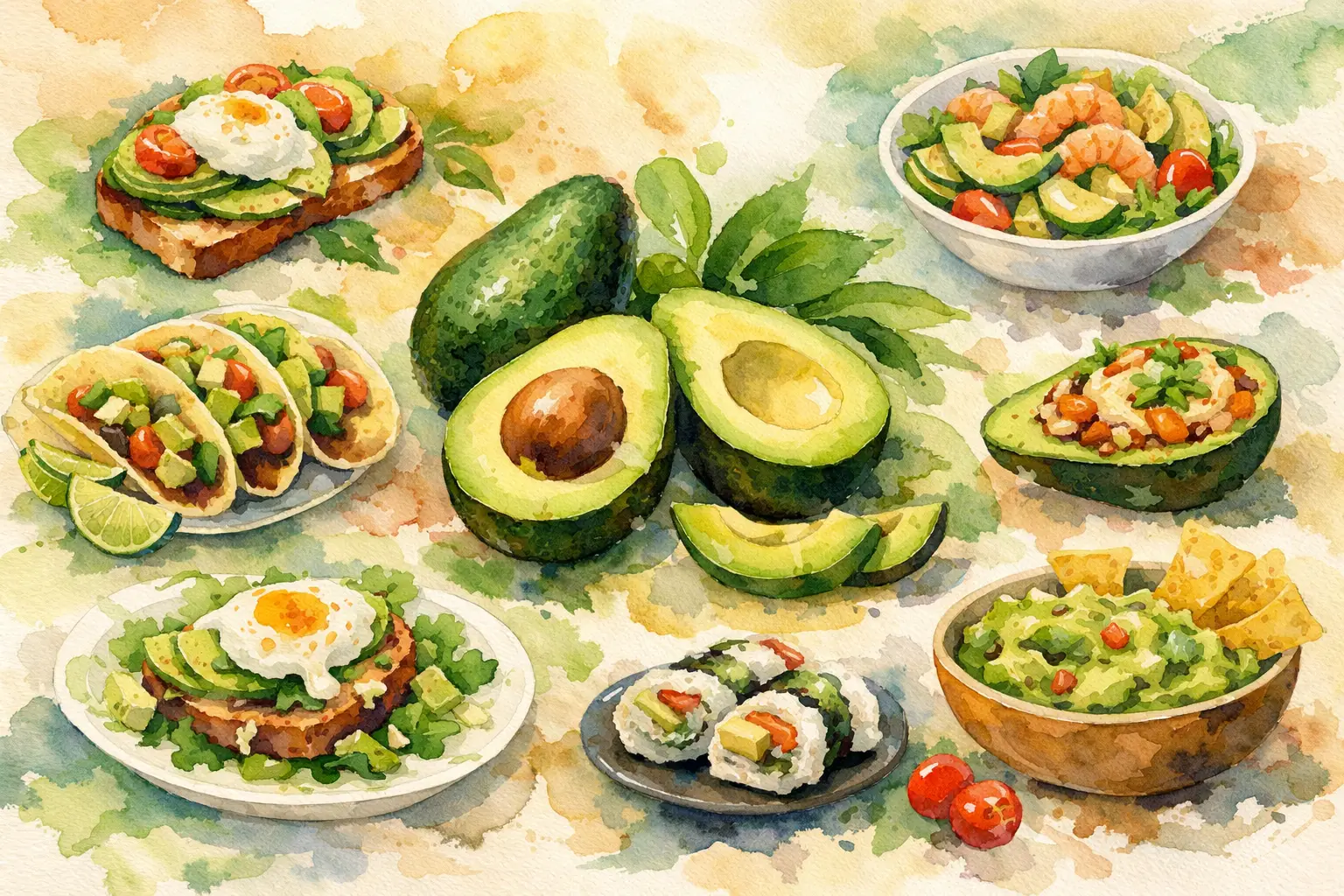
    Snack time can turn on you fast. One minute your child is hungry, the next they are melting down over a cracker that broke in half. That is exactly why the best avocado snacks for kids tend to be the ones parents come back to – they are quick, filling, soft enough for little eaters, and easy to build around ingredients you already trust.

    Avocados work especially well for family snacks because they bring more than just creaminess. They have healthy fats that help keep kids satisfied, a mild flavor that plays nicely with sweet or savory foods, and a texture that can be mashed, sliced, blended, or spread depending on your child’s age and preferences. If you are trying to feed your family with more whole foods and fewer ultra-processed options, avocado deserves a regular place on the counter.

    Why avocado makes such a smart kid snack

    Parents do not need another trendy ingredient. They need food that actually helps between meals. Avocado fits that job because it can carry a snack on its own or make a small snack more balanced.

    Pair avocado with fiber from fruit, protein from yogurt or eggs, or whole grains from toast and crackers, and you have something that feels substantial without becoming a full meal. That matters for kids who need steady energy after school, before practice, or during long afternoons at home.

    Texture is another reason avocado wins. Some kids love crunch, others prefer soft foods, and many go through phases where yesterday’s favorite suddenly becomes unacceptable. Avocado is flexible enough to meet them where they are. It can be silky in a smoothie, chunky on toast, or chilled in a pudding. If your child is texture-sensitive, that versatility is not a small thing.

    Best avocado snacks for kids by age and appetite

    There is no single perfect avocado snack because kids eat differently. A toddler may want finger food, while a school-age child may need something more filling. The best approach is to match the format to the moment.

    For toddlers and younger eaters

    Mashed avocado on soft toast fingers is hard to beat. It is easy to hold, naturally creamy, and simple to customize. A light sprinkle of hemp seeds or a thin layer of mashed white beans can add staying power if your child needs a little more substance.

    Avocado banana mash is another strong option. The banana brings sweetness, the avocado keeps it rich and smooth, and the result feels like a treat without relying on added sugar. For very young children, this can be served plain with a spoon. For older toddlers, you can spread it on mini rice cakes or soft pancakes.

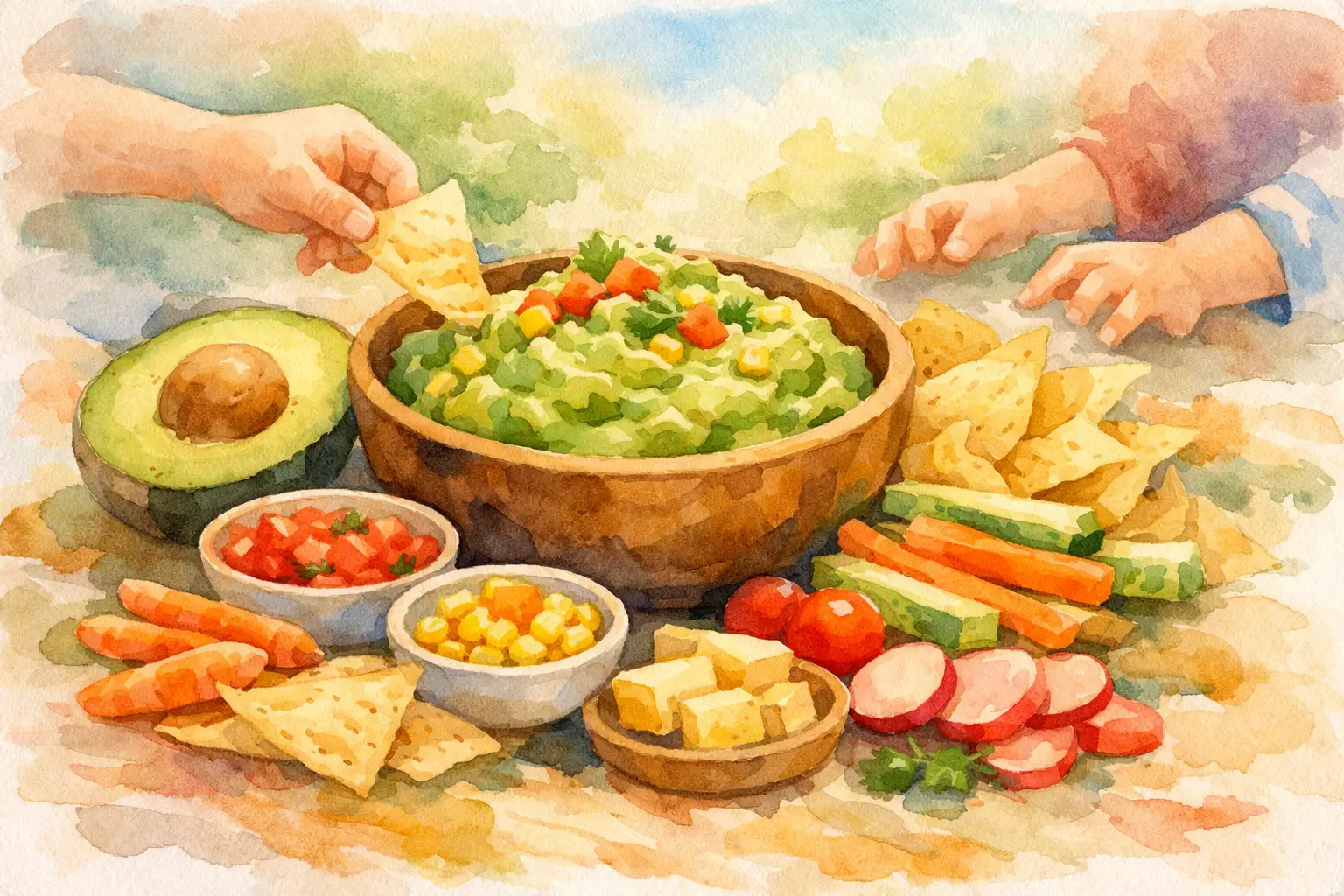
    If your child likes dipping, try avocado yogurt dip with cucumber sticks or soft cooked carrots. Blend avocado with plain whole milk yogurt and a small squeeze of lime if your child likes a little brightness. It is cool, mild, and easy to portion.

    For preschool and school-age kids

    Avocado quesadilla triangles are one of those snacks that feel bigger than the effort required. Spread mashed avocado inside a tortilla with a little shredded cheese, fold, and warm in a skillet until just crisp. Cut into small triangles and serve warm. It is especially useful when your child needs something more grounding than fruit alone.

    Mini avocado toast rounds also work well for this age. Use toasted whole grain bread cut into small shapes or rounds, then top with mashed avocado. From there, you can add thin slices of turkey, a sprinkle of everything seasoning, or even a few crushed black beans. Kids often respond better when the portion looks manageable.

    Frozen avocado smoothie pops are a solid choice in warm weather. Blend avocado with mango, banana, and milk of choice until smooth, then freeze in small molds. These feel fun, but they still deliver real nourishment. That balance matters when snacks start drifting toward dessert.

    For bigger appetites and after-school hunger

    Kids who come home truly hungry often need a snack with some staying power. Avocado egg salad on crackers does that well. Mash avocado with chopped hard-boiled egg and a pinch of salt, then spoon onto sturdy whole grain crackers. You get protein, fat, and a satisfying bite without making a full sandwich.

    Another dependable option is an avocado turkey roll-up. Spread avocado on a tortilla, layer in turkey and thin cucumber slices, roll it up, and slice into pinwheels. It travels well, works for lunch boxes, and gives kids something they can eat with their hands.

    If your child likes sweeter snacks, chocolate avocado pudding can be a smart occasional addition. When blended with cocoa powder, milk, and a little maple syrup or date paste, avocado creates a smooth pudding texture that feels indulgent but is still based in whole food ingredients. This one depends on your child’s taste. Some kids love it instantly, while others would rather keep avocado savory.

    Easy combinations that make avocado snacks better

    The best avocado snacks for kids usually come down to pairing. Avocado brings richness, but on its own it is not always enough for every child or every time of day.

    When you want longer-lasting energy, pair avocado with protein. Eggs, turkey, cheese, cottage cheese, and Greek yogurt all work. When you want a lighter snack, pair it with produce like berries, apples, cucumbers, or cherry tomatoes. When your goal is a more filling option before sports or activities, combine avocado with whole grains such as toast, tortillas, oats, or crackers.

    This is where a little flexibility helps. If your child does not like avocado plain, they may still enjoy it blended into a smoothie or spread thinly under another favorite food. If they love it, keep it simple. A sliced avocado with a pinch of salt and a side of fruit can be enough.

    A few kid-friendly avocado snack ideas worth repeating

    Some snacks earn a permanent place in the family routine because they are easy, reliable, and liked by more than one person at the table. These are the ones many parents end up making again and again:

    • Avocado toast fingers with a side of strawberries
    • Banana avocado smoothie in a straw cup
    • Avocado quesadilla triangles
    • Guacamole with baked tortilla strips
    • Avocado egg salad crackers
    • Turkey and avocado pinwheels
    • Avocado yogurt dip with veggies
    • Chocolate avocado pudding
    • Frozen avocado mango pops
    • Mini avocado cucumber sandwiches
    • Mashed avocado on rice cakes

    What makes these work is not novelty. It is the fact that they can be adjusted easily. You can make them softer, crunchier, simpler, or more filling based on the child in front of you.

    How to serve avocado without wasting half of it

    Every parent knows the frustration of cutting into a beautiful avocado only to use a few slices before snack time is over. A little planning helps.

    If you are serving avocado to one child, start with half and leave the pit in the other half. Press plastic wrap directly against the surface or store it in a small airtight container with a little lemon or lime juice. Browning is mostly cosmetic, but fresher-looking avocado tends to go over better with kids.

    It also helps to think in stages. Use fresh slices at breakfast, mash the rest for an afternoon snack, then blend any leftovers into a smoothie the next morning. From Grove to Table sounds like a big promise, but in real family life it often comes down to using good ingredients well and not letting them go to waste.

    What to watch for with picky eaters

    Avocado is mild, but picky eaters can still resist it for reasons that have nothing to do with flavor. Sometimes it is the green color. Sometimes it is the softness. Sometimes it is simply the fact that a child is being a child.

    In those moments, pressure usually backfires. A better move is to offer avocado in a familiar format. Spread a thin layer under cheese on toast. Blend it into a fruit smoothie. Mash it with banana. Let your child dip crackers into guacamole instead of asking them to eat avocado slices outright.

    It also helps to avoid making avocado carry the whole snack. Pair it with at least one accepted food so the plate feels safe. Repeated, low-pressure exposure often works better than trying to win the battle in one afternoon.

    Freshness changes everything

    Not all avocados eat the same, and parents notice. A perfectly ripe avocado is buttery, mild, and easy to turn into a child-friendly snack. One that is underripe can be firm and disappointing. One that is overripe can lose kids immediately.

    That is one reason families value avocados that are grown with care and handled for flavor, not just shelf life. When the fruit is right, snack prep gets easier and kids are more likely to eat what you make. Holmes Grown USA was built around that simple idea – better avocados make healthy family eating feel more doable.

    Healthy snacks do not need to be complicated to count. If an avocado helps you get real food into a hungry child with less stress and more confidence, that is a win worth keeping in your routine.

  • How to Ship Fresh Avocados the Right Way

    How to Ship Fresh Avocados the Right Way

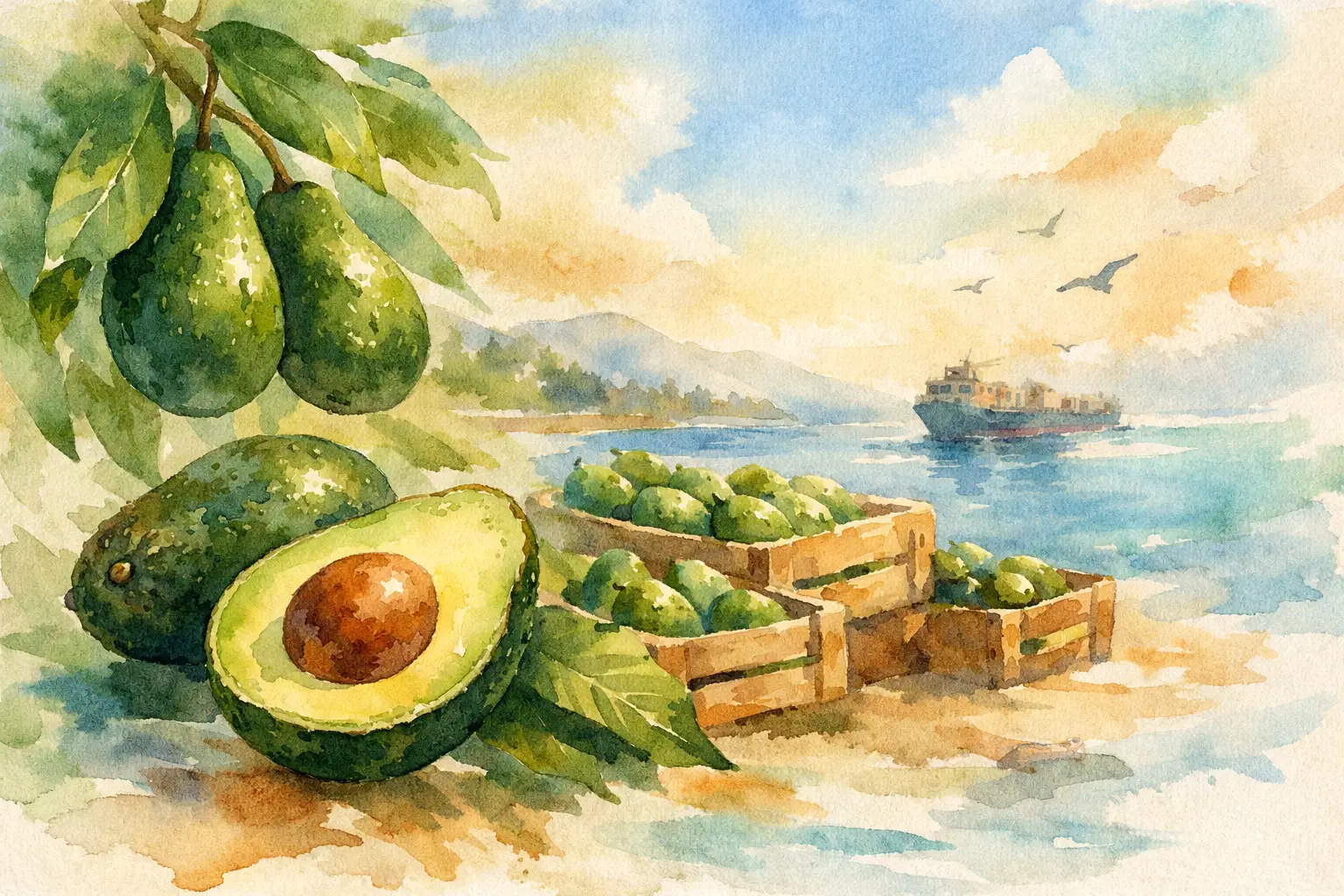
    A beautiful avocado can go from grove-fresh to bruised and overripe faster than most people expect. If you are figuring out how to ship fresh avocados, the real job is not just getting them into a box. It is protecting flavor, texture, and ripeness so they arrive ready for the kitchen, not the compost bin.

    For families who care where their food comes from, shipping matters almost as much as growing. A premium avocado should still feel like a premium avocado when it reaches the doorstep. That takes thoughtful timing, careful packing, and a little restraint. The biggest mistake is trying to rush the fruit before it is ready.

    How to ship fresh avocados without ruining them

    Fresh avocados are climacteric fruit, which means they continue ripening after harvest. That is good news for shipping, but only if you send them at the right stage. Ship them too soft and they may arrive bruised, warm, and ready to spoil. Ship them too hard without any planning, and your customer may be left waiting longer than expected for usable fruit.

    The sweet spot is mature but still firm avocados. They should be fully grown and harvested at the proper maturity level, but not yet ripe to the touch. Firm fruit travels better because it can handle normal movement in transit and finish ripening at home. This is one of the main reasons farm-direct shipping can work so well when it is done carefully. The fruit is picked with the journey in mind.

    Timing also changes with the season. In warmer months, avocados can ripen faster during transport, even inside a well-packed box. In cooler weather, transit is generally more forgiving, though very cold conditions create their own problems. There is no one-size-fits-all rule here. How to ship fresh avocados depends partly on the fruit and partly on the forecast.

    Start with the right avocados

    The best shipping plan cannot save poor fruit. Before packing, inspect each avocado for cuts, soft spots, skin breaks, or signs of internal damage. A tiny bruise can become a big problem after a few days in a box.

    Size matters too. Very large avocados can be more prone to pressure damage if the box is packed tightly, while smaller fruit can shift too much if there is extra space. A consistent pack tends to travel better than a mixed assortment because the fruit supports itself more evenly.

    It also helps to avoid washing the fruit right before packing unless it is truly necessary and fully dried. Excess surface moisture can encourage mold and create a poor shipping environment. Clean, dry, firm fruit gives you the best chance at a good arrival.

    Packing matters more than people think

    If you want avocados to arrive in good condition, the box needs to do more than contain them. It needs to limit movement, reduce pressure points, and protect the fruit from sudden temperature swings.

    A sturdy corrugated box is the usual starting point. Inside the box, each avocado should have some kind of cushion. That might be molded inserts, paper padding, or another food-safe protective material that keeps fruit from knocking into fruit. The goal is simple. The avocados should not rattle when the box is moved.

    Overpacking creates one set of problems, and underpacking creates another. If the fruit is pressed too tightly together, you increase the chance of bruising. If there is too much empty space, the avocados roll around and get damaged anyway. Good packing feels secure but not compressed.

    Ventilation also matters. Avocados are living produce, and they release ethylene as they ripen. A completely sealed environment can trap heat and speed up ripening in uneven ways. Boxes designed for produce shipping usually perform better than generic mailers because they balance protection with airflow.

    Temperature can make or break the shipment

    Temperature is one of the biggest variables in avocado shipping. Heat speeds ripening. Excessive cold can damage the fruit and leave you with poor texture, dark flesh, or off flavors. That is why the best shipping approach is usually moderate and controlled, not extreme.

    For most direct-to-consumer shipments, avocados are best sent firm and kept out of very hot conditions. During high-heat stretches, insulated packaging or faster transit may be worth the extra cost. During cold snaps, some protection against chill injury matters just as much.

    This is where trade-offs come in. Adding cold packs might sound smart, but if they are too cold or sit directly against the fruit, they can do harm. On the other hand, skipping temperature protection in summer can leave fruit soft before it even reaches the porch. The right choice depends on distance, weather, and the ripeness stage at pack-out.

    For many farm shippers, avoiding weekend delays is just as important as the packaging itself. Fruit sitting in a warehouse or truck for an extra two days is far more likely to arrive in poor shape. Shipping early in the week helps prevent that.

    Choosing the best transit speed

    Not every avocado shipment needs overnight service, but not every shipment should go ground either. The ideal transit speed depends on how far the fruit is traveling and how firm it is when packed.

    For nearby zones, a one- to two-day window is often enough. For longer distances, faster service can protect quality, especially in warm weather. Paying for speed is not just about convenience. It can be the difference between fruit that ripens beautifully on the counter and fruit that arrives with hidden pressure damage.

    That said, faster is not automatically better if the fruit was packed too ripe. Shipping strategy starts with harvest decisions, then packaging, then carrier speed. If those first two steps are off, premium shipping alone will not fix the problem.

    How to ship fresh avocados to customers at home

    Shipping to homes adds one more challenge. You are not sending fruit to a warehouse or store with trained receivers. You are sending it to a front porch, a mailbox area, or a family that may not open the box right away.

    That means communication matters. Customers should know what stage the fruit is arriving in and what to do next. If the avocados are still firm, say so clearly. If they should be moved out of the box and left on the counter, explain that. If refrigeration should wait until the fruit reaches ideal ripeness, include that too.

    Simple instructions can prevent a lot of disappointment. Many people think firm avocados are unripe in a bad way, when in reality that firmness is exactly what protects freshness during delivery. When buyers understand the process, they are more likely to have a good eating experience.

    A short note in the box can go a long way. For a family farm brand, this is also a chance to reinforce trust. From Grove to Table is not just a nice phrase. It should feel true when the customer opens the package and sees carefully handled fruit that was packed with intention.

    Common mistakes that ruin shipped avocados

    Most avocado shipping problems come back to a handful of avoidable issues. Packing ripe fruit is a common one. So is using weak boxes that collapse under weight or pressure. Another frequent mistake is shipping late in the week and letting the fruit sit through the weekend.

    There is also a tendency to overcomplicate the process. Too much insulation, too many ice packs, or too many layers can create as many issues as they solve. Avocados need protection, but they also need room to breathe and ripen naturally.

    Then there is the sourcing problem. Fruit that has already spent too much time in storage before shipping has less life left in it. That is one reason farm-direct produce can stand apart. The closer the shipment is to harvest, the better your odds of preserving taste and texture all the way to the table.

    Why good avocado shipping reflects good farming

    People often talk about shipping as if it is separate from growing, but the two are connected. A grower who cares about quality at harvest usually cares about quality in transit too. Care shows up in the details – when the fruit is picked, how it is sorted, how it is packed, and whether the customer receives honest guidance about ripening.

    At Holmes Grown USA, that mindset is part of what family farming means. You are not just moving inventory. You are sending food to someone’s home, someone’s dinner table, someone’s family. That should shape every decision from the grove to the box.

    If you want to ship avocados well, think less like a shipper and more like a host. You are preparing something good for someone else to enjoy. When the fruit is picked at the right stage, packed with care, and sent with smart timing, it arrives the way it should – firm, fresh, and full of promise for the meals ahead.

    The best avocado shipment does not feel lucky. It feels considered, and that is what people remember when they come back for another box.

  • How to Order Seasonal Avocados Right

    How to Order Seasonal Avocados Right

    A lot of avocado disappointment starts before the box ever arrives. You place an order too late in the season, buy more than your household can use, or expect every piece of fruit to be ready the day it lands on your doorstep. If you have been wondering how to order seasonal avocados in a way that actually works for your family, the answer is part timing, part planning, and part knowing your source.

    When avocados are grown and shipped with the season instead of forced into a year-round grocery routine, the experience is different. Flavor is fuller. Texture is better. Ripening feels more predictable. And when your fruit comes directly from a farm rather than sitting in a long chain of warehouses and store displays, you can taste that difference at the table.

    Why seasonal ordering matters

    Seasonal avocados are not just a marketing phrase. They reflect how the fruit naturally develops on the tree and when it is at its best for harvest. That matters because avocados do not improve from being handled over and over again. The longer the trip, the more variables get introduced – temperature shifts, rough transport, early picking, and uneven ripening.

    Ordering in season gives you a better chance at fruit that was harvested with care and shipped with freshness still on its side. For families who plan meals around whole foods, that can mean fewer wasted avocados, better lunches and dinners, and a more reliable staple in the kitchen.

    There is also a values piece here. Buying seasonally supports a more natural growing rhythm and often connects you more directly to the people raising your food. For many households, that matters just as much as taste. You are not only buying produce. You are choosing a food system that feels more transparent and more personal.

    How to order seasonal avocados without guesswork

    The easiest way to order well is to think beyond the click. A smart avocado order starts with three questions: Is the fruit in season now, how quickly will my household eat it, and what ripeness window do I actually need?

    First, pay attention to seasonality. If a farm opens ordering windows at certain times of year, that is usually a good sign. It means the fruit is being sold according to harvest timing rather than forced into an artificial schedule. Seasonal ordering windows may feel less convenient than grabbing avocados any day of the year, but they often lead to a better eating experience.

    Second, order for your real week, not your ideal week. Many people picture avocado toast every morning, salads at lunch, and guacamole on taco night, then realize life got busy by Wednesday. If your household usually uses four to six avocados in a week, do not order a large box unless you already have a plan for sharing, storing, or meal prepping.

    Third, understand that avocados usually arrive firm. That is a good thing. Firm fruit gives you flexibility. You can let some ripen on the counter and slow the rest in the refrigerator once they reach the stage you like. If you expect every avocado to be ready the same day it arrives, you will almost always feel frustrated.

    What to look for before you place an order

    Not all online avocado orders are the same. Before buying, look at how the farm or seller talks about harvest, shipping, and quality. Clear information matters.

    A trustworthy source should explain when orders open, how fruit is packed, and what customers can expect on arrival. If the language is vague and everything sounds available all the time, that can be a sign the fruit is moving through a broader supply system rather than coming directly from a seasonal harvest.

    It also helps to look for a brand that treats avocados as food for real family life, not just as a trendy product. The best farm-to-table experiences are built around flavor, freshness, nutrition, and practical use in the kitchen. That includes guidance on ripening and storage, because great fruit still needs a little help getting to the perfect moment.

    If the source shares its farming story, that can add confidence too. Families who grow food for other families tend to understand what customers care about most: consistent quality, honest timing, and produce that tastes like it was worth waiting for.

    Choosing the right quantity for your household

    This is where many otherwise good orders go wrong. Too few avocados and you run out just as they start ripening beautifully. Too many and you are racing the clock.

    For a couple who uses avocados a few times a week, a smaller order often makes the most sense. For a larger household, or a family that packs lunches and cooks at home most nights, a larger seasonal order can be a great value. It depends on your routine.

    Try thinking in meals, not pieces of fruit. Two avocados might cover a taco night and one weekend brunch. Six to eight might support a full week of sandwiches, grain bowls, salads, and snacks. If you love to cook but travel often or eat out several nights a week, order more conservatively.

    There is no prize for buying the biggest box. The best order is the one your household can enjoy at its peak.

    Timing your order around ripeness

    If you want to know how to order seasonal avocados more confidently, learn the rhythm of ripening. Avocados are one of those foods that reward a little patience.

    Most farm-shipped avocados arrive firm and need several days on the counter to soften. Warmer kitchens speed that up. Cooler homes slow it down. Once an avocado yields gently to pressure, you can move it to the refrigerator to hold that stage a bit longer.

    That means timing matters. If you are ordering for a party this weekend, do not wait until the last possible minute. If you are ordering for general household use, firm fruit is exactly what you want because it spreads your use over several days.

    A good approach is to plan for layers. Let a few ripen immediately, then hold the others back. Some families even separate their avocados into two bowls in different parts of the kitchen, using the warmer spot to encourage earlier ripening and the cooler spot to slow things down.

    Seasonal avocados and meal planning

    One reason families love ordering avocados directly is that they become easier to build into everyday meals. When the fruit is fresh and reliable, you stop treating it like a gamble.

    Avocados can carry breakfast, lunch, and dinner without much effort. They work in toast, eggs, wraps, salads, rice bowls, burgers, and simple snack plates. They also help families eat in a way that feels both satisfying and wholesome, which matters when you are feeding kids, juggling work, and trying to keep real food on the table.

    This is also where seasonal buying can save money in a less obvious way. Better fruit gets used. Poor fruit gets tossed. If you have ever cut into grocery store avocados only to find bruising, strings, or uneven texture, you already know that bargain pricing is not always a bargain.

    A few trade-offs to keep in mind

    Seasonal ordering is better in many ways, but it does ask something from the customer. You may need to watch for open ordering windows. You may need to plan ahead instead of buying on impulse. And you may need to learn your household’s ripening pattern over a couple of orders.

    That trade-off is worth it for many people because the payoff is freshness, flavor, and a closer connection to the source of their food. But it is still fair to say that seasonal shopping works best for households willing to be a little intentional.

    That is part of the beauty of it too. Food tastes different when it is chosen with care.

    For families who want avocados with a true from-grove-to-table feel, ordering from a seasonal American farm such as Holmes Grown USA can make that experience feel a lot more personal and dependable.

    The best way to get started

    If you are new to ordering seasonal avocados, start simple. Choose a quantity that matches one normal week in your kitchen. Read the harvest and shipping details carefully. Expect firm fruit, then let ripeness unfold naturally at home.

    Once you do that, you will start to notice the difference between buying avocados as a random grocery item and choosing them as fresh, seasonal food. That shift may sound small, but it changes how your meals come together and how confident you feel serving your family.

    Good avocados are not just about softness. They are about timing, care, and knowing where your food came from. Order with that in mind, and your next box has a much better chance of becoming the kind of food your family looks forward to opening.

  • When Are California Avocados Harvested?

    When Are California Avocados Harvested?

    If you have ever sliced into a California avocado and noticed that rich, buttery texture tastes especially good at certain times of year, that is not your imagination. When are California avocados harvested? In most cases, the main harvest season runs from roughly spring through summer, though exact timing depends on the variety, the weather, and how the fruit develops in the grove.

    For families who care where their food comes from, that timing matters. Harvest season shapes flavor, oil content, texture, and even how well an avocado ripens on your counter. It is one reason farm-fresh fruit feels different from produce that has spent too much time moving through a long supply chain.

    When are California avocados harvested during the year?

    California avocados are not harvested on one single date. The season usually begins in late winter or early spring and can continue into early fall, with the heart of the harvest happening from about April through August. That broader window exists because different avocado varieties mature at different times, and growers pick fruit when it has reached legal and quality maturity standards.

    Hass avocados, the best-known California variety, typically make up the largest share of the crop. They are often harvested from spring into summer, although some groves may begin earlier or continue later depending on the region and the year. Other varieties can stretch the calendar in either direction.

    That means the answer to when are California avocados harvested is not just about the month. It is also about which avocado you are buying and what kind of growing season California had that year.

    Why harvest timing changes from grove to grove

    Avocados are unusual compared with many fruits because they do not soften on the tree. They mature on the tree, but they ripen after picking. Growers have to judge the right moment to harvest based on maturity, size, oil content, and market timing, while also protecting the eating quality customers expect.

    Weather has a major role here. A cooler season can slow maturity. A warmer stretch can move things along. Rain, heat, and even wind can affect fruit size and grove conditions. Two farms in the same county may still harvest at slightly different times because of elevation, sun exposure, irrigation practices, and the age of the trees.

    That is why seasonal produce always comes with some variation. Nature does not follow a retail calendar with perfect neatness, and that is part of what makes farm-grown food real.

    The role of avocado variety

    Hass is the variety most Americans know best, but it is not the only California avocado. Some varieties mature earlier, and others later. Bacon avocados, for example, are generally associated with a fall and winter season. Fuerte can also appear earlier than Hass in some growing areas.

    For shoppers, this means California avocado season can feel longer than expected. You may see different sizes, skin textures, and flavor profiles depending on what the grove is picking at that moment. Hass usually delivers the pebbly skin and creamy interior many people love, while green-skin varieties may look different even when they are ready to enjoy.

    The role of maturity and oil content

    A picked avocado should have enough maturity to ripen properly. One of the key markers is oil content, which rises as the fruit develops on the tree. Higher oil content is closely tied to the creamy texture and fuller flavor people expect from a premium avocado.

    This is one reason early-season and peak-season fruit can taste a little different. Early fruit may be perfectly good, but as the season develops, flavor often deepens and texture becomes richer. That change is subtle but noticeable, especially if you eat avocados often.

    What harvest season means for flavor at home

    People sometimes assume an avocado is an avocado, no matter when it is picked. In reality, harvest timing can influence what lands on your cutting board. Fruit picked in its proper season and handled carefully tends to deliver better consistency, better ripening, and a more satisfying eating experience.

    When avocados come straight from a working family farm, they often spend less time sitting in storage before reaching your kitchen. That can make a real difference. You are not just buying produce. You are buying timing, freshness, and confidence that the fruit was picked with quality in mind.

    For home cooks, this shows up in simple ways. Guacamole tastes cleaner and richer. Avocado toast holds that smooth, velvety texture. Sliced avocado on salads or grain bowls feels substantial instead of watery or stringy. Small differences in harvest and handling add up.

    How to tell if California avocados are in season

    If you want the best chance of enjoying California fruit at its peak, pay attention to the time of year and the source. Spring and summer are usually the strongest clues, especially for Hass avocados grown in California. If you are buying directly from a farm, seasonal ordering windows are often the clearest signal that harvest is actively underway.

    Country of origin can also matter if you are looking specifically for domestic fruit. California-grown avocados have a natural season, and many shoppers appreciate knowing they are supporting American agriculture while getting fruit that has not traveled as far.

    There is a trade-off, of course. Imported avocados help keep avocados available year-round in stores, which many households appreciate. But if your priority is peak seasonal freshness, shorter transit time, and produce grown by American farming families, California season is worth watching.

    When are California avocados harvested for direct shipping?

    For farms that ship direct to consumers, harvest is often tied closely to order windows. Fruit may be picked based on current maturity, expected transit time, and how the avocados are meant to ripen once they arrive. That is different from the logic of large distribution systems, where produce may pass through multiple stages before it reaches a shopper.

    This direct model can be especially helpful for families who want reliable ripening at home. A well-timed harvest means your avocados arrive mature enough to ripen well, but still firm enough to travel safely. That balance is part science, part experience, and part knowing the grove tree by tree.

    At Holmes Grown USA, that seasonal rhythm is part of the promise. From Grove to Table only means something if the fruit is harvested at the right time and handled with care every step after.

    What to expect after harvest

    Once an avocado is picked, the clock changes. The fruit begins its post-harvest journey toward ripeness. A firm avocado usually needs several days at room temperature to soften. Warmer kitchens speed the process, while cooler temperatures slow it down.

    This can confuse shoppers who expect tree-ripe to mean ready-to-eat right away. With avocados, tree-mature and ready-to-eat are different things. The best fruit is often harvested at the right maturity point, then allowed to finish ripening in your home so you can use it when it fits your meals.

    If you need to slow things down, refrigeration helps once the avocado has softened to your liking. If you need to speed things up, placing it in a paper bag can help concentrate the natural ethylene gas that encourages ripening.

    Why seasonality still matters

    Modern grocery shopping has trained many people to expect everything all the time. But seasonality still matters, especially with produce where texture and flavor are a big part of the experience. Knowing when California avocados are harvested helps you make a more informed choice about quality, freshness, and source.

    It also reconnects food with the land and the families who grow it. Avocados are not made on demand. They are nurtured through weather shifts, irrigation schedules, pruning, bloom cycles, and patient observation. Harvest is the moment all of that work shows up on your plate.

    For families trying to eat well, that is worth paying attention to. The best produce does more than check a nutrition box. It brings people to the table, makes everyday meals feel better, and reminds us that good food starts long before the kitchen.

    So if you are wondering when to look for California avocados at their best, think spring into summer, with some variation around the edges. Then trust the season, trust your source, and enjoy the kind of freshness that only comes from fruit picked with care.

  • Seasonal Avocado Buying Guide for Families

    Seasonal Avocado Buying Guide for Families

    You can tell a lot about an avocado before you ever cut it open. The weight in your hand, the slight give near the stem, even the time of year all shape whether that fruit becomes a creamy centerpiece for dinner or a disappointing waste on the counter. A good seasonal avocado buying guide helps families buy with more confidence, because better timing often means better flavor, better texture, and less guesswork.

    For home cooks and grocery buyers, seasonality matters more than many people realize. Avocados are available year-round in the US, but they do not all eat the same in every season or from every source. Weather, harvest timing, shipping distance, and how long fruit sits in storage all affect what lands in your kitchen. If your goal is simple – feed your family well and enjoy produce that tastes the way it should – it helps to know what to look for and when to buy.

    Why a seasonal avocado buying guide actually matters

    Most shoppers are used to thinking about avocados as a staple, not a seasonal fruit. They are on menus, in grocery displays, and on shopping lists every month of the year. But steady availability can hide a big difference in eating quality.

    When avocados are harvested closer to their natural peak and spend less time moving through long supply chains, they often deliver richer flavor and a more reliable texture. That means fewer stringy interiors, fewer watery bites, and fewer frustrating moments where the outside seems ready but the inside is still hard. Seasonality is not just a farming concept. It is a buying advantage.

    For families trying to stretch a grocery budget, that matters too. Paying for premium produce should feel worth it. Understanding the season helps you make smarter choices instead of hoping every avocado in the bin will behave the same way.

    What avocado season looks like in the US

    A practical seasonal avocado buying guide starts with one simple truth: avocado timing depends on variety and growing region. In the US, California is a major source of domestic avocados, and its season generally runs from spring into summer, with some variation depending on the year and the farm.

    That timing is worth knowing because many shoppers prefer fruit grown closer to home when it is available. Domestic avocados can offer an advantage in freshness, especially when they are shipped directly after harvest rather than spending extended time in transit or storage. If supporting American agriculture matters to your household, season is also the window when that choice becomes easier.

    Imported avocados help fill shelves throughout the rest of the year, and there is nothing inherently wrong with that. The trade-off is consistency. Depending on source, timing, and handling, quality can vary more than shoppers expect. That is why it helps to think beyond whether avocados are available and ask whether they are in their stronger season.

    Spring and summer tend to be the sweet spot

    For many avocado lovers, spring and summer are the most rewarding months to buy California-grown fruit. This is often when flavor is fuller, texture is creamier, and supply from domestic groves is strongest. If you have ever had an avocado that tasted especially rich and buttery, there is a good chance harvest timing played a role.

    That does not mean every avocado outside these months will disappoint. It means your odds improve when fruit aligns with its natural season. As with tomatoes or peaches, timing can elevate the eating experience.

    How to choose avocados based on when you plan to use them

    One of the biggest buying mistakes is shopping for avocados without a plan for the next few days. Ripeness should match your meals.

    If you need avocados for tonight, look for fruit that yields gently when pressed in the palm of your hand. It should not feel mushy or collapse under pressure. Gentle give is the goal. Avoid poking with fingertips, which can bruise the flesh and make a good avocado go downhill faster.

    If you are shopping ahead for tacos on Tuesday or sandwiches later in the week, choose firmer fruit and let it ripen at home. This is often the better approach for families, because it gives you more control. A slightly firmer avocado can catch up on your counter. An overripe avocado rarely recovers.

    Check the stem end, but do it carefully

    A quick look under the small stem cap can tell you a lot. If it comes off easily and you see green underneath, that usually signals good ripeness. If it is brown, the fruit may be overripe. If the cap will not budge, the avocado likely needs more time.

    This trick is useful, but it is not perfect. A beautiful stem end does not guarantee a flawless interior. Think of it as one clue among several, not the whole story.

    Signs of quality beyond color

    Many shoppers rely too heavily on skin color, but avocado varieties do not all behave the same way. Some darken as they ripen. Others stay greener. That is why feel, weight, and condition are more dependable than color alone.

    A good avocado should feel heavy for its size, which often points to better moisture content and a healthier interior. The skin should be free of deep cuts, large soft spots, or shriveled areas. Minor surface marks are usually harmless, but a fruit that already feels damaged will not improve in your fruit bowl.

    It also helps to buy with purpose. For guacamole, a few avocados at slightly different ripeness stages can work well if you are serving over a couple of days. For slicing onto salads or toast, more even ripeness makes prep simpler and presentation better.

    Why source matters as much as season

    A seasonal avocado buying guide would be incomplete without talking about where fruit comes from. Season tells you when avocados may be at their best. Source helps explain why one avocado tastes fresher than another.

    Fruit that travels a shorter distance often arrives with more life left in it. That can mean better ripening at home and a narrower gap between perfect and overripe. For shoppers who care about freshness, domestic farm-direct fruit offers a real advantage when it is in season.

    There is also the matter of trust. Knowing who grew your food changes the buying experience. It turns an avocado from a commodity into something more personal – part of a family farm, a growing region, and a standard of care you can feel once you cut into it. That is one reason so many families look for seasonal opportunities to buy directly from growers such as Holmes Grown USA.

    How to handle avocados once you get home

    Buying well is only half the equation. Storage can protect your investment or shorten its window fast.

    Leave firm avocados on the counter at room temperature until they begin to soften. Once ripe, move them to the refrigerator if you are not using them right away. That can buy you a little extra time, often a couple of days, though flavor is always best when the fruit is enjoyed close to peak ripeness.

    If you need to speed things up, placing avocados in a paper bag can help trap natural ethylene and encourage ripening. If you need to slow things down, cool storage is your friend. It depends on your meal plan, which is why buying with intention matters so much.

    Don’t buy your whole week the same way

    This is where seasonality and practicality meet. A smart household avocado strategy is to buy a mix – some ready soon, some ready later. That approach reduces waste and gives you flexibility for busy weeknights, lunches, and weekend meals.

    It is a small habit, but it makes avocado buying feel less like chance and more like planning.

    The best time to pay for premium avocados

    Not every meal requires the very best fruit money can buy. If you are blending avocado into a dressing or mashing it with bold ingredients, slight variation may not matter much. But when avocados are front and center – sliced over eggs, served with grilled chicken, layered onto sandwiches, or enjoyed with a little sea salt and lemon – quality becomes obvious.

    That is when season is worth paying attention to. Peak-season avocados tend to reward simplicity. They do not need much help. They are rich, clean-tasting, and satisfying on their own.

    For families focused on health, this is part of the value. When whole foods taste better, it is easier to build meals around them. Good avocados support quick breakfasts, better lunches, and simple dinners that feel nourishing without much effort.

    A better way to shop for avocados year-round

    The best shoppers are not just checking ripeness. They are reading the season, understanding the source, and matching purchases to real life at home. That is what separates random buying from confident buying.

    If avocados are part of your family’s routine, let the season guide you. Look for domestic fruit when it is naturally available, choose ripeness based on when you will eat it, and remember that freshness starts long before the avocado reaches your cutting board. From Grove to Table, quality is not an accident. It begins with timing, care, and knowing what a good avocado should feel like in your hand.

  • How to Keep Avocados Green Longer

    How to Keep Avocados Green Longer

    You slice open a beautiful avocado for lunch, use half, and come back a few hours later to find that familiar brown layer staring back at you. If you have ever wondered how to keep avocados green without changing their creamy texture or fresh flavor, the good news is that a few simple habits make a real difference.

    Browning can feel wasteful, especially when you care about feeding your family well and making the most of good food. A great avocado is too valuable to lose to the air on your kitchen counter. The key is understanding what actually causes discoloration, then choosing the storage method that fits how soon you plan to eat it.

    How to keep avocados green starts with the cut surface

    When an avocado is cut, the flesh is exposed to oxygen. That contact triggers oxidation, which is what turns the surface from bright green to brown. It does not usually mean the avocado has gone bad right away, but it can affect flavor, texture, and appetite appeal.

    The best way to slow that process is to limit air exposure as much as possible. That sounds obvious, but it matters more than adding trendy tricks or overcomplicating storage. The less oxygen touching the avocado, the better your chances of keeping that just-cut color.

    If you are only saving half an avocado, leave the pit in the unused half if you can. The pit only protects the part it covers, so it is not a complete solution, but it does reduce exposure in the center. More importantly, keep the flesh tightly covered.

    The best ways to keep cut avocados green

    For most home kitchens, the most reliable method is plastic wrap pressed directly against the avocado flesh. Do not just cover the bowl or loosely wrap the fruit. Press the wrap so it touches the entire cut surface. That direct contact helps block oxygen, which is exactly what you want.

    After wrapping, store the avocado in the refrigerator. Cold temperatures do not stop oxidation completely, but they slow it down. If you know you will use the avocado within a day, this method is usually the safest balance of convenience and results.

    An airtight container also works well, especially if you want less plastic in your kitchen routine. Put the avocado cut-side down if the container is flat and clean, or use a snug container that leaves very little extra space around the fruit. Less open air in the container generally means less browning.

    A light coating of lemon or lime juice can help too. The acid slows oxidation and adds another layer of protection. This is a good option for avocados headed into guacamole, tacos, or salads where a hint of citrus fits naturally. If you are saving avocado for toast or a milder recipe, use a light hand, since too much juice can change the flavor.

    Olive oil is another useful option. Brush a thin layer over the cut surface before wrapping or refrigerating. It creates a barrier against air without adding much taste. Some people prefer this method over citrus when they want the avocado to stay closer to its natural flavor.

    How to keep avocados green in guacamole

    Guacamole is a little different because more of the avocado is exposed to air once it is mashed. That means storage matters even more. If you want to keep guacamole green, transfer it to a container and press it down so the top is smooth and flat. Then press plastic wrap directly onto the surface before sealing the container.

    This direct-contact step is what many people skip. If there is a pocket of air between the guacamole and the wrap, the top layer will still brown quickly. A tight seal against the surface helps preserve both color and freshness.

    Some cooks add a thin layer of water or citrus juice on top of the guacamole before covering it. This can work, but it depends on the recipe and your comfort level. Water can be poured off later, though it may slightly affect texture if left too long. Citrus juice can brighten the dip, but too much may throw off the balance. For most families, pressed plastic wrap is the simplest and most dependable method.

    If your guacamole does brown a little on top, do not panic. Often, you can scrape off the thin top layer and find fresh green guacamole underneath. It is not ideal, but it is better than throwing out the whole batch.

    What not to do if you want fresh-looking avocados

    Not every avocado tip is worth following. Onion slices in a container with avocado can help a little because of sulfur compounds, but they can also transfer odor and flavor. That may not matter in guacamole, but it is less appealing if you want clean avocado slices for breakfast or sandwiches.

    Leaving cut avocado at room temperature is another mistake. Even if you think you will eat it later that day, room temperature speeds both browning and spoilage. Refrigeration buys you time and protects quality.

    It is also easy to rely too heavily on the pit. Keeping the pit in place helps only where it physically covers the flesh. The rest of the exposed avocado still needs protection. Think of the pit as a small assist, not the full solution.

    Finally, avoid squeezing lemon or lime so heavily that the avocado turns sour. The goal is to preserve freshness, not mask the fruit itself. A good avocado should still taste like avocado.

    Picking and ripeness matter more than people think

    If you want to know how to keep avocados green, it helps to start before the knife ever comes out. A properly ripened avocado holds its texture better and tends to store more gracefully than one that is overripe and already on the edge.

    A ripe avocado should yield gently to pressure without feeling mushy. If it is too firm, let it ripen on the counter. Once it reaches that ready stage, move it to the refrigerator if you are not eating it right away. That simple shift can extend its usable life by a few days.

    Overripe avocados brown faster, feel stringy or watery, and can develop off flavors. No storage method can fully rescue fruit that has already passed its prime. Freshness going in matters. From Grove to Table, quality at the start makes every kitchen tip work better.

    The fridge, the freezer, and real-life timing

    The refrigerator is best for short-term storage. If you are saving half an avocado for tomorrow’s lunch or tonight’s salad, chill it well and protect the cut side. That is your everyday answer.

    The freezer is more of a backup plan. If you have extra avocado that you know you will not use soon, mash it with a little lemon or lime juice and freeze it in an airtight container or freezer-safe bag. The texture will soften after thawing, so it is better for smoothies, spreads, dressings, or guacamole than neat slices.

    That trade-off matters. Freezing can prevent waste, but it is not the best path if presentation matters. If you want perfect slices for burgers or grain bowls, refrigerated fresh avocado is still the better choice.

    A practical routine for busy family kitchens

    For most households, the easiest routine is this: cut only what you need, leave the pit in the unused half, brush the surface lightly with lemon juice or olive oil if it suits the meal, press wrap directly against the flesh, and refrigerate immediately. Use it within 24 hours for the best color and texture.

    If you are storing guacamole, smooth the top, press wrap onto the surface, seal the container, and chill it. Try to enjoy it within a day or two while the flavor is still bright.

    And if you end up with slight browning, remember that appearance and quality are not always the same thing. A thin brown layer can often be removed, and the avocado beneath may still be perfectly good. Growing Healthy Families also means using food wisely and not tossing it too quickly.

    A good avocado brings comfort, nourishment, and simple pleasure to the table. Treat it with a little care, and it will give you more of all three.

  • Farm Fresh Avocados vs Store Bought

    Farm Fresh Avocados vs Store Bought

    You can feel the difference before you even cut one open. When comparing farm fresh avocados vs store bought, the biggest gap is not just flavor. It is timing, handling, and how much life is still left in the fruit when it reaches your kitchen.

    That matters more than most people realize. An avocado is one of those foods that asks for a narrow sweet spot. Too firm, and it is hard and bland. Too soft, and dinner plans change fast. For families trying to keep healthy food on hand, that window can make the difference between a great meal and another wasted grocery item.

    Farm fresh avocados vs store bought: what changes on the way?

    An avocado does not become “store bought” because it is lower quality by definition. The real issue is the path it takes. Grocery store avocados often move through a long supply chain that may include harvesting, packing, transport, storage, distribution, shelf display, and then your own countertop at home. Every handoff adds time.

    Farm fresh avocados usually take a shorter route. When fruit is picked closer to when it is packed and shipped, there is less lag between harvest and use. That can show up in the eating experience right away. The texture is often creamier, the flavor fuller, and the ripening curve more predictable.

    For home cooks, predictability is a big deal. If you are planning avocado toast for breakfast, sliced avocado for lunch, and guacamole for taco night, you do not want three avocados at three completely different stages. A shorter journey tends to give you a better chance of using them as intended.

    Taste is where most people notice it first

    The average shopper does not need a formal tasting panel to notice when an avocado tastes fresh. Farm fresh fruit often has a richer, more buttery flavor with a cleaner finish. Store bought avocados can still be good, but they are more likely to be inconsistent from one piece of fruit to the next.

    That inconsistency comes from variables most families never see. Fruit may be harvested at different times, held under changing conditions, or sit longer than expected before purchase. Even if the outside looks fine, the inside may tell a different story.

    When avocados are fresh from the grove, there is usually more confidence in what you are cutting into. You are less likely to find stringiness, bruising, dull flavor, or that disappointing gray-brown patch near the stem. That kind of consistency matters when you are paying for premium produce and trying to serve food your family will actually eat.

    Ripeness can make or break the value

    A cheap avocado that ripens badly is not a bargain. It is just frustrating.

    This is one of the strongest arguments in the farm fresh avocados vs store bought conversation. Grocery store avocados are often handled in batches that prioritize transport and shelf life. That makes sense for mass distribution, but it does not always serve the customer at home. You may buy fruit that feels ready, only to cut it open and find dark spots, watery flesh, or uneven ripening.

    Farm fresh avocados tend to perform better because they have spent less time moving through the system. In many cases, they ripen more naturally and more evenly on your counter. That gives you better control. You can plan meals, stagger use, and avoid the all-too-common problem of every avocado becoming overripe at once.

    For busy households, reliable ripeness is not a luxury. It is part of making healthy eating practical.

    What about nutrition?

    Avocados are nutrient-dense either way. They are known for healthy fats, fiber, and a range of vitamins and minerals that support a balanced diet. So this is not a case where store bought avocados suddenly lose all their goodness.

    Still, freshness plays a role in overall food quality. The sooner produce gets from harvest to table, the less chance there is for decline in texture, taste, and visual appeal. And while the nutritional gap may not always be dramatic on paper, the real-world difference is often this: people are more likely to eat fresh food when it tastes better.

    That matters for families trying to make smart choices. A better avocado is more likely to end up sliced into a salad, mashed onto toast, blended into a smoothie, or served alongside eggs instead of being left in the fruit bowl one day too long.

    Good nutrition is not just about what a food contains. It is also about whether your household enjoys it enough to keep reaching for it.

    Shelf life is not as simple as it seems

    Some shoppers assume store bought avocados last longer because they have already been through a tightly managed distribution process. Sometimes that is true in the sense that they may arrive very firm. But firmness is not the same as useful shelf life.

    If a fruit has already spent significant time in transit and storage, part of its life has already been used up before you buy it. That can lead to a shorter workable window at home, even if the avocado still feels hard when you first bring it in.

    Farm fresh avocados often give you a better quality window. Once they begin to ripen, they tend to move more cleanly from firm to ready to use. That means less guessing and fewer surprises when you slice one open.

    Of course, it still depends on storage, room temperature, and the specific variety. Not every avocado behaves the same way. But in general, fruit with less travel stress gives you more confidence in planning meals around it.

    Farm fresh avocados vs store bought on price and value

    Price is where the conversation gets honest. Store bought avocados can look more affordable, especially when they are on promotion. For many families, budget matters, and it should.

    But value is not the same as shelf price. If lower-cost avocados spoil faster, bruise easily, or fail to ripen well, the savings can disappear quickly. Waste has a cost. So does unpredictability when you are trying to shop once and feed a household all week.

    Farm fresh avocados may cost more upfront, but they often return that value in better taste, more usable fruit, and less waste. There is also the matter of source transparency. Knowing where your food comes from and how it was grown means something to many American families, especially those who care about clean eating, responsible farming, and supporting family agriculture.

    That does not mean store bought is always the wrong choice. If you find a trusted grocer with strong produce turnover, you may get excellent avocados. But if your experience has been hit or miss, paying for freshness can make practical sense, not just emotional sense.

    Why source matters to more families now

    Food has become more personal. People want to know what they are bringing into their homes, who grew it, and whether their dollars support the kind of agriculture they believe in.

    That is part of why farm-direct produce resonates. It feels closer to the values many families already live by: feed your people well, waste less, choose quality, and support those doing honest work. For a second-generation family farm like Holmes Grown USA, that connection is not marketing language first. It is the whole foundation of the product.

    And there is something reassuring about buying from growers who stand behind what they harvest. It brings produce out of the anonymous commodity category and turns it back into food with a story, a season, and a standard.

    Which is better for your kitchen?

    If your top priority is convenience at the lowest visible price, store bought avocados may still fit your routine. They are easy to grab, widely available, and sometimes perfectly good.

    If your priorities are flavor, reliable ripeness, less waste, and a closer connection to how your food is grown, farm fresh avocados have the edge. That is especially true if avocados are a regular part of your meals and not just an occasional add-on.

    For families who care about wholesome food, the choice often comes down to trust. Do you want to hope the avocado is good when you cut into it, or do you want to feel confident before you even bring it home?

    A great avocado does more than complete a recipe. It makes healthy eating feel easier, more satisfying, and more worth the effort. And when food comes to your table with that kind of freshness, you taste the difference in every bite.

  • Why California Avocados Taste Better

    Why California Avocados Taste Better

    Slice into a truly fresh avocado and you can tell right away when it came from closer to home. The flesh is richer, the texture is smoother, and the flavor feels full instead of flat. That is part of what makes california avocados so special for families who care about what lands on the table – they offer a better eating experience, and they come with a clearer story about where your food was grown.

    For many shoppers, an avocado is just an avocado until they taste one picked with care and handled for quality instead of mass movement. But there is a real difference between fruit grown by people who know their grove, understand the season, and value freshness from harvest to kitchen. When you are feeding your family, those details matter.

    What makes California avocados different

    California avocados have a reputation for good reason. They benefit from a climate that supports slow, steady development on the tree, which helps build the creamy texture and clean, nutty flavor people want. The result is fruit that feels satisfying on its own, not just as a topping hidden under salt and lime.

    Freshness is another major factor. Avocados do not improve from sitting around too long in storage or spending extra time in transit. The closer the path from grove to table, the more likely you are to enjoy fruit that ripens the way it should. That means fewer disappointments when you cut one open and more confidence when you are planning meals for the week.

    There is also the matter of trust. Many families want to know who grew their food and how it was produced. California-grown fruit offers a stronger connection to American agriculture and to the farming families who are still committed to doing things the right way, season after season.

    Why freshness changes everything

    Avocados can be tricky. Buy them too hard and dinner plans get delayed. Buy them too soft and you are racing the clock. The sweet spot is narrow, which is why freshness is not a marketing phrase – it is a practical advantage.

    When fruit is harvested and moved with care, ripening becomes more predictable. That does not mean every avocado behaves exactly the same. Nature does not work that way. But fresher avocados generally give you a better chance at that ideal moment when the fruit yields gently, slices cleanly, and delivers the buttery texture people love.

    This is especially valuable for busy households. If you are making school lunches, weeknight tacos, weekend burgers, or a simple avocado toast before work, you do not want guesswork every time you reach for a piece of fruit. Better freshness supports better routine.

    California avocados and family meals

    The best healthy foods are the ones people actually want to eat. That is one reason avocados have earned a lasting place in American kitchens. They are nutrient-dense, versatile, and easy to work into everyday meals without making cooking more complicated.

    California avocados fit naturally into family eating because they can go well beyond guacamole. They add substance to breakfast, balance to grain bowls, richness to sandwiches, and a fresh finish to grilled meals. For parents trying to serve more whole foods, avocados can help make simple dishes feel complete.

    They also pull their weight nutritionally. Avocados offer healthy fats and fiber, which can help meals feel more satisfying. That matters when you are trying to feed growing kids, stay fuller between meals, or replace more processed add-ons with something wholesome and real.

    Of course, there is a trade-off to consider. Premium avocados may cost more than commodity produce, especially when they are grown with care and sold in season. But many families find the value in better flavor, better consistency, and less waste. Paying for fruit you actually use is often smarter than buying cheaper fruit that ends up in the trash.

    The value of buying from a family farm

    There is something meaningful about food with a face behind it. When avocados come from a family farm, the purchase feels less like a transaction and more like participation in something worth preserving. You are supporting people who are invested in the land, the harvest, and the quality of what they send out.

    That connection matters more than ever. In a market full of anonymous products, families want transparency. They want to know whether the fruit was grown responsibly, whether the people behind it care about quality, and whether their dollars are helping sustain American farms instead of disappearing into a system that treats produce like a commodity.

    This is where the story behind california avocados becomes more personal. A second-generation farm is not simply selling fruit. It is carrying forward a standard, a set of values, and a way of feeding people that honors both the land and the family table. Holmes Grown USA is built on that kind of commitment, from grove to table.

    How to choose and use California avocados well

    Good avocados deserve a little know-how. If they are firm, let them rest at room temperature until they give slightly when pressed. Once ripe, you can slow things down by moving them to the refrigerator for a couple of days. That small step can make meal planning much easier.

    How you use them depends on what your household actually enjoys. For breakfast, sliced avocado with eggs and whole grain toast is hard to beat. For lunch, it turns a turkey sandwich into something more filling. At dinner, it brings balance to grilled chicken, tacos, rice bowls, and salads.

    If you are serving a group, avocados also solve a common problem – how to make a meal feel generous without relying on heavy ingredients. Their natural richness adds comfort, but they still fit beautifully into clean eating habits.

    There are a few common mistakes worth avoiding. Refrigerating avocados before they ripen can slow the process too soon. Cutting them before they are ready can leave you with a rubbery texture instead of a creamy one. And mashing overripe fruit with a lot of seasoning will not fix poor quality. When the avocado is excellent, you do not need to do much at all.

    Why seasonality still matters

    One of the best things about farm-grown produce is that it reminds us food has a season. We are used to seeing everything all the time, but year-round availability often comes at the cost of freshness, flavor, or connection to where the food originated.

    Seasonal california avocados invite a different way of buying. Instead of treating avocados like a generic staple with no story, you begin to appreciate timing, harvest conditions, and the natural rhythm of the grove. That does not make them less convenient. If anything, it makes them more special and often more satisfying.

    For shoppers who care about quality, seasonality is not a drawback. It is part of the value. It signals that the fruit is being grown and offered according to nature, not forced into a one-size-fits-all supply chain.

    A better choice for intentional shoppers

    More Americans are paying attention to where their food comes from, and that shift is a good one. People want fewer mystery ingredients, fewer faceless systems, and more confidence in what they bring home. Avocados fit neatly into that mindset because they are simple, nourishing, and easy to recognize as real food.

    Choosing California avocados can be part of a larger decision to buy with intention. That may mean prioritizing freshness over convenience, flavor over volume, and domestic farming over anonymous sourcing. It may also mean teaching children that good food does not start on a shelf – it starts in the care of people who grow it well.

    Not every shopper will weigh those factors the same way. Some will focus on taste. Others will care most about supporting American growers or finding fruit that ripens more reliably. The good news is that california avocados meet all three needs in a way few foods can.

    When food is grown with pride, picked with care, and shared with families who value health and home, it becomes more than another grocery item. It becomes part of how we feed the people we love, with a little more intention and a lot more flavor.

  • A Guide to Avocado Ripening Stages

    A Guide to Avocado Ripening Stages

    You know the moment. One avocado feels like a rock, the next turns soft overnight, and the one you cut open for lunch is somehow still not ready. A good guide to avocado ripening stages takes the guesswork out of that cycle and helps you choose the right fruit for tonight’s tacos, tomorrow’s toast, or the weekend batch of guacamole.

    At our family farm, we believe better food starts with understanding it. Avocados are one of those ingredients that reward a little attention. When you know what each stage looks and feels like, you waste less, enjoy better flavor, and serve your family fruit at its peak instead of crossing your fingers at the cutting board.

    Why avocado ripening can feel unpredictable

    Avocados do not usually ripen on the tree the way many other fruits do. They mature there, but the real softening happens after harvest. That is why an avocado can look perfectly fine on the counter and still need several days before it is truly ready.

    Temperature, handling, and variety all affect timing. A cooler kitchen slows things down. A warm room speeds them up. If fruit was refrigerated during shipping or storage, it may need time to wake back up before the ripening process gets moving again. Even within the same bag, one avocado may be ready before the others. That is normal.

    The key is to stop relying on color alone. Some avocados darken as they ripen, but color is only one clue. Texture, firmness, and what you plan to make matter more.

    Guide to avocado ripening stages

    Think of ripeness as a progression, not a simple ready or not ready decision. Each stage has a best use, and that makes buying and storing avocados much easier.

    Stage 1: Firm and freshly picked

    At this stage, the avocado feels very hard with no give when you press it gently in your palm. The skin may be bright green or darker depending on the variety, but the fruit itself is not ready to eat. If you cut it open now, the flesh will be tight, less creamy, and sometimes hard to slice cleanly.

    This stage is best if you want avocados to last several days on the counter. For families who like to plan meals ahead, firm fruit is useful because it gives you time. It is also the safest stage for shipping, which is one reason grove-fresh avocados can arrive in excellent shape and then ripen at home.

    If your avocados are in this stage, leave them at room temperature out of direct sunlight. A paper bag can help speed things up a little, especially if you add a banana or apple, but patience usually gives the best results.

    Stage 2: Breaking ripeness

    This is the stage many people overlook. The avocado still feels mostly firm, but there is a slight softness starting near the stem end or along one side. It is not ready for guacamole yet, but it is moving in the right direction.

    This stage is useful if you want to slice avocado for salads or grain bowls in a day or two. The flavor is developing, and the texture is starting to change from dense to buttery. If you are meal planning, this is often the sweet spot for fruit you want to hold briefly without losing control of timing.

    Check daily once an avocado reaches this point. Ripening can move quickly from here, especially in a warm kitchen.

    Stage 3: Ready soon

    A ready-soon avocado gives slightly when pressed, but still feels structured. It should not feel mushy or sunken. The flesh inside will be closer to creamy, with good flavor and a cleaner cut than a firmer fruit.

    This is often the best stage for slicing and dicing. If you want neat cubes for a cobb salad, avocado halves for a breakfast plate, or slices for sandwiches, this stage gives you control. The fruit is soft enough to enjoy but firm enough to hold its shape.

    If dinner is tomorrow, you can move a ready-soon avocado into the refrigerator to slow it down. That simple step helps families manage ripeness instead of feeling rushed to use everything at once.

    Stage 4: Ready today

    This is the stage most people are looking for. The avocado yields to gentle pressure in your palm and feels soft without collapsing. Inside, the flesh is rich, smooth, and easy to mash. It should taste full and buttery, not watery or stringy.

    This is your guacamole stage. It is also perfect for avocado toast, creamy dressings, smoothies, and anything else where texture matters. If you are serving guests or building a family meal around fresh avocados, this is the stage that delivers the experience people remember.

    Use gentle pressure with the whole hand instead of poking with fingertips. Fingertips bruise fruit and can create soft spots that feel like ripeness but are really damage.

    Stage 5: Very ripe

    A very ripe avocado feels quite soft and may have deeper give in several areas. It can still be delicious, but the window is narrowing. This fruit is usually best used the same day.

    For mashed uses, very ripe can be just right. If you are making guacamole, blending avocado into a sauce, or stirring it into eggs, this stage still has value. For clean slices or pretty presentation, it may be too soft.

    You may also notice that the stem cap comes off more easily now. That can be a useful clue, but it should support your firmness check, not replace it.

    Stage 6: Overripe

    An overripe avocado often feels mushy, has sunken spots, or gives off a fermented smell when cut. Inside, the flesh may show brown streaks, gray patches, or an uneven texture. One or two small brown spots can be trimmed away, but widespread discoloration usually means the best eating quality has passed.

    This stage happens to everyone once in a while. The lesson is not to swear off avocados. It is to catch the fruit one day earlier and refrigerate it when it reaches the stage you want.

    How to tell ripeness the right way

    The simplest method is gentle pressure in the palm of your hand. Hard means not ready. Slight give means getting close. Soft, even give means ready. Mushy or collapsing means too far gone.

    You can also check under the small stem cap if it is loose enough to lift without force. If it is green underneath, the avocado is usually in good shape. If it is brown, it may be overripe. If the cap does not come off easily, leave it alone. Forcing it can damage the fruit and does not speed anything up.

    Color can help, but it depends on the variety. Some avocados darken dramatically. Others stay greener even as they soften. That is why firmness matters most.

    How to manage ripening at home

    Countertop ripening works best for firm fruit. Keep avocados at room temperature and check them once a day. If you need to speed things up, place them in a paper bag. That traps natural ethylene gas and helps the process move along.

    Once the avocado reaches your preferred stage, refrigerate it. Cold storage does not stop ripening forever, but it slows it enough to give you breathing room. For busy households, that can be the difference between a well-timed lunch and wasted produce.

    If you cut an avocado and only use half, leave the pit in the unused half if possible, brush the surface with lemon or lime juice, and store it tightly covered in the refrigerator. It may still brown a little on top, but the flesh underneath is often perfectly good.

    Matching ripeness to the meal

    The best avocado is not always the softest one. It depends on what you are making. Firmer fruit works better for slices, cubes, and meals where presentation matters. Softer fruit shines in spreads, dips, and recipes where that creamy texture carries the dish.

    That is why a little ripeness range at home is helpful. One avocado ready now, one ready tomorrow, one still firm for later in the week. It is a simple rhythm, but it makes healthy meals easier to pull together without a last-minute store run.

    For families trying to eat well more consistently, this matters. A good avocado on the counter is one of those small ingredients that turns eggs into breakfast, a sandwich into a better lunch, or taco night into something everyone gathers around.

    A better avocado experience starts with timing

    When avocados are grown with care and picked for quality, ripening becomes more predictable. That does not mean every piece of fruit behaves exactly the same. Nature still has a say. But it does mean you can count on better flavor, better texture, and a better chance of catching that perfect window.

    If there is one habit worth keeping, it is this: check your avocados daily and use them with intention. A little attention turns a good ingredient into a dependable one, and that is how healthy food becomes part of everyday family life.

  • California Avocados vs Imported: What Changes?

    California Avocados vs Imported: What Changes?

    You can feel the difference in an avocado before you even cut it. Some have that rich, buttery give that promises a perfect slice for toast or a creamy mash for guacamole. Others look fine on the outside but turn stringy, watery, or brown the moment you open them. That is why the question of california avocados vs imported matters to so many families. It is not just about geography. It is about freshness, flavor, timing, and trust in what you are bringing home.

    For shoppers who care about feeding their families well, avocados are more than a trend item. They are part of real meals – breakfast bowls, lunch salads, after-school snacks, taco night, and simple dinners that need one good ingredient to pull everything together. When you compare California-grown fruit with imported avocados, the biggest differences show up in the everyday experience of buying, ripening, and eating them.

    California avocados vs imported: why source matters

    An avocado is a living fruit, and it keeps changing after harvest. The closer it is to where it is grown, packed, and delivered, the more control there is over that process. California avocados often reach American customers with less travel time and fewer handoffs than fruit that has crossed international supply chains.

    That matters because every extra day in transit affects texture and ripening. Imported avocados can still be good, and many shoppers buy them year-round without issue. But longer shipping routes, more storage time, and more handling can make consistency harder to predict. If you have ever bought a bag where one avocado was rock hard, one was overripe, and two never ripened properly, you have seen that trade-off firsthand.

    With California fruit, especially when it comes from a farm that ships directly after harvest, there is often a shorter path from grove to table. That tends to show up in the eating quality. The fruit can feel fresher, ripen more naturally, and hold that creamy texture families are hoping for.

    Taste and texture are not small details

    When people say an avocado is good, they usually mean one thing – it tastes rich and clean, with a smooth texture that spreads easily and slices beautifully. California avocados are often prized for that buttery mouthfeel and balanced flavor. They can have a nutty, full taste that stands up on its own, whether you are using just sea salt and lemon or building a whole meal around them.

    Imported avocados vary. Some are excellent. Others are picked and moved through systems designed for volume first, which can affect how the fruit finishes ripening. The result can be less creaminess, more fiber, or flavor that feels a little flat.

    This is where personal preference comes in. If you are making a heavily seasoned dip, the difference may be less obvious. If you are serving avocado in simple dishes – sliced over eggs, layered into sandwiches, or added to a child’s lunch – quality becomes much easier to notice.

    Freshness changes the whole experience

    Freshness is one of those words people use a lot, but with avocados it has real meaning. A fresher avocado gives you a better window of ripeness. Instead of going from hard to mushy overnight, it tends to ripen more evenly and give you a little more flexibility in your kitchen.

    That matters for busy households. Most families do not want produce that has to be used within a few unpredictable hours. They want avocados they can plan around. They want to know that when taco night comes, the fruit they bought a few days ago will still be usable.

    In the california avocados vs imported conversation, this is one of the strongest practical arguments for domestic fruit. Less time spent traveling can mean more useful time on your counter. And when avocados are harvested with care and shipped with freshness in mind, the difference can show up in fewer disappointing cut-open moments.

    Ripening can be more reliable with California-grown fruit

    A lot of frustration with avocados has nothing to do with taste and everything to do with timing. One of the biggest reasons shoppers seek out California avocados is the hope of more predictable ripening.

    Imported fruit often moves through a more complex chain that may include cold storage, staging, and distribution steps before it ever reaches the store or your doorstep. That can interrupt the natural rhythm of ripening. Sometimes the outside softens before the inside is ready. Sometimes the fruit stays firm longer than expected, then overripens quickly.

    California-grown avocados are not magic, and all avocados require some patience. But fruit that spends less time in transit often has a better shot at ripening in a way that feels more natural. For home cooks, that reliability is worth a great deal. It saves money, reduces waste, and makes healthy meal planning easier.

    Nutrition is similar, but quality still matters

    From a basic nutrition standpoint, California and imported avocados are both strong choices. Avocados are known for healthy fats, fiber, and important nutrients that support satisfying meals and balanced eating. If your goal is to add a nutrient-dense whole food to your routine, either source can contribute to that.

    Still, nutrition is not only about the label. It is also about whether the fruit gets eaten and enjoyed. A watery or bruised avocado is more likely to be scraped into the trash than onto a plate. A creamy, flavorful avocado is more likely to become part of regular meals for both adults and kids.

    That is one reason source matters to health-minded households. The better the eating experience, the easier it is to build healthy habits around real food. Quality supports consistency.

    The bigger difference is trust

    Many shoppers are not simply asking which avocado tastes better. They are asking who grew it, how it was handled, and whether their dollars support the kind of food system they believe in.

    California avocados offer a level of source connection that imported fruit often cannot. For families who want more transparency, buying domestic produce can feel more grounded and more personal. You are often closer to the farm, closer to the season, and closer to the story behind the food.

    That does not mean imported produce is automatically inferior or irresponsible. It means there is a meaningful difference between anonymous commodity fruit and fruit tied to a known growing region, family farming tradition, and careful harvest practices. For many Americans, that matters. Supporting domestic agriculture is not just patriotic language. It is a purchasing choice tied to freshness, accountability, and the future of family farms.

    Price matters, and so does value

    Imported avocados are often positioned as the cheaper option, especially in large-volume retail settings. If you are comparing sticker prices only, imported fruit may win on some shopping trips.

    But value is not the same as price. If lower-cost avocados ripen unevenly, spoil quickly, or leave you disappointed half the time, the savings can shrink fast. A better avocado that gets used fully, tastes better, and makes meals easier can be the better value for many households.

    This is especially true for shoppers who are intentional about food. If you care about what your family eats, where it comes from, and how often produce goes to waste, the lowest shelf price may not tell the whole story.

    When imported avocados still make sense

    There is room for honesty here. Imported avocados help fill demand when domestic fruit is out of season or harder to find. They give shoppers access to avocados throughout more of the year, and that convenience matters.

    For some families, availability and budget will guide the choice, and that is reasonable. The goal is not perfection. It is making thoughtful decisions when you can. If California avocados are in season and available, many shoppers will notice the difference. When they are not, imported fruit can still play a role in healthy meals.

    What matters most is knowing there is a difference and choosing with open eyes.

    Choosing the best avocado for your table

    If your top priorities are flavor, freshness, ripening consistency, and supporting American growers, California avocados have a strong case. If your top priorities are year-round access or lower upfront cost, imported avocados may still fit your routine.

    For many families, the real answer is not either-or all year long. It is paying attention to season, source, and how the fruit performs in your kitchen. When avocados are grown closer to home, harvested with care, and delivered with less time in the middle, they tend to offer a better experience from first cut to last bite.

    That is why brands like Holmes Grown USA believe the best avocado is not just one that looks good in the store. It is one that helps you put better food on the table, waste less, and feel good about where your food came from.

    The next time you shop, do not just ask whether an avocado is ripe. Ask what kind of journey it took to reach your kitchen. Often, that tells you almost everything you need to know.