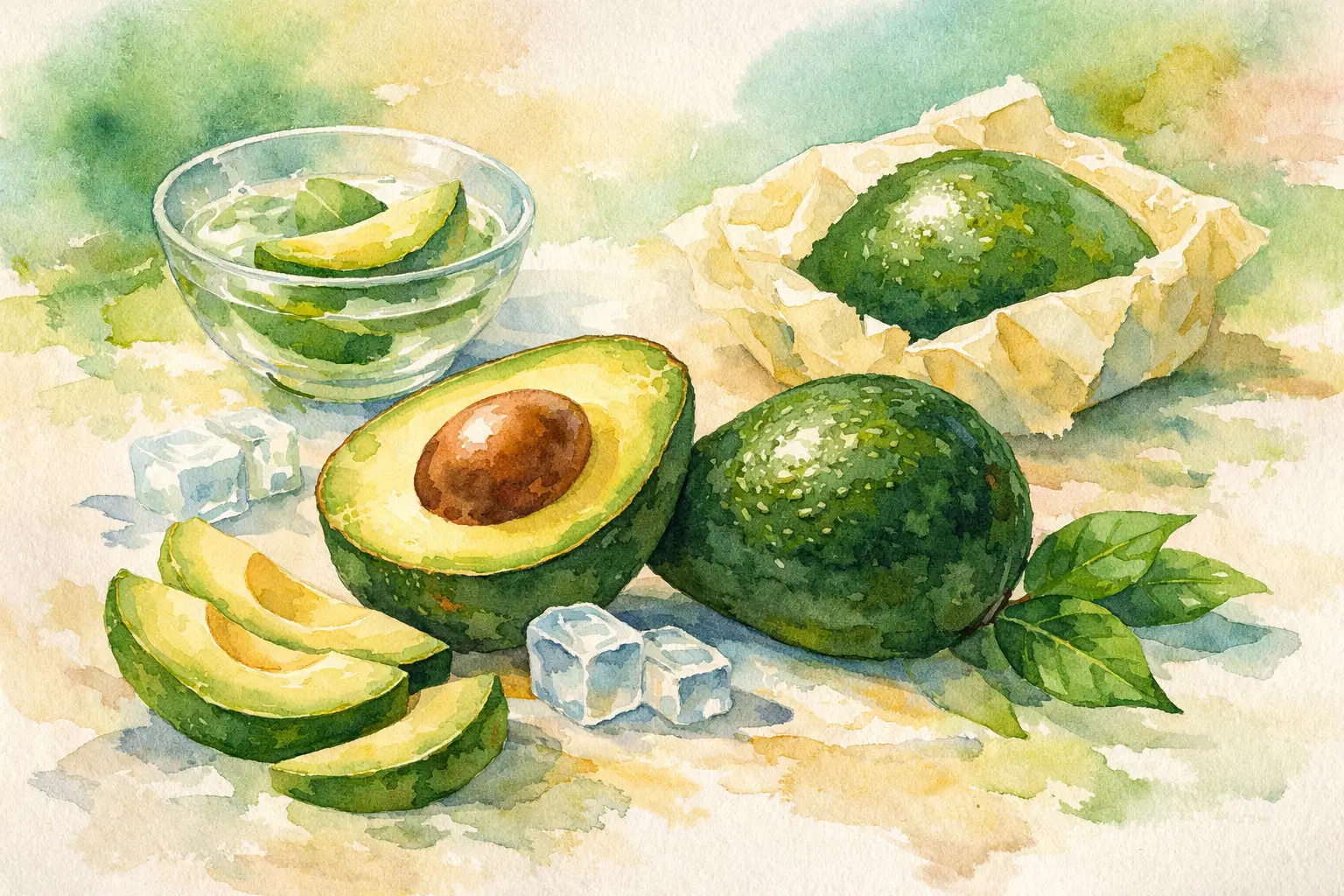
You slice open a beautiful avocado for lunch, use half, and come back a few hours later to find that familiar brown layer staring back at you. If you have ever wondered how to keep avocados green without changing their creamy texture or fresh flavor, the good news is that a few simple habits make a real difference.
Browning can feel wasteful, especially when you care about feeding your family well and making the most of good food. A great avocado is too valuable to lose to the air on your kitchen counter. The key is understanding what actually causes discoloration, then choosing the storage method that fits how soon you plan to eat it.
How to keep avocados green starts with the cut surface
When an avocado is cut, the flesh is exposed to oxygen. That contact triggers oxidation, which is what turns the surface from bright green to brown. It does not usually mean the avocado has gone bad right away, but it can affect flavor, texture, and appetite appeal.
The best way to slow that process is to limit air exposure as much as possible. That sounds obvious, but it matters more than adding trendy tricks or overcomplicating storage. The less oxygen touching the avocado, the better your chances of keeping that just-cut color.
If you are only saving half an avocado, leave the pit in the unused half if you can. The pit only protects the part it covers, so it is not a complete solution, but it does reduce exposure in the center. More importantly, keep the flesh tightly covered.
The best ways to keep cut avocados green
For most home kitchens, the most reliable method is plastic wrap pressed directly against the avocado flesh. Do not just cover the bowl or loosely wrap the fruit. Press the wrap so it touches the entire cut surface. That direct contact helps block oxygen, which is exactly what you want.
After wrapping, store the avocado in the refrigerator. Cold temperatures do not stop oxidation completely, but they slow it down. If you know you will use the avocado within a day, this method is usually the safest balance of convenience and results.
An airtight container also works well, especially if you want less plastic in your kitchen routine. Put the avocado cut-side down if the container is flat and clean, or use a snug container that leaves very little extra space around the fruit. Less open air in the container generally means less browning.
A light coating of lemon or lime juice can help too. The acid slows oxidation and adds another layer of protection. This is a good option for avocados headed into guacamole, tacos, or salads where a hint of citrus fits naturally. If you are saving avocado for toast or a milder recipe, use a light hand, since too much juice can change the flavor.
Olive oil is another useful option. Brush a thin layer over the cut surface before wrapping or refrigerating. It creates a barrier against air without adding much taste. Some people prefer this method over citrus when they want the avocado to stay closer to its natural flavor.
How to keep avocados green in guacamole
Guacamole is a little different because more of the avocado is exposed to air once it is mashed. That means storage matters even more. If you want to keep guacamole green, transfer it to a container and press it down so the top is smooth and flat. Then press plastic wrap directly onto the surface before sealing the container.
This direct-contact step is what many people skip. If there is a pocket of air between the guacamole and the wrap, the top layer will still brown quickly. A tight seal against the surface helps preserve both color and freshness.
Some cooks add a thin layer of water or citrus juice on top of the guacamole before covering it. This can work, but it depends on the recipe and your comfort level. Water can be poured off later, though it may slightly affect texture if left too long. Citrus juice can brighten the dip, but too much may throw off the balance. For most families, pressed plastic wrap is the simplest and most dependable method.
If your guacamole does brown a little on top, do not panic. Often, you can scrape off the thin top layer and find fresh green guacamole underneath. It is not ideal, but it is better than throwing out the whole batch.
What not to do if you want fresh-looking avocados
Not every avocado tip is worth following. Onion slices in a container with avocado can help a little because of sulfur compounds, but they can also transfer odor and flavor. That may not matter in guacamole, but it is less appealing if you want clean avocado slices for breakfast or sandwiches.
Leaving cut avocado at room temperature is another mistake. Even if you think you will eat it later that day, room temperature speeds both browning and spoilage. Refrigeration buys you time and protects quality.
It is also easy to rely too heavily on the pit. Keeping the pit in place helps only where it physically covers the flesh. The rest of the exposed avocado still needs protection. Think of the pit as a small assist, not the full solution.
Finally, avoid squeezing lemon or lime so heavily that the avocado turns sour. The goal is to preserve freshness, not mask the fruit itself. A good avocado should still taste like avocado.
Picking and ripeness matter more than people think
If you want to know how to keep avocados green, it helps to start before the knife ever comes out. A properly ripened avocado holds its texture better and tends to store more gracefully than one that is overripe and already on the edge.
A ripe avocado should yield gently to pressure without feeling mushy. If it is too firm, let it ripen on the counter. Once it reaches that ready stage, move it to the refrigerator if you are not eating it right away. That simple shift can extend its usable life by a few days.
Overripe avocados brown faster, feel stringy or watery, and can develop off flavors. No storage method can fully rescue fruit that has already passed its prime. Freshness going in matters. From Grove to Table, quality at the start makes every kitchen tip work better.
The fridge, the freezer, and real-life timing
The refrigerator is best for short-term storage. If you are saving half an avocado for tomorrow’s lunch or tonight’s salad, chill it well and protect the cut side. That is your everyday answer.
The freezer is more of a backup plan. If you have extra avocado that you know you will not use soon, mash it with a little lemon or lime juice and freeze it in an airtight container or freezer-safe bag. The texture will soften after thawing, so it is better for smoothies, spreads, dressings, or guacamole than neat slices.
That trade-off matters. Freezing can prevent waste, but it is not the best path if presentation matters. If you want perfect slices for burgers or grain bowls, refrigerated fresh avocado is still the better choice.
A practical routine for busy family kitchens
For most households, the easiest routine is this: cut only what you need, leave the pit in the unused half, brush the surface lightly with lemon juice or olive oil if it suits the meal, press wrap directly against the flesh, and refrigerate immediately. Use it within 24 hours for the best color and texture.
If you are storing guacamole, smooth the top, press wrap onto the surface, seal the container, and chill it. Try to enjoy it within a day or two while the flavor is still bright.
And if you end up with slight browning, remember that appearance and quality are not always the same thing. A thin brown layer can often be removed, and the avocado beneath may still be perfectly good. Growing Healthy Families also means using food wisely and not tossing it too quickly.
A good avocado brings comfort, nourishment, and simple pleasure to the table. Treat it with a little care, and it will give you more of all three.
Leave a Reply