Blog

  • Why Sustainable Avocado Farming Matters

    Why Sustainable Avocado Farming Matters

    A ripe avocado should feel simple – fresh, nourishing, and ready for the family table. But behind every great piece of fruit is a set of farming choices that shape the land, the water supply, and the future of the people growing it. That is why sustainable avocado farming matters so much, especially for families who want to eat well and feel confident about where their food comes from.

    For many shoppers, sustainability can sound like a broad promise. On a real farm, it is much more practical than that. It means caring for the grove in a way that produces excellent fruit today without wearing out the soil, wasting water, or pushing short-term production ahead of long-term health. When a farm takes that responsibility seriously, the result is not only better stewardship. It often shows up in taste, consistency, and trust.

    What sustainable avocado farming really means

    At its core, sustainable avocado farming is about balance. A grower has to produce a healthy crop while protecting the natural systems that make that crop possible in the first place. For avocados, that usually starts with water, soil, and responsible land management.

    Avocado trees are valuable perennial crops. They are not planted one season and removed the next. A grove represents years of care, planning, and patience. That long timeline naturally changes the way family farmers think. If you expect to hand land down to the next generation, you do not treat it like something disposable. You care for it with the future in mind.

    That mindset matters in California, where growing conditions can be exceptional but resources must be managed carefully. Sunshine and mild weather support beautiful fruit, yet water stewardship is always part of the conversation. Sustainable practices are not about chasing a trend. They are about making sure farming remains possible, responsible, and productive for years to come.

    Water is the biggest part of the conversation

    When people talk about avocados and sustainability, water usually comes first, and for good reason. Avocado trees need reliable moisture to produce high-quality fruit. But there is a big difference between using water and using it wisely.

    Responsible farms pay close attention to irrigation timing, soil moisture, and seasonal conditions. Instead of treating every part of the grove the same way, growers can monitor what trees actually need and avoid overwatering. This protects a limited resource and helps the trees stay healthier. Too much water can be just as harmful as too little, leading to stress in the root zone and weaker overall performance.

    This is one of those areas where sustainability and quality often go hand in hand. Careful irrigation does not simply reduce waste. It supports more consistent growing conditions, which can improve fruit development. For families buying avocados, that may sound like a farm-level detail. In reality, it affects what arrives in the kitchen.

    Healthy soil grows better fruit

    Soil does a lot more than hold a tree in place. It stores water, cycles nutrients, supports root health, and helps buffer the grove against stress. When soil is treated well, the entire farm becomes more resilient.

    That is why sustainable avocado farming includes practices that protect soil structure and organic matter. Growers may focus on reducing erosion, returning natural material to the ground, and avoiding unnecessary disturbance. Over time, those choices help the soil hold moisture more effectively and support stronger trees.

    There is a practical trade-off here. Soil-building practices take time. They do not always deliver the kind of instant visible result that quick-fix inputs can promise. But farming is rarely improved by shortcuts that ignore the long game. Strong soil is one of the clearest signs that a farm is being managed for lasting health, not just immediate output.

    Sustainability is also about how a farm thinks

    People often picture sustainability as a list of techniques, but it is really a philosophy of care. The question is not only what a farm does. It is why it does it.

    A family farm tends to see the grove as part of its identity, not just its inventory. That changes decision-making. The land is tied to memory, effort, and responsibility. The harvest supports real households. The next season matters, but so does the next decade.

    That perspective can make a difference in how fruit is grown, handled, and shared with customers. When growers are proud of their name and legacy, they tend to be more transparent and more invested in the experience families have with their food. Holmes Grown USA is built on that kind of belief – that growing healthy families begins with how we care for the grove itself.

    Why domestic farming matters in a sustainability conversation

    Sustainability is not only about on-farm practices. It is also about supply chains, accountability, and food miles. For many American families, supporting domestic agriculture is part of making a more thoughtful food choice.

    When food comes from a US family farm, customers often have a clearer sense of origin and seasonality. They can better understand when fruit is harvested, how it is handled, and who is responsible for quality. That transparency is harder to find in anonymous commodity channels where produce may pass through many hands before reaching the store.

    Domestic farming is not automatically more sustainable in every case. Farming always depends on location, climate, and management. But shorter, more transparent supply chains can reduce uncertainty and help buyers align their purchases with their values. For families who want fresher fruit and a stronger connection to American agriculture, that matters.

    The quality question: does sustainability affect taste?

    It is fair to ask whether sustainability changes the eating experience or if it is simply a values issue. The honest answer is that it can affect both.

    A well-managed grove tends to produce fruit under steadier conditions. Healthy trees, thoughtful irrigation, and strong soil management all contribute to overall fruit quality. That does not mean every sustainable farm grows identical avocados or that every challenge disappears. Weather, harvest timing, and seasonal variation still matter. Farming always has variables.

    But in general, fruit raised with care and harvested with attention has a better chance of delivering the creamy texture, clean flavor, and reliable ripening families want. Sustainability is not a marketing layer added after the fact. It is often part of the reason the fruit performs well in the first place.

    What shoppers should look for

    Most families are not trying to become agricultural experts. They simply want to make better choices without overcomplicating the grocery process. A few simple questions can help.

    Start with origin. Knowing where avocados are grown gives useful context about seasonality and oversight. Then look for signs that the farm speaks clearly about its growing practices, freshness, and values. Farms that care deeply about stewardship usually talk about it in plain language because it is part of how they operate, not just a slogan.

    It also helps to pay attention to ripeness experience and consistency over time. If avocados arrive fresher, ripen more reliably, and taste better, that often reflects decisions made long before harvest. Good farming shows up at the table.

    Sustainable avocado farming and the family table

    The most meaningful part of sustainability may be the simplest one. It connects the health of the land to the health of the home. When families choose food that is grown with care, they support a system that values nourishment, responsibility, and continuity.

    That connection is easy to miss in a fast-moving food culture where convenience often overshadows source. Yet some of the best meals begin with a different question: who grew this, and how? Avocados are more than a trend ingredient. They are a nutrient-dense staple that can fit breakfast, lunch, dinner, and everything in between. When they come from a farm committed to doing things the right way, they carry more than flavor. They carry integrity.

    Sustainable avocado farming will never be about one perfect method or one tidy claim. It depends on climate, region, resources, and the judgment of growers who know their land well. But the bigger idea is steady and worth holding onto: when farms care for water, soil, trees, and future generations, everyone benefits – from the grove to the table.

    The next time you cut into a perfectly ripe avocado, remember that good fruit is rarely an accident. It is the result of patient hands, careful choices, and a belief that feeding families well should never come at the expense of the land that makes it possible.

  • How Avocados Are Grown in California

    How Avocados Are Grown in California

    If you have ever sliced into a perfectly creamy avocado and wondered what it took to get that fruit from a tree to your kitchen, the answer starts long before harvest day. Understanding how avocados are grown gives you a better sense of why freshness, timing, and careful farming matter so much – especially when you want food that tastes better and supports healthy family meals.

    At a glance, avocados may seem simple. They grow on trees, they ripen, and they are picked. But anyone who farms them knows there is nothing casual about the process. Great avocados come from years of care, close attention to the land, and a steady commitment to quality from season to season.

    How avocados are grown from tree to fruit

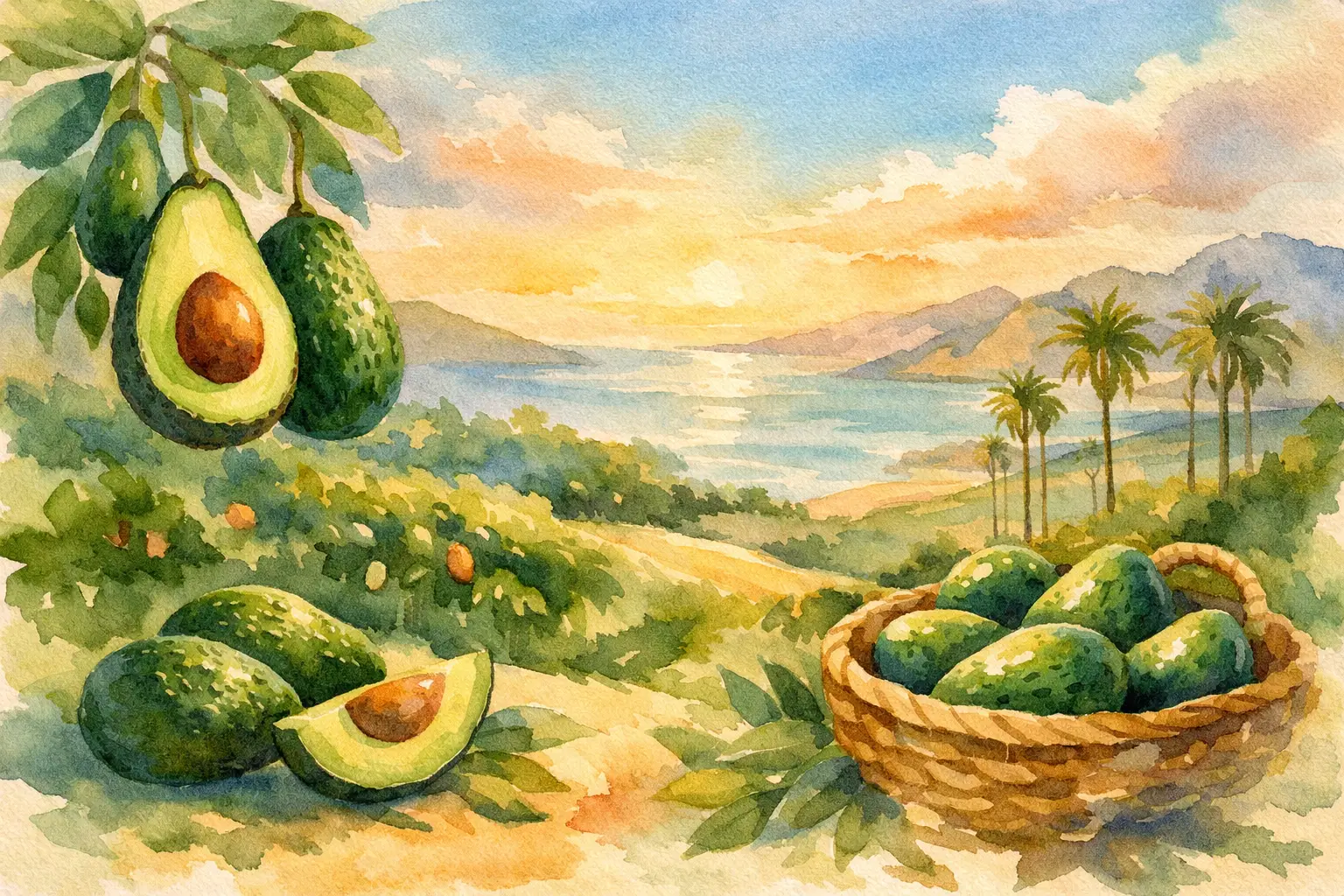
    Avocados grow on evergreen trees that thrive in mild climates with plenty of sun and well-drained soil. That is one reason California has become one of the best places in the country for avocado growing. The trees do not like standing water, hard freezes, or extreme swings in temperature, so where they are planted matters just as much as how they are managed.

    Before a single avocado appears, a grower has to establish healthy trees with strong roots and enough room to mature. An avocado orchard, often called a grove, is planned with long-term care in mind. These trees are not short-term crops. They are a commitment that can produce fruit for many years, but only if they are protected and managed well.

    Young trees need patience. In the first years, the focus is on structure and health rather than heavy production. Growers pay close attention to irrigation, soil condition, wind exposure, and signs of stress. A tree that gets off to a strong start is far more likely to produce dependable, high-quality fruit later on.

    The growing conditions that shape quality

    When people ask how avocados are grown, they are often really asking why some avocados taste rich and buttery while others seem watery or bruised before they are even ripe. The answer usually comes back to growing conditions and handling.

    Avocado trees need consistent moisture, but not too much. This balance is one of the biggest trade-offs in farming. Too little water can stress the tree and affect fruit size. Too much water can harm roots and create disease pressure. Good growers do not just water on a schedule and hope for the best. They watch the weather, the soil, and the trees themselves.

    Sunlight also plays a major role. Trees need enough light to support flowering and fruit development, but hot conditions can create stress, especially during heat waves. In places like San Diego County, the coastal climate can help moderate extremes. That does not mean every season is easy. Farming always depends on the year. A mild season may support steady growth, while unusual heat, wind, or cold can reduce yields or change the timing of harvest.

    Soil health matters too. Healthy soil supports root growth, water movement, and nutrient uptake. That is part of sustainable farming that often goes unnoticed by shoppers, even though it directly affects what ends up on the table. Strong fruit begins with healthy ground.

    Flowering, pollination, and fruit set

    One of the most fascinating parts of avocado farming happens before the fruit is even visible. Avocado trees produce thousands of small yellow-green flowers. Not every flower becomes fruit. In fact, only a small percentage will make that journey all the way to harvest.

    Pollination is part of the story, and it is more interesting than many people realize. Avocado flowers open in two stages, functioning as female first and male later. This pattern helps encourage cross-pollination. Bees and other pollinators can help move pollen between flowers, which supports fruit set.

    Even then, fruit production is never guaranteed. Weather during bloom can affect pollination and early fruit development. Cool temperatures, wind, or rain at the wrong time can reduce the number of avocados a tree carries. That is why farming avocados requires both skill and humility. Growers can do many things right and still depend on nature to cooperate.

    Once fruit sets, the small avocados begin developing slowly over many months. This is not a quick crop. Avocados stay on the tree for an extended period, gradually building size, oil content, and flavor.

    Why avocados do not ripen on the tree

    This surprises many people the first time they hear it. Avocados mature on the tree, but they do not fully ripen there. They are harvested when they have reached the right maturity, then they soften after picking.

    That detail changes everything about quality. A grower has to know when the fruit is ready to harvest, even though it will still feel firm. Pick too early and the avocado may never develop the full taste and texture people expect. Pick at the proper maturity and you get the creamy, satisfying fruit that makes avocados such a staple in healthy kitchens.

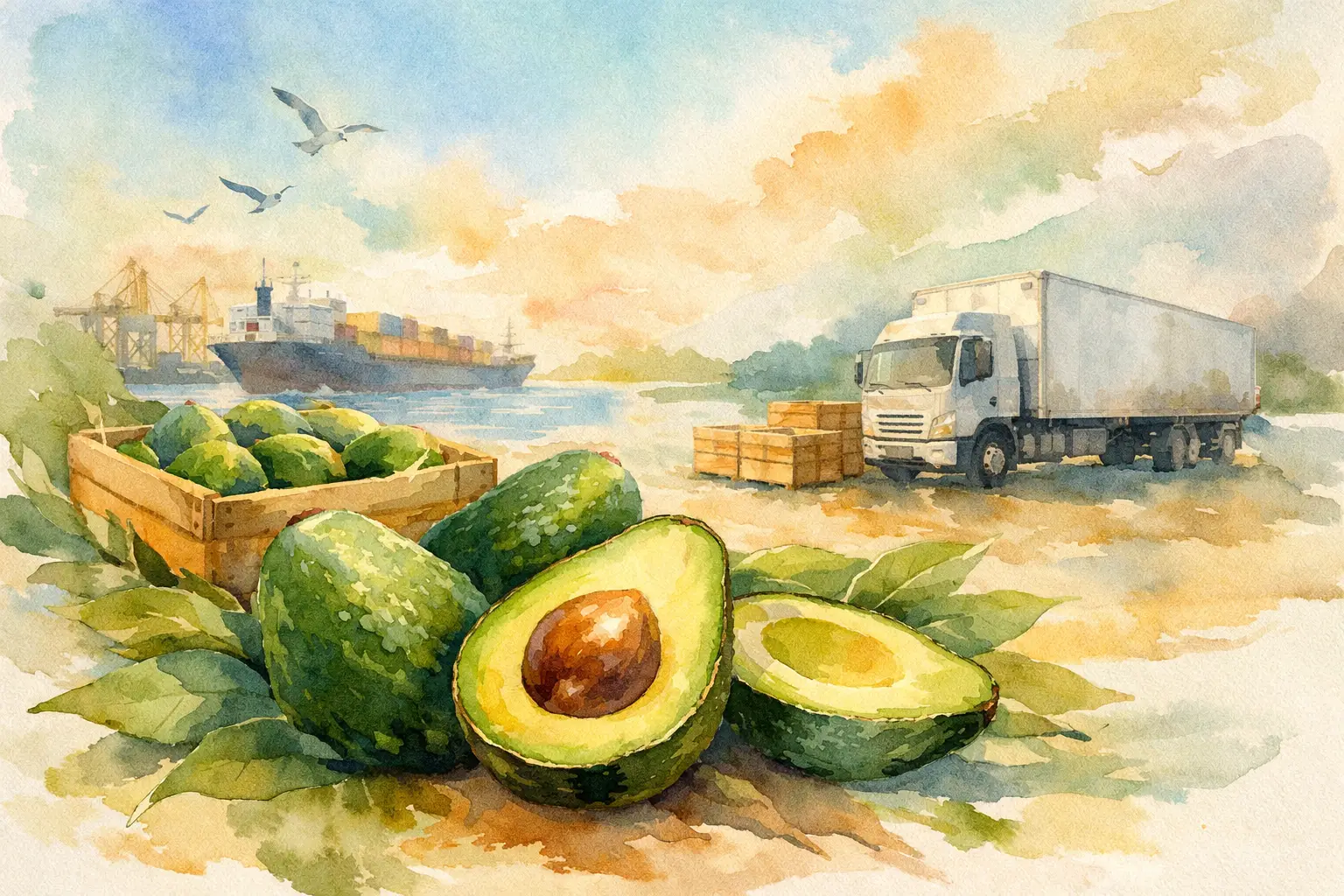
    This is one reason farm-fresh shipping matters. When fruit is harvested with care and sent out close to picking, families have a much better chance of enjoying avocados at their best. The timing feels simple from the customer side, but behind it is a lot of knowledge and coordination.

    Harvesting takes care, not shortcuts

    Avocados are usually harvested by hand. That is important because the fruit bruises easily if handled roughly. Workers clip or pick the avocados carefully, often using tools for higher branches, and collect them in a way that protects the skin and flesh.

    Hand harvesting is slower than many people might assume, but quality fruit is worth that extra attention. In a family-run grove, that care is part of the promise. From Grove to Table is not just a nice phrase. It reflects the real work of harvesting fruit at the right time and moving it with care so it reaches your kitchen in beautiful condition.

    Not every avocado on every tree is ready at the same moment, either. Harvest can happen in passes, with growers selecting mature fruit while leaving some behind to continue developing. That selective approach is one more reason premium avocados stand apart from commodity produce.

    What happens after the avocados are picked

    After harvest, avocados are sorted for quality and prepared for the next step in their journey. Size, appearance, and condition all matter. This is where attention to detail protects the eating experience.

    The fruit is still firm at this stage, which helps with shipping and handling. Then the ripening process happens after purchase or under controlled conditions, depending on how the avocados are being sold. For customers, this stage can make a major difference in convenience. Reliable ripening means less waste, fewer disappointments, and more confidence when planning meals.

    That matters for busy households. Whether you are making avocado toast before school, slicing fruit onto tacos, or adding it to a salad for dinner, you want avocados that are ready when you need them. Growing Healthy Families starts with food that is both nutrient-dense and dependable.

    Sustainable care is part of how good avocados are grown

    Families who care about where their food comes from often want more than a good-looking piece of fruit. They want to know the land is being respected too. Sustainable avocado farming can include careful water management, soil stewardship, long-term tree health, and thoughtful use of resources.

    There is no single perfect formula because every grove is different. What works in one region may not work the same way in another. But the principle stays the same: better farming tends to come from growers who are thinking beyond one harvest.

    That long view is especially meaningful on a family farm. When a grove is part of a generational legacy, the goal is not just to get through the season. It is to preserve the land, protect fruit quality, and keep growing something worth passing down.

    For many American families, that connection matters. Buying produce from domestic farms is not only about convenience. It is about trust, transparency, and supporting the people who are still committed to growing food with care here at home.

    Why the growing process matters at the table

    Once you understand how avocados are grown, you can taste the difference in a more meaningful way. Good avocados are the result of patient tree care, healthy soil, careful harvest timing, and respectful handling. They are not just another grocery item. They are the end product of months of work and years of farming experience.

    That is part of what makes California-grown fruit so special. In the right climate, with the right stewardship, avocados can develop the texture, flavor, and freshness families are looking for. Holmes Grown USA is built on that belief – that when food is grown with care and shipped with purpose, people can Experience the Perfect Avocado, Every Time.

    The next time you cut into an avocado, it helps to remember that its journey began in a grove shaped by sun, soil, water, and patient hands. Knowing that does not just make the fruit more interesting. It makes the meal feel a little more connected to the people and the land that made it possible.

  • 10 Avocado Dinner Recipes for Families

    10 Avocado Dinner Recipes for Families

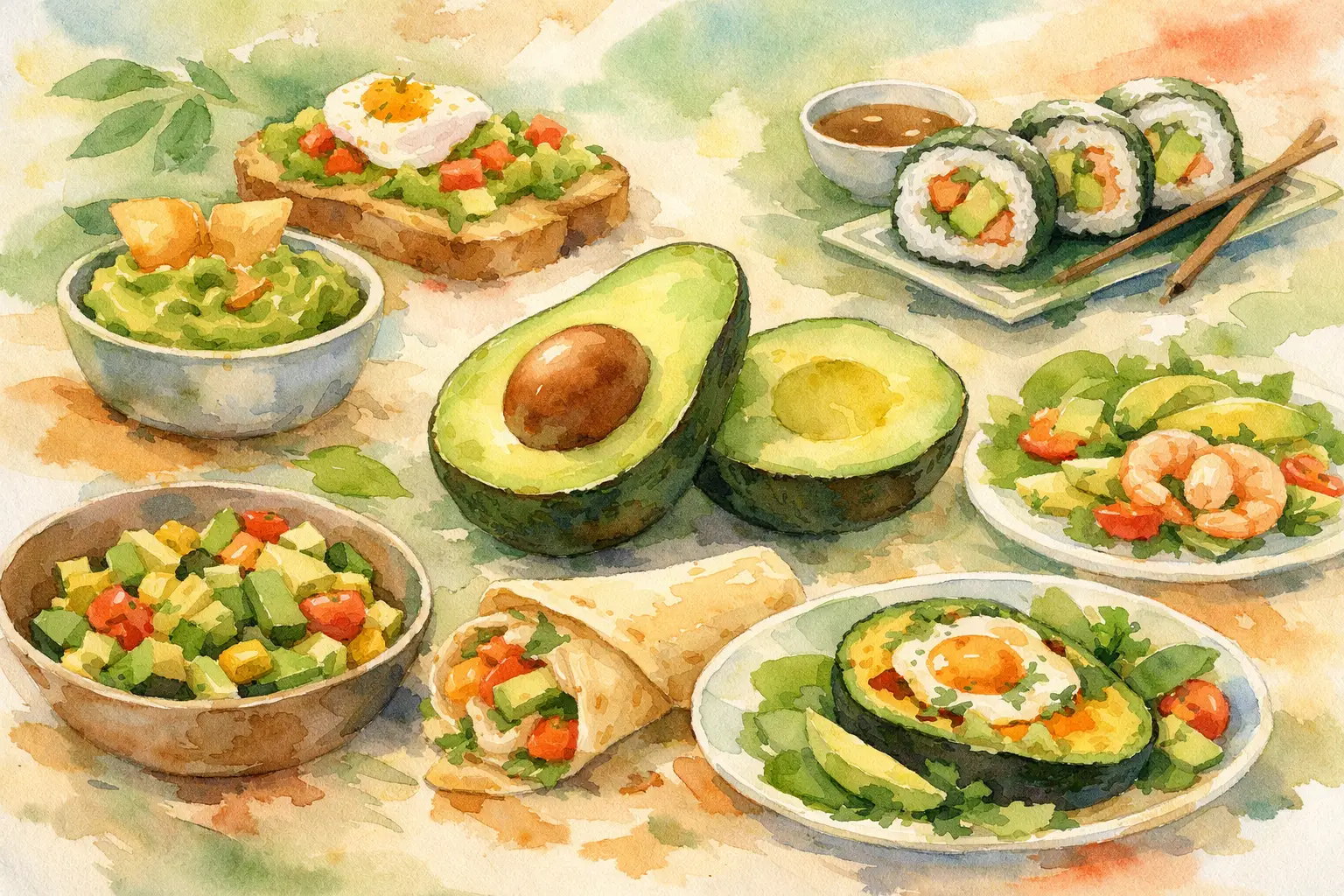
    Some nights, dinner needs to do more than fill plates. It needs to satisfy hungry kids, feel good to serve, and come together without turning the kitchen into a second full-time job. That is exactly where avocado dinner recipes for families earn their place. Avocados bring real substance to the table – creamy texture, steady nutrition, and a fresh flavor that can make simple meals feel complete.

    For family cooking, that matters. A good avocado can stretch a quick taco night into something more balanced, soften the spice in a rice bowl, or turn a baked chicken dinner into a meal that feels generous and comforting. And because avocados pair well with proteins, grains, beans, and vegetables, they fit naturally into the kind of dinners families actually make on weeknights.

    Why avocados work so well at dinner

    Avocados are often treated like a breakfast add-on or a snack ingredient, but they do some of their best work at dinner. Their healthy fats help meals feel satisfying, which is especially useful when you are feeding a mix of adults, teenagers, and younger kids with different appetites. They also blend into a wide range of family favorites without making the meal feel overly heavy.

    That flexibility is part of what makes them so practical. If your family leans toward Tex-Mex flavors, avocados belong there. If you cook grain bowls, grilled chicken, pasta, salmon, or burger nights, they belong there too. A ripe avocado can be sliced, diced, mashed, or blended into a sauce, so it adds value without demanding a complicated recipe.

    There is also a quality difference you can taste. When avocados are fresh, buttery, and picked with care, they do not need much help. That is part of the farm-to-table appeal families appreciate – simple ingredients, handled well, can carry a whole meal.

    Avocado dinner recipes for families that make weeknights easier

    The best family dinners are not always the fanciest ones. They are the meals people ask for again, the ones that make good use of what is already in the kitchen, and the ones that can bend a little when schedules change. These ideas do exactly that.

    1. Chicken avocado taco bowls

    Start with rice, grilled or shredded chicken, black beans, and chopped lettuce. Add sweet corn, salsa, and generous avocado slices on top. This works well for families because everyone can build their own bowl, and that usually means less resistance from picky eaters.

    If you need to stretch the meal, add roasted peppers or extra beans. If your household prefers milder flavors, avocado helps cool everything down without taking away the fun of taco night.

    2. Baked salmon with avocado herb topping

    Salmon can be one of the fastest healthy dinners in a family rotation, especially when baked on a sheet pan. Once it comes out of the oven, spoon over a simple mixture of diced avocado, lemon juice, parsley, and a little olive oil.

    The contrast is what makes this meal work. Warm, rich salmon gets a bright finish from the avocado topping, and the whole dinner feels fresh instead of too rich. Serve it with roasted potatoes or green beans for a balanced plate.

    3. Turkey avocado burgers

    When burger night needs a healthier shift, turkey burgers are an easy answer. They can dry out if overcooked, though, which is where avocado helps. Thick slices tucked into the bun add moisture, flavor, and a more satisfying bite.

    For families, this dinner feels familiar. You are not trying to convince anyone to love a completely new meal. You are simply making a classic dinner better, and that is often the smartest path on a busy weeknight.

    4. Creamy avocado pasta with grilled chicken

    This is one of the most useful avocado dinner recipes for families because it feels indulgent while staying fairly simple. Blend ripe avocado with garlic, basil, lemon juice, olive oil, and a little pasta water to create a silky sauce. Toss it with warm pasta and sliced grilled chicken.

    The trade-off is timing. Avocado sauce is best served fresh, so this is not the dinner to make far ahead. But if you want a fast meal that feels comforting and still leans fresh, it is hard to beat.

    5. Stuffed sweet potatoes with avocado and black beans

    Baked sweet potatoes make a sturdy base for a budget-friendly family dinner. Split them open and fill them with black beans, shredded cheese, chopped tomatoes, and avocado. Add leftover chicken if you want more protein.

    This dinner is especially helpful when family members want different levels of toppings. Some may want salsa and cilantro, while others prefer just cheese and avocado. The base stays the same, but the plates can still feel personal.

    6. Sheet pan fajitas with avocado

    Few dinners work harder than sheet pan fajitas. Chicken strips, onions, and bell peppers roast together, and the clean-up stays manageable. Once everything is tucked into tortillas, avocado slices finish the meal with creaminess that sour cream usually fills.

    That swap can make the dinner feel lighter without sacrificing comfort. It is also a good example of how avocados bring balance to meals with bold seasoning.

    7. Family quesadillas with avocado salsa

    Quesadillas are often treated like a backup meal, but they can absolutely be dinner with the right additions. Fill them with chicken, beans, or sautéed vegetables and serve with a quick avocado salsa made from diced avocado, tomato, lime, and a pinch of salt.

    This gives the meal freshness and texture, which keeps it from feeling one-note. It is also a smart way to use ripe avocados when you need dinner on the table fast.

    8. Avocado chicken salad lettuce wraps

    For warmer evenings, lettuce wraps can be a welcome break from heavier dinners. Mix chopped cooked chicken with avocado, celery, lemon juice, and a spoonful of Greek yogurt or mayo, then spoon into crisp lettuce leaves.

    This meal is lighter, so it may not suit every family as a stand-alone dinner. It depends on your household. If you are feeding bigger appetites, serve it with fruit, soup, or roasted potatoes on the side.

    9. Rice and bean skillet with avocado

    A one-pan rice and bean skillet is one of the most dependable family meals around. Cook rice with onions, beans, diced tomatoes, and mild spices, then top each serving with avocado just before eating.

    This is not a flashy dinner, and that is the point. It is affordable, nourishing, and easy to repeat. Avocado adds the richness that makes a humble skillet meal feel complete.

    10. Grilled chicken flatbreads with avocado

    Flatbread dinners are good for families because they offer some of the fun of pizza without as much heaviness. Top flatbreads with grilled chicken, mozzarella, tomatoes, and spinach, then add avocado after baking.

    The warm flatbread and cool avocado create a great contrast. It is also a dinner that works for casual family nights or for serving friends without much extra effort.

    How to make avocado family dinners actually succeed

    The biggest factor is ripeness. If avocados are too firm, they will not deliver the texture these dinners depend on. If they are overripe, they can turn mushy or dull in flavor. For sliced or diced applications, you want fruit that yields gently when pressed but still holds its shape.

    It also helps to think about avocado as a balancing ingredient, not just a garnish. Rich proteins, spicy seasonings, acidic ingredients, and crisp vegetables all play well with it. That is why avocado works in tacos, bowls, burgers, and baked entrées alike.

    There is one more practical point for family cooking: keep the rest of the recipe simple. Avocado already brings texture and satisfaction, so you usually do not need extra-heavy sauces or too many competing ingredients. Fresh food tends to speak for itself when the quality is there. That is a big part of the From Grove to Table promise families value, and it is why premium avocados can change the feel of an everyday dinner.

    A few smart swaps for different families

    Not every family eats the same way, and dinner should leave room for that. If you need more protein, pair avocado with chicken, turkey, salmon, or beans. If you are cooking for younger kids, milder meals like quesadillas, burgers, and pasta usually go over better than heavily spiced bowls.

    If your household is trying to cut back on processed ingredients, avocado can replace some heavier toppings like bottled creamy dressings or excess cheese. That does not mean every meal needs to be ultra-light. It simply means avocados give you a whole-food option that still feels satisfying.

    Families who care about where food comes from often notice something else too: better produce changes the rhythm of home cooking. When ingredients arrive fresh and full of flavor, dinner feels less like assembling calories and more like feeding people you love. That is one reason Holmes Grown USA believes good avocados belong at the center of everyday meals, not just special recipes.

    A family dinner does not have to be complicated to be memorable. Sometimes it is a warm skillet, a cutting board, a ripe avocado, and a meal everyone is happy to sit down for.

  • 9 Easy Avocado Lunch Recipes to Make Fast

    9 Easy Avocado Lunch Recipes to Make Fast

    Lunch is where good intentions often fall apart. Breakfast was solid, dinner has a plan, and then noon shows up with five minutes to spare and a hungry family to feed. That is exactly why easy avocado lunch recipes earn a permanent place in a real home kitchen – they are quick, satisfying, and built around an ingredient that brings both flavor and nourishment to the table.

    Avocados work especially well at lunch because they do more than add creaminess. They help simple meals feel complete. A piece of toast becomes a meal. A grain bowl feels hearty instead of sparse. A wrap turns from average to something you would actually look forward to eating again tomorrow. When you start with a ripe, flavorful avocado, lunch gets easier in the best possible way.

    Why easy avocado lunch recipes work so well

    A good lunch needs to do three things. It should be fast enough for a weekday, filling enough to carry you through the afternoon, and flexible enough to use what is already in the fridge. Avocados check every box.

    They pair naturally with pantry basics like eggs, rice, beans, canned tuna, whole grain bread, and chicken. They also fit a wide range of eating styles, whether you are feeding kids, packing lunch for work, or trying to keep meals lighter without ending up hungry an hour later. Their healthy fats make simple ingredients feel more substantial, which matters when you want food that supports energy instead of slowing you down.

    There is one trade-off worth mentioning. Avocados are at their best when ripe, so timing matters. If your avocado is still firm, save it for slicing thin into a sandwich. If it is perfectly soft, mash it into spreads, dressings, or quick salads. Working with the fruit where it is, instead of forcing a recipe, is part of getting consistently good results.

    1. Avocado turkey toast with tomato and lemon

    This is the kind of lunch that feels almost too easy to count as cooking, yet it delivers every time. Start with toasted whole grain bread, then spread on mashed avocado with a pinch of salt and a squeeze of lemon. Layer sliced turkey and tomato on top, then finish with black pepper.

    The balance here is what makes it work. The avocado adds richness, the turkey brings protein, and the tomato keeps everything fresh. If you want a little more crunch, sliced cucumber or thin red onion can help. If you are feeding younger kids, leave the toppings simple and cut the toast into halves or strips.

    2. Chicken avocado lettuce wraps

    When lunch needs to be lighter but still satisfying, lettuce wraps do the job. Mix shredded cooked chicken with diced avocado, a spoonful of plain Greek yogurt or olive oil, lime juice, salt, and chopped cilantro if your family likes it. Spoon the mixture into romaine or butter lettuce leaves.

    This recipe is especially useful for leftovers. Rotisserie chicken works well, but so does grilled chicken from last night’s dinner. If you need a little more texture, add finely diced celery. If you want more staying power, serve the wraps with fruit or a side of rice. It depends on whether you are building a snacky lunch or a full meal.

    3. Avocado egg salad pita

    Egg salad can be heavy when it leans too hard on mayonnaise. Avocado gives you a creamier, fresher option. Mash hard-boiled eggs with ripe avocado, a little mustard, lemon juice, salt, and pepper. Stuff the mixture into a pita with chopped greens.

    This version feels wholesome without tasting overly earnest. The avocado softens the eggs in a way that feels rich, but not weighed down. If you like a brighter bite, chopped dill pickles or green onion work well here. For meal prep, keep the filling chilled and assemble just before eating so the pita stays soft, not soggy.

    4. Easy avocado lunch recipes for rice bowls

    Rice bowls are one of the smartest ways to turn odds and ends into a lunch that looks intentional. Start with warm rice or quinoa, then add avocado slices, black beans, corn, cherry tomatoes, and any cooked protein you have on hand. A squeeze of lime and a spoonful of salsa pull it together.

    The beauty of this kind of lunch is that it bends with the season and your schedule. You can keep it meatless, add leftover steak or chicken, or toss in roasted vegetables from dinner. Avocado belongs here because it smooths out every other ingredient and makes the bowl feel complete. When the fruit is especially buttery and fresh, you need very little dressing.

    5. Tuna avocado stuffed halves

    This is one of the fastest high-protein lunches you can make, and it works particularly well on busy work-from-home days. Mix canned tuna with lemon juice, olive oil, a little Dijon mustard, and chopped celery. Halve and pit the avocado, then spoon the tuna mixture into the center.

    It is simple, yes, but not plain. The contrast between the cool avocado and the savory tuna is what makes it satisfying. If your avocado is on the smaller side, serve the tuna with crackers or sliced vegetables on the side. If it is large and perfectly ripe, the avocado itself becomes part of the meal rather than just a garnish.

    6. Avocado grilled cheese with spinach

    Some lunches need to feel comforting. This one does, while still giving you something green and fresh. Layer mashed or sliced avocado, sharp cheddar, and a handful of spinach between slices of bread, then grill until crisp and melted.

    The avocado changes the texture in a good way, making the sandwich creamy inside while the bread stays golden outside. Use moderate heat so the cheese melts before the bread gets too dark. If you are cooking for a family, this is an easy win because it feels familiar, but a little better for everyone at the table.

    7. Southwest avocado chicken wrap

    Wraps are practical for lunch because they travel well, and they are easy to customize. Spread mashed avocado onto a tortilla, then add cooked chicken, shredded lettuce, black beans, shredded cheese, and a spoonful of salsa. Roll tightly and slice in half.

    This is one of those meals that can go in several directions. Keep it simple for kids, add jalapenos for adults, or swap the chicken for turkey if that is what you have. The avocado acts like a spread and a filling at once, which cuts down on extra sauces and keeps the wrap from tasting dry.

    8. Avocado pasta salad with fresh vegetables

    Pasta salad can be more than a side dish if you build it with enough texture and substance. Toss cooked pasta with diced avocado, cucumber, cherry tomatoes, chickpeas, olive oil, lemon juice, and a little Parmesan. Serve it chilled or just slightly cool.

    This is a strong make-ahead lunch, but timing matters. If you are preparing it in advance, add the avocado closer to serving time so it keeps its color and texture. If that is not realistic on a busy day, use a little extra lemon juice and store it tightly covered. It may soften some, but it will still taste good.

    9. Open-faced avocado and cottage cheese toast

    If you want a lunch with plenty of protein and almost no prep, this is hard to beat. Toast a slice of hearty bread, spread on cottage cheese, and top with sliced avocado, salt, pepper, and everything seasoning if you like it.

    It sounds humble, and it is, but that is part of its charm. The cottage cheese adds protein and tang, while the avocado keeps things rich and balanced. Add sliced radishes or tomato if you want extra freshness. This is also a good option when the fridge is nearly empty and you need something nourishing without a grocery run.

    A few ways to make avocado lunches better every time

    The best easy avocado lunch recipes are not complicated. They are built on ripe fruit, good seasoning, and ingredients that serve a purpose. Salt matters more than people think. So does acid, whether that comes from lemon or lime. A little brightness helps avocado taste fuller, not flat.

    Texture matters too. Because avocado is naturally smooth, it helps to pair it with something crisp, chewy, or crunchy. Toasted bread, lettuce, cucumber, seeds, or even a well-toasted tortilla can make a simple lunch feel more complete. And if you are packing lunch ahead, keep the avocado in larger slices when possible. It tends to hold up better than a full mash.

    At Holmes Grown USA, that idea of From Grove to Table is not just a phrase – it is what makes a simple lunch feel special. When an avocado is grown with care and picked for flavor, you do not need much else to make a meal worth sitting down for.

    A good lunch does not have to be complicated to be meaningful. Sometimes it is just a ripe avocado, a few honest ingredients, and the choice to feed yourself and your family something fresh in the middle of a busy day.

  • 10 Healthy Avocado Breakfast Ideas

    10 Healthy Avocado Breakfast Ideas

    Some breakfasts look good on paper but leave you hungry an hour later. That is why healthy avocado breakfast ideas keep earning a permanent place in real kitchens. Avocados bring the kind of staying power busy families need, with heart-healthy fats, fiber, and a creamy texture that makes simple ingredients feel like a real meal.

    When you start with a great avocado, breakfast gets easier. It can lean savory or slightly sweet, quick for a weekday or slower for a weekend, light if you want something fresh or more filling if you need fuel that lasts. The beauty is not just that avocados are nutritious. It is that they fit naturally into the kind of meals people actually want to eat again.

    Why healthy avocado breakfast ideas work so well

    A good breakfast has a job to do. It should help you feel steady, satisfied, and ready for the day without weighing you down. Avocados do that especially well because they pair easily with protein, whole grains, eggs, fruit, and vegetables.

    They also solve a common breakfast problem – dryness. Toast, wraps, egg dishes, and grain bowls often need something to bring them together, and avocado does that without relying on heavily processed spreads or sugary sauces. For families trying to eat a little cleaner, that matters.

    There is also a practical side. Avocados can dress up leftovers, stretch a small amount of protein, and turn a few basic staples into a breakfast that feels intentional. That makes them useful for parents, home cooks, and anyone trying to serve better food before 9 a.m.

    10 healthy avocado breakfast ideas to keep on repeat

    1. Avocado toast with eggs and chili flakes

    This one stays popular for a reason. Whole grain toast topped with mashed avocado and a fried, poached, or soft-boiled egg gives you fiber, healthy fat, and protein in one compact meal. A pinch of chili flakes, sea salt, and lemon brightens everything without much effort.

    If you are feeding kids or anyone sensitive to spice, skip the heat and add sliced tomatoes instead. If you need more staying power, serve it with fruit on the side or a small bowl of yogurt.

    2. Breakfast tacos with avocado and scrambled eggs

    Warm corn tortillas, fluffy scrambled eggs, sliced avocado, and a spoonful of salsa make a breakfast that feels generous without being heavy. Add black beans if you want extra fiber or a little shredded cheese if your family prefers a richer bite.

    The trade-off here is portion control. Tacos are easy to keep eating, which is not a bad thing if you need the energy, but it helps to balance them with fresh fruit rather than piling on too many heavier toppings.

    3. Avocado cottage cheese toast

    If you want something high in protein and surprisingly fresh, spread cottage cheese on toast and top it with avocado slices, cracked pepper, and a few cucumber ribbons or radish slices. The mix of creamy and crisp makes this feel more finished than a basic piece of toast.

    This is especially good for people who want a lighter breakfast that still keeps them full. Cottage cheese has a distinct flavor, though, so it depends on your household. If it is not a favorite, plain Greek yogurt spread thickly on toast can give a similar effect.

    4. Green breakfast bowl with avocado

    For mornings when toast does not sound appealing, build a bowl with brown rice or quinoa, sautéed greens, a soft egg, and sliced avocado. It is warm, balanced, and a smart use for leftover grains from dinner.

    This kind of breakfast works well for active adults because it gives you more substance than fruit alone. It does take a few extra minutes unless your grains are already cooked, so it is better for meal preppers than for truly rushed mornings.

    5. Avocado smoothie with spinach and banana

    Not every avocado breakfast needs to be savory. Blend avocado with spinach, banana, milk of choice, and a spoonful of nut butter for a smoothie that is creamy without a lot of added sugar. The avocado makes the texture rich while helping the drink feel more satisfying.

    This is a strong choice for people who struggle to eat early but still need something nourishing. Just remember that smoothies are easiest to drink quickly, which can make them feel less filling than a plated meal. Adding protein, whether from Greek yogurt or protein powder, can help.

    6. Egg muffins with avocado on the side

    Bake egg muffins with chopped spinach, peppers, and onions, then serve them with fresh avocado slices once they come out of the oven. This gives you the convenience of meal prep without sacrificing freshness.

    Avocado is best added at serving time rather than baked in. That keeps the texture clean and buttery instead of dull. For busy school mornings, this combination can be a lifesaver because the egg muffins reheat fast while the avocado makes the meal feel fresh and complete.

    7. Smoked salmon and avocado toast

    For a breakfast that feels a little special, layer smashed avocado, smoked salmon, and thinly sliced red onion on whole grain toast. Add capers or dill if you like a briny finish. It is rich, flavorful, and naturally packed with healthy fats.

    This option is more expensive than eggs alone, so it may not be an everyday go-to for every family. Still, it is a smart choice when you want something impressive with almost no cooking.

    8. Avocado breakfast wrap

    Fill a whole wheat tortilla with scrambled eggs, avocado, spinach, and a little salsa for a wrap that travels well. This is one of the best healthy avocado breakfast ideas for people who eat in the car, at their desk, or between school drop-off and work.

    The key is balance. Too much avocado and the wrap can get slippery. Too much salsa and it can turn messy fast. When the ratio is right, it is one of the most practical breakfasts you can make.

    9. Sweet potato rounds with avocado and eggs

    Roasted sweet potato slices can stand in for toast if you want a grain-free option. Top them with mashed avocado and a cooked egg, and you get a breakfast that feels wholesome and colorful without much fuss.

    This is a good example of where planning helps. Sweet potatoes take longer than bread, so roast them ahead of time and reheat in the morning. The flavor payoff is worth it, especially if your family likes a naturally sweeter base.

    10. Avocado and tomato breakfast sandwich

    A breakfast sandwich does not have to be greasy to be satisfying. Layer avocado, tomato, egg, and arugula on an English muffin or whole grain roll for a meal that feels familiar but fresher. The avocado replaces heavier spreads while still giving the sandwich richness.

    For some households, this is the easiest bridge between convenience food and better ingredients. It has the comfort of a classic breakfast sandwich with a cleaner, brighter finish.

    How to make avocado breakfasts feel easy, not fussy

    The best breakfast habits are the ones you can keep. That usually means choosing two or three avocado-based meals you can rotate instead of trying a different recipe every day. Keep your staples simple: eggs, whole grain bread or tortillas, fruit, greens, and avocados that are ready when you need them.

    Ripeness makes a big difference. An avocado that is too firm can slow you down, while one that is overripe can turn a good breakfast into a disappointing one. That is one reason families care so much about source and freshness. When fruit is grown with care and reaches your kitchen in better condition, the whole routine gets easier.

    At Holmes Grown USA, that From Grove to Table promise is about more than flavor. It is about helping families enjoy simple, nourishing meals with confidence, starting with breakfast.

    A few smart pairings for better balance

    Avocados are nutrient-dense, but they work best as part of a balanced plate. Pair them with protein like eggs, yogurt, cottage cheese, or smoked salmon. Add fiber from whole grains, beans, fruit, or vegetables. That combination tends to keep energy steadier than a breakfast built mostly around refined carbs.

    It also helps to think about appetite and schedule. A smoothie may be enough on a quiet morning, while a grain bowl or breakfast wrap might make more sense before a long workday, travel, or sports practice. Healthy eating is rarely one-size-fits-all, especially in family life.

    Fresh food does not need to be complicated to be meaningful. Sometimes the best breakfast is just a well-made piece of toast, a ripe avocado, and a few minutes at the kitchen counter before the day takes off.

  • Avocado Nutrition for Kids Made Simple

    Avocado Nutrition for Kids Made Simple

    Some foods make parenting easier, and avocados are one of them. When families ask about avocado nutrition for kids, they are usually looking for something practical – a food that is easy to serve, gentle in texture, and actually brings real nutritional value to the table. Avocados check those boxes in a way few whole foods can.

    For parents trying to build healthier habits at home, that matters. Kids need foods that support steady growth, brain development, and energy without turning every snack or meal into a negotiation. Avocados fit naturally into breakfast, lunch, snacks, and dinner, and they do it with a short ingredient list of one: real fruit, grown by nature.

    Why avocado nutrition for kids stands out

    Avocados are rich in healthy fats, fiber, and important vitamins and minerals. That combination is a big reason they work so well for growing children. Unlike foods that give kids a quick burst of energy and then leave them hungry again, avocados tend to be more satisfying.

    The healthy fats in avocados are especially valuable for kids because fat plays a role in brain development, cell growth, and the absorption of certain vitamins. Children do not need to fear fat in whole foods. In fact, for many kids, especially younger ones, nutrient-dense fats are part of a balanced diet.

    Avocados also contain fiber, which can support digestion and help keep little bodies regular. Parents often focus on protein first, and that makes sense, but fiber is one of those quiet helpers in a child’s diet. When a food offers both fiber and healthy fat in a naturally soft, appealing form, it earns its place in the kitchen.

    Then there are the micronutrients. Avocados provide nutrients like potassium, folate, vitamin E, and vitamin K. No single fruit needs to do everything, and avocados are not a magic food. But they do bring a lot to the plate for something so simple to serve.

    The nutrients kids get from avocados

    One reason parents keep coming back to avocados is that the nutrition makes sense in real life. You are not working with a trendy ingredient that needs special preparation. You are serving a fresh food that supports everyday family health.

    Healthy fats for growing bodies

    Avocados are known for their monounsaturated fats, the kind commonly associated with heart-healthy eating patterns. For kids, these fats also matter because children are still growing rapidly. Their bodies and brains need a dependable supply of energy and structural support, and whole-food fats can help provide that.

    This is one place where context matters. A child’s nutritional needs are not the same as an adult trying to cut calories. Kids often benefit from foods that are naturally more calorie-dense, especially if they are active, growing quickly, or still learning to eat enough at meals.

    Fiber that supports digestion

    Many children do not get enough fiber. Avocados can help fill that gap without being harsh or difficult to eat. Their creamy texture makes them more approachable than some raw vegetables or coarse grains, especially for toddlers and selective eaters.

    Fiber may also help kids feel comfortably full, which can support steadier eating patterns through the day. That does not mean avocados replace other fruits, vegetables, or whole grains. It simply means they add meaningful support in a form many kids accept easily.

    Vitamins and minerals that do real work

    Potassium helps support normal muscle function and fluid balance. Folate plays a role in healthy cell growth. Vitamin E acts as an antioxidant, and vitamin K supports normal bone and blood functions. These are not flashy benefits, but they are the kind that matter over time.

    For parents trying to build meals around whole foods instead of highly processed snacks, this is where avocados shine. They bring substance, not just filler.

    Avocado nutrition for kids at different ages

    Avocados can work across many stages of childhood, but how you serve them may change.

    For babies starting solids, mashed avocado is often one of the easiest first foods. It is soft, mild, and requires very little preparation. For toddlers, diced avocado or avocado spread on toast can be easier to manage than messier snacks with added sugar. School-age kids may enjoy it in smoothies, sandwiches, tacos, rice bowls, or as a dip with veggies.

    That said, every child is different. Some love avocado right away. Others need repeated exposure before they accept it. That is normal. Food preferences are shaped over time, and pressure usually backfires. A calm, steady approach tends to go farther than trying to force a healthy food.

    Parents should also keep portion size in perspective. Because avocados are rich and filling, a small amount can go a long way for younger children. You do not need a huge serving for it to be worthwhile.

    Easy ways to serve avocados to kids

    The best nutrition strategy is usually the one your family will actually use. Avocados are versatile enough to fit into everyday routines without much effort.

    Spread avocado on toast with a little scrambled egg for breakfast. Add slices to a turkey sandwich at lunch. Mash avocado into a quesadilla, stir small cubes into pasta, or blend it into a smoothie for extra creaminess. You can also keep it simple and serve avocado chunks with fruit, cheese, or crackers as an after-school snack.

    For picky eaters, texture can be the deciding factor. Some kids dislike chunks but like avocado blended into a dip. Others prefer slices with a squeeze of lemon or lime. It may take a few tries to figure out what works, and that is fine.

    There is also value in serving avocados as part of family meals instead of presenting them as a “healthy food assignment.” When kids see the same food on everyone’s plate, it feels normal. That kind of consistency often matters more than any nutrition lecture.

    What parents should keep in mind

    Avocados are nutritious, but they are still just one part of a balanced diet. Kids need variety. They need protein, carbohydrates, colorful produce, dairy or dairy alternatives if appropriate, and enough overall energy to support growth. Avocados belong in that mix as a strong supporting player.

    It is also wise to watch ripeness. An underripe avocado can be hard and unappealing, while an overripe one can turn kids off fast. Good avocado experiences matter, especially when you are building trust with younger eaters. Fresh, properly ripened fruit has better texture, better flavor, and a better chance of getting eaten.

    If your child has a medical condition, food allergy concerns, or specific dietary needs, your pediatrician or a registered dietitian should guide the details. General nutrition advice is helpful, but some families need a more tailored approach.

    Why fresh source matters for family nutrition

    When parents choose produce, they are not only buying nutrients. They are choosing flavor, freshness, and confidence in what they bring home. That is one reason source matters more than many people realize.

    A fresh avocado picked with care and handled well is easier to serve and easier to enjoy. Better texture means less waste. Better flavor means kids are more likely to eat it. And for families who care about supporting American agriculture, buying from a domestic family farm adds another layer of meaning to the meal.

    At Holmes Grown USA, that connection from grove to table is part of the promise. Families want food they can feel good about serving, and fresh avocados meet that moment beautifully when quality comes first.

    A simple food that earns its place

    There is something reassuring about a food that does not need much explaining once you start using it. Avocados are simple, nourishing, and flexible enough to grow with your family’s needs. Whether you are feeding a baby first foods, packing school lunches, or trying to make dinner a little healthier without adding stress, avocados bring real value to the table.

    Sometimes the best choices are not the complicated ones. They are the foods that support growing healthy families day after day, one honest meal at a time.

  • Are Avocados Good for Families? Yes

    Are Avocados Good for Families? Yes

    Dinner gets a lot easier when one ingredient can work for toddlers, teens, and adults at the same table. That is one reason people ask, are avocados good for families? For many households, the answer is yes. Avocados are simple to serve, naturally nutrient-dense, and flexible enough to fit breakfast, lunch, snacks, and dinner without feeling like a health food project.

    For parents trying to feed a family well, that matters. The best foods are often the ones that do more than one job. Avocados can add richness without relying on heavily processed spreads, help meals feel more filling, and make it easier to put something fresh on the table even on busy days.

    Why are avocados good for families?

    Families need foods that support real life, not ideal life. That means ingredients that are easy to prep, appealing to different ages, and useful across multiple meals in a week. Avocados check those boxes while also bringing meaningful nutrition to the plate.

    They are best known for healthy fats, especially monounsaturated fat, which is the kind many families want more of when they are trying to build balanced meals. That fat also gives avocados their satisfying texture, which can help meals feel complete. Instead of a snack that leaves everyone hungry again in an hour, avocado often has a little more staying power.

    They also contain fiber, which supports digestion and helps with fullness. For families working on better eating habits, fiber is one of those quiet wins. You may not build a whole shopping list around it, but it plays a big role in how satisfying and balanced a meal feels.

    Avocados also provide vitamins and minerals, including potassium and folate. That does not mean they are a miracle food, and it does not mean every family member needs to eat them every day. It simply means they bring more to the table than taste alone.

    A practical fit for busy households

    A lot of nutritious foods fail the family test because they take too much work. If it needs special prep, complicated seasoning, or a hard sell at the dinner table, many parents move on. Avocados tend to be easier.

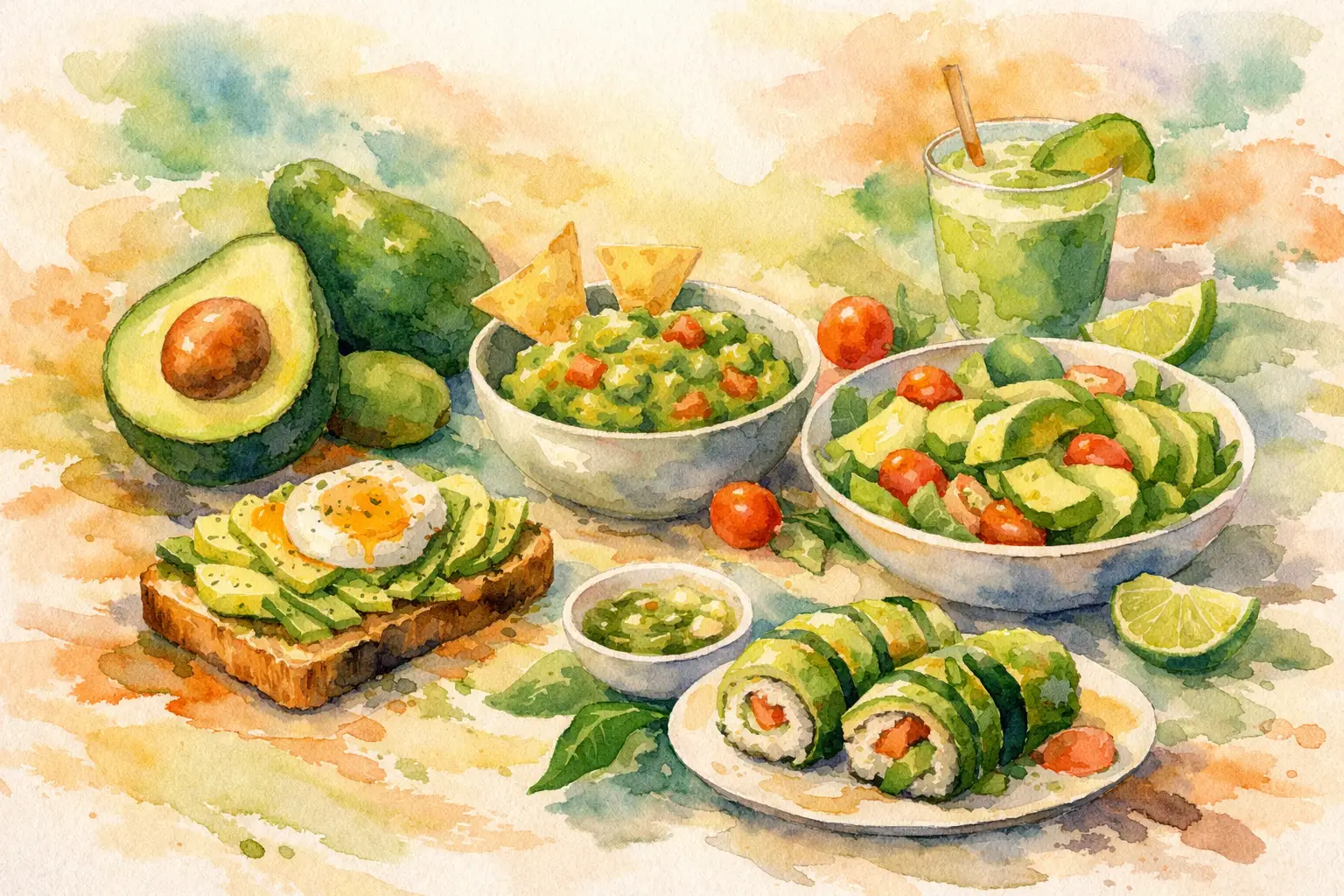
    You can mash them onto toast in minutes, slice them over eggs, tuck them into sandwiches, add them to grain bowls, or turn them into a quick guacamole for vegetables and chips. They also pair well with familiar family foods like burgers, tacos, wraps, chicken, rice, and salads. That matters because families usually do better with small upgrades to meals they already enjoy than with total food overhauls.

    Avocados can also help bridge the gap between convenience and freshness. On a busy weeknight, even a simple add-on can make a meal feel more wholesome. A few slices next to scrambled eggs or folded into a turkey wrap can change the texture, flavor, and nutrition of the meal without adding much effort.

    Are avocados good for families with kids?

    Often, yes, especially because texture can be as important as flavor for children. Avocados have a mild taste and smooth consistency that many kids accept more easily than stronger vegetables. For younger children, mashed avocado can be easy to spread, scoop, or mix into simple foods. For older kids, it works in tacos, quesadillas, sandwiches, and snack plates.

    That said, every child is different. Some kids love avocado immediately. Others reject anything green on sight. Families should not treat avocado as a food they must force. It is better to offer it casually and repeatedly in familiar meals than to make it a battle.

    There is also the cost question, and that is a fair one. Avocados can be more expensive than some other produce items, especially when quality is inconsistent. For many families, the value comes down to whether the fruit is fresh, flavorful, and actually gets eaten. A beautiful avocado that ripens poorly or turns brown before dinner is not a smart buy, no matter how healthy it is.

    Where avocados fit in a balanced diet

    Avocados are healthy, but they are not meant to do all the work. Families still need variety. Fruits, vegetables, proteins, whole grains, dairy or dairy alternatives, and other healthy fats all have a place in a well-rounded routine.

    The real strength of avocado is how it supports balance. It can make lighter meals more satisfying and help replace less nutritious extras. In some cases, families use avocado in place of mayonnaise on sandwiches or as a creamy topping instead of heavier sauces. In others, it simply adds freshness and richness to meals built around lean protein and produce.

    Portion needs also depend on the person. A growing teen athlete, a parent trying to stay full between meetings, and a toddler tasting lunch with tiny bites will all eat differently. Avocado works well because it is easy to adjust. A few slices may be enough for one person, while another may enjoy half or more as part of a larger meal.

    From breakfast to dinner, avocado earns its place

    One reason families keep coming back to avocados is that they are not limited to one kind of meal. They can show up early in the day on toast with eggs, at lunch in wraps or salads, and at dinner alongside grilled meat, rice bowls, or taco night.

    They also work well in family-style eating. Set out sliced avocado, guacamole, or a simple mash with lime and salt, and let each person build their own plate. That gives everyone some choice, which can lower resistance at the table and make meals feel easier.

    For snack time, avocado can be paired with crackers, cucumber slices, carrots, or toast points. It is a simple way to offer something fresh and satisfying without reaching straight for ultra-processed snack foods. That does not mean families should never buy packaged snacks. It just means avocado can help create a better mix.

    Freshness makes a bigger difference than people think

    When people wonder whether avocados are good for families, they are usually thinking about nutrition. But quality matters too. A fresh, well-grown avocado with good flavor and reliable ripeness is easier to use, easier to enjoy, and less likely to go to waste.

    That is especially important for household decision-makers who are trying to stretch their grocery dollars and serve food their family will actually eat. If avocados are stringy, bruised, or inconsistent, they quickly become frustrating. If they are rich, smooth, and ready when needed, they become one of the most useful ingredients in the kitchen.

    That is part of why so many families care where their food comes from. Produce is not just produce. The way it is grown, handled, and brought to the kitchen affects taste, shelf life, and the experience of feeding your family. From Grove to Table is more than a nice phrase. It reflects a desire for food that feels trustworthy and worth serving.

    For families who value American agriculture and want to buy with intention, that connection matters even more. Supporting a domestic family farm can feel like an extension of the same values that guide dinner at home – care, stewardship, and a commitment to Growing Healthy Families.

    When avocados may not be the right fit

    Even good foods are not perfect for every family at every moment. Some households may need to watch their grocery budget closely and choose lower-cost staples first. Others may have family members who simply do not like avocado, and there is no reason to force a food that causes stress at every meal.

    Ripeness can also take planning. If avocados are bought too firm or too late, they may not line up with the week’s meals. That is why sourcing matters so much. Better fruit leads to a better routine.

    Still, for many households, avocados are one of the rare foods that meet both wellness goals and real-life needs. They are nourishing without being fussy, versatile without being boring, and satisfying in a way that helps fresh meals feel like enough.

    If your goal is to serve food that is wholesome, appealing, and easy to use across the week, avocado is a smart ingredient to keep close at hand. Sometimes the best family foods are not the trendiest or the flashiest. They are the ones that make everyday meals simpler, fresher, and a little more joyful.

  • How to Store Fresh Avocados Right

    How to Store Fresh Avocados Right

    You can bring home beautiful avocados and still end up with disappointment a day later. One turns hard as a rock, another goes mushy overnight, and the one you planned for taco night browns before dinner. Knowing how to store fresh avocados makes the difference between wasted fruit and the kind of steady, reliable ripeness that helps you feed your family well.

    At our table, avocados are more than a trend food. They are part of simple, nourishing meals that keep busy households going – sliced onto toast in the morning, added to salads at lunch, and mashed into guacamole for family dinners. When you understand how avocados ripen and what storage method fits each stage, you get better flavor, better texture, and a lot less waste.

    How to store fresh avocados at each stage

    The biggest mistake people make is storing every avocado the same way. Fresh avocados need different handling depending on whether they are hard and unripe, ready to eat, or already cut open.

    If an avocado feels firm and does not give when you press it gently, it is still ripening. That avocado should usually stay on the counter at room temperature. A paper bag can help speed the process, especially if you place an apple or banana nearby, because those fruits release ethylene gas that encourages ripening. If you are not in a hurry, just leave the avocado in a bowl away from direct sunlight and let nature do the work.

    Once the avocado yields slightly to gentle pressure, it is ready or very close. At that point, the refrigerator becomes your best friend. Cold temperatures slow down ripening, which buys you extra time – often a couple of days – before the fruit crosses into overripe territory.

    If the avocado has already been cut, storage becomes less about ripening and more about protecting the flesh from air. Exposure to oxygen causes browning quickly, so your goal is to minimize contact with air and keep the fruit cold.

    Storing unripe avocados on the counter

    For hard avocados, room temperature is usually the right call. A kitchen counter or pantry works well as long as the fruit is kept out of direct sun and away from a hot stove or window. Too much heat can make avocados ripen unevenly, which often means soft spots forming before the center is ready.

    Most unripe avocados will take a few days to soften, though timing depends on how mature they were when picked. Some may be ready in two days, while others need four or five. That is normal. Avocados are one of those foods that reward patience.

    If you want to speed things up, place them in a paper bag. The bag traps natural gases and encourages faster ripening. Avoid plastic bags for this stage because they can hold too much moisture and create a less balanced environment. You want a gentle push toward ripeness, not a damp setup that invites spoilage.

    There is a trade-off here. Faster ripening can be useful when you need avocados for a specific meal, but slower ripening often gives you a wider window to use them. If you are planning meals for the week, it can help to leave some avocados out and refrigerate any that are already nearly ready.

    When to refrigerate fresh avocados

    A ripe avocado should feel slightly soft but not squishy. When you press near the stem end with gentle pressure, it should give a little. That is your signal to move it to the fridge if you are not eating it right away.

    Refrigeration slows the fruit down. This is especially helpful for families who want to spread out use over a few days instead of feeling like every avocado needs to be eaten tonight. If you bought several at once, storing the ripe ones in the fridge while the firmer ones stay out on the counter helps you manage them in stages.

    If an avocado is already overripe, though, the refrigerator will not rescue it. Cold storage can slow further decline, but it cannot bring back a creamy texture once the flesh has started turning stringy, watery, or heavily bruised. Timing matters.

    One simple habit helps a lot here: check your avocados once a day. That quick look and gentle press can save you from missing the sweet spot.

    How to store cut avocados without losing quality

    Cut avocados are where things get tricky. The green flesh starts to brown once exposed to air, and while browning does not always mean the fruit is unsafe, it does affect appearance and flavor.

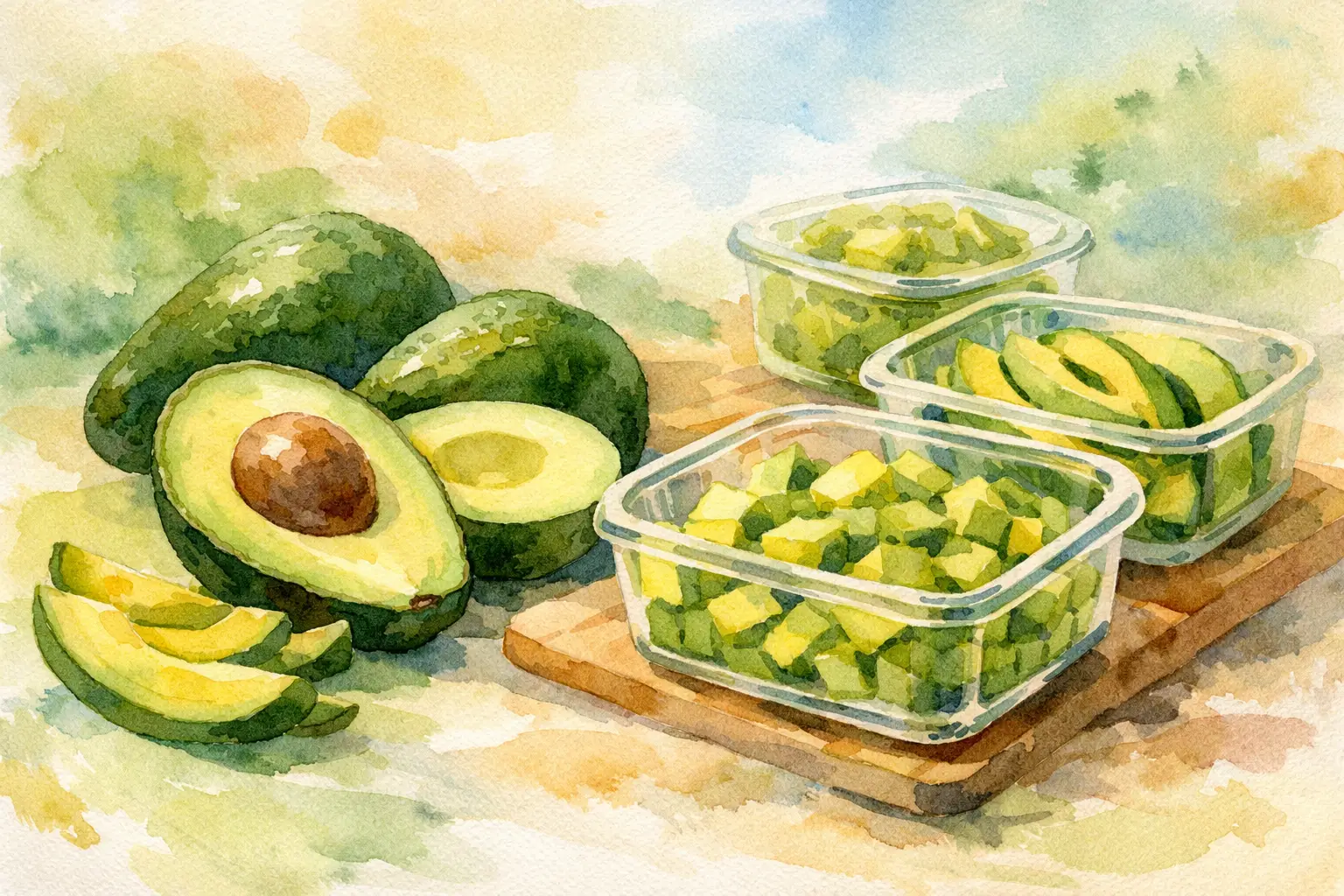
    To store half an avocado, keep the pit in if possible. The pit protects the flesh directly underneath it, though it does not preserve the whole surface on its own. What really helps is pressing plastic wrap tightly against the exposed flesh so there is as little air as possible. Then place the wrapped avocado in an airtight container and refrigerate it.

    A small amount of lemon or lime juice can also help. The acid slows browning and works especially well if you plan to use the avocado in a salad, sandwich, or mash where a little citrus flavor fits naturally. If you are saving it for something more neutral, use a lighter touch so the fruit still tastes like itself.

    Some people store cut avocados with sliced onion in an airtight container. This can help reduce browning, but it may transfer flavor. For some dishes, that is no problem. For others, especially breakfast or smoothies, it may not be what you want.

    The best answer is practical, not perfect: protect the flesh from air, keep it cold, and use it soon. A cut avocado is best eaten within a day or two.

    Can you freeze avocados?

    Yes, but it depends on how you plan to use them. Freezing changes the texture, so thawed avocado will not have the same clean, creamy bite you want for slices or cubes on a salad. It can still work very well in guacamole, spreads, dressings, and smoothies.

    If you want to freeze avocado, mash the flesh with a little lemon or lime juice first. Store it in a freezer-safe airtight container or bag with as much air removed as possible. Label it and freeze it flat if you can, which makes it easier to thaw later.

    This is a good option when you have several ripe avocados at once and know you will not get through them in time. It is not the best method for preserving that just-cut, fresh-from-the-grove eating experience, but it is far better than letting good fruit go to waste.

    What not to do when storing avocados

    A few common habits shorten avocado life faster than people realize. One is refrigerating hard, unripe avocados too early. They may still ripen eventually, but the process slows so much that flavor and texture can suffer.

    Another is leaving ripe avocados on the counter because they still look fine. Once ripe, they can move quickly from perfect to past their prime. The kitchen can be warm, and avocados do not wait around.

    It also helps to avoid storing bruised avocados under heavier produce or crowding them into a bowl where they knock against each other. Gentle handling matters. Fresh produce is not indestructible, and avocados especially benefit from a little care.

    Finally, be careful with food storage hacks that promise miracles. Water baths, overly damp containers, or loosely wrapped halves can create more problems than they solve. Simple methods usually work best.

    How to tell if an avocado is still good

    Good storage helps, but you still need to know when an avocado is worth eating. A ripe avocado should smell mild, feel slightly soft, and have flesh that is green to pale yellow inside. A few brown streaks are not always a deal breaker – you can often cut around them.

    If the fruit smells sour, feels extremely sunken, or has widespread dark, stringy, or slimy flesh, it is time to toss it. The same goes for mold or any off smell once cut open. Trust your senses.

    There is also a middle ground that many home cooks overlook. An avocado that is too soft for neat slices may still be perfect for mashed toast, guacamole, or a dressing. Sometimes using fruit according to its stage is just as important as storing it well.

    A better rhythm for avocado storage

    The easiest way to keep avocados at their best is to think ahead by a day or two. Let firm avocados ripen on the counter. Move ripe ones to the refrigerator. Wrap cut ones tightly and use them soon. Freeze extras only when texture matters less than convenience.

    That rhythm makes healthy meals easier to pull together without last-minute waste. It also lets you enjoy avocados the way they are meant to be enjoyed – rich, fresh, and ready when your family is. From Grove to Table, a little attention goes a long way, and the reward is simple food that tastes the way fresh food should.

  • How to Tell if an Avocado Is Ripe

    How to Tell if an Avocado Is Ripe

    You do not want to cut into an avocado at dinner time and find rubbery green flesh or a stringy brown center. When you are feeding a family, building a healthy lunch, or planning tacos for a busy weeknight, timing matters. Knowing how to tell if an avocado is ripe helps you get better flavor, better texture, and a lot less waste.

    A good avocado should feel like a small win in the kitchen. It should slice cleanly, mash smoothly, and taste rich without turning mushy or bland. The tricky part is that avocados do not all ripen at the same pace, and the outside does not always tell the full story at first glance. That is why a dependable method matters more than guessing.

    How to tell if an avocado is ripe at a glance

    If you need the quick version, start with your hand, not a knife. Hold the avocado in your palm and give it a gentle, even squeeze. A ripe avocado will yield slightly under light pressure, but it should not feel soft, hollow, or collapsed.

    That small bit of give is what you are looking for. If it feels hard as a rock, it needs more time. If your fingers sink in easily, it is likely overripe. The sweet spot is somewhere in between – firm, but ready.

    Color can help, but it depends on the variety. Many Hass avocados turn from bright green to a darker green, often close to black, as they ripen. But color alone can mislead you, especially if you are buying avocados from different growing regions or varieties. A dark avocado is not always a ripe avocado, and a green one is not always unripe.

    The three best ways to check ripeness

    1. Use gentle pressure

    This is the most reliable everyday test. Press lightly near the widest part of the fruit with the full pads of your fingers, not your fingertips. Fingertips can bruise the flesh, and bruising shows up later when you cut it open.

    A ripe avocado should feel slightly soft, like a peach that still has structure. It should never feel squishy. If one side is soft and the other side is firm, ripening may be uneven.

    2. Check under the stem cap

    At the top of the avocado, there is usually a small stem nub or cap. If it comes off easily, look underneath. Green means the avocado is likely ripe or very close. Yellow-green is usually perfect for eating soon. Brown under the cap can mean it has gone too far.

    This trick is useful, but it has limits. If the stem will not come off easily, do not force it. Pulling at it too hard can damage the fruit, and in a store setting, it is not always respectful to handle produce that way. Think of this as a confirming clue, not your only test.

    3. Notice the skin and shape

    Ripe avocados often have skin that looks a little more settled and less glossy than unripe fruit. On Hass avocados, the pebbled skin deepens in color as the fruit softens. The avocado should also feel full and evenly shaped, without deep dents, flat spots, or shriveled ends.

    Wrinkling can be a sign the fruit is losing moisture. Large sunken areas usually point to bruising inside. If the avocado looks tired on the outside, there is a good chance the texture inside will disappoint you too.

    What ripe actually feels like

    Many people ask for a visual rule, but touch is really what separates ripe from almost ripe. A ready avocado has a quiet softness to it. It gives a little, then stops. It still feels solid in your hand.

    That balance matters because different meals call for slightly different stages of ripeness. If you are slicing avocado for salads, burgers, or grain bowls, a firmer ripe avocado is ideal. It will hold its shape and give you clean slices. If you are making guacamole, avocado toast, or a creamy dressing, you may want it just a touch softer.

    So yes, ripe is a range. The best avocado for tonight’s taco bar may be different from the best avocado for tomorrow’s lunch prep.

    How long does it take an avocado to ripen?

    If your avocado is still firm, room temperature is your friend. Most avocados ripen in a few days on the counter, though timing depends on how mature they were when picked and how warm your kitchen is.

    If you want to speed things up, place the avocado in a paper bag. The bag traps natural ethylene gas, which helps the fruit ripen faster. Adding a banana or apple to the bag can move the process along even more. Usually, this takes one to three days.

    If your avocado is already ripe and you are not ready to use it, move it to the refrigerator. Cold temperatures slow down ripening and can buy you a little extra time. That is especially helpful when you are meal planning for the week and trying to avoid waste.

    Common mistakes when judging avocado ripeness

    One of the biggest mistakes is relying on color alone. It is tempting because it is fast, but it is not dependable enough by itself. Some avocados darken before the inside is ready. Others stay greener than expected and are perfectly good inside.

    Another common mistake is squeezing too hard. We have all seen avocados in the store with finger dents pressed into the skin. Those spots often turn brown inside. Gentle pressure tells you what you need to know without damaging the fruit.

    People also confuse soft with ripe. Soft can mean overripe, bruised, or even starting to spoil. A ripe avocado should be responsive, not limp.

    How to spot an overripe avocado

    An overripe avocado usually feels very soft, sometimes with pockets of air or sunken spots. The skin may look overly dark and dry, and the fruit may have a hollow feel when handled.

    Inside, overripe avocados often show brown streaks, gray patches, or a stringy texture. A little browning near the stem is not always a deal breaker, but widespread discoloration usually means the best eating window has passed.

    That does not mean every soft avocado belongs in the trash. If the inside is mostly green and the texture is still creamy, you can cut away a small brown spot and use the rest. But if it smells sour or the flesh looks badly discolored, it is time to let it go.

    Buying avocados for now and later

    If you are shopping for the week, do not buy every avocado at the exact same stage. Pick one or two that are ready soon, and choose a few firmer ones for later meals. That gives you a better rhythm at home and keeps you from racing the clock.

    This is where source matters more than many people realize. Avocados that are handled with care and shipped with freshness in mind tend to ripen more evenly and taste better when they get there. That from grove to table difference is not just a nice phrase. It affects what ends up on your cutting board.

    For families who care about clean eating, less waste, and food with a real story behind it, consistency matters. A good avocado should not feel like a gamble.

    How to tell if an avocado is ripe after cutting it open

    Sometimes the real test comes after the knife goes in. A ripe avocado will have bright green flesh, sometimes fading to pale yellow near the center. It should release easily from the skin and separate cleanly from the pit.

    The texture should be creamy and smooth, not watery, stringy, or stiff. If you have to wrestle the flesh out with a spoon, it was probably not ready. If it collapses into a brown mess, it waited too long.

    The good news is that even a slightly underripe avocado can still be useful. Diced small, it works in salads or salsas where texture matters more than creaminess. A very firm avocado may need another day, but not every less-than-perfect fruit is a total loss.

    A better avocado starts with patience

    There is no secret trick that beats paying attention. A gentle squeeze, a quick look at the skin, and a little patience on the counter will usually tell you what you need to know. Once you start noticing those small signs, choosing a good avocado becomes second nature.

    At Holmes Grown USA, we believe better fruit helps build better meals and healthier family routines. When you know what ripeness feels like, you can plan with confidence, waste less, and enjoy the kind of fresh, satisfying avocado that makes simple food feel special.

    The next time you pick one up, trust your hand more than the label. A ripe avocado will tell you it is ready if you know how to listen.

  • Where to Buy Farm Fresh Avocados

    Where to Buy Farm Fresh Avocados

    If you have ever cut into an avocado that looked perfect on the outside but turned brown, stringy, or watery inside, you already know why people ask where to buy farm fresh avocados. When freshness matters, the source matters too. The best avocados are not just ripe – they are carefully grown, properly handled, and delivered with far less time between the grove and your kitchen.

    For families who care about healthy meals, clean ingredients, and knowing where food comes from, buying avocados should feel less like a gamble. A truly farm fresh avocado has better texture, fuller flavor, and a more reliable ripening window. It is the kind of fruit that turns simple toast, salads, grain bowls, tacos, and guacamole into something worth gathering around.

    Where to buy farm fresh avocados for the best quality

    The short answer is that the best place to buy farm fresh avocados is directly from a farm when that option is available. Buying straight from growers cuts out extra warehouse time, reduces unnecessary handling, and gives you a clearer picture of how the fruit was raised. You are not just buying produce. You are choosing freshness, traceability, and often a stronger connection to American agriculture.

    Farm stands and local farmers markets can also be good options, especially if you live in a growing region such as California. In those settings, you may be able to ask when the avocados were picked, what variety they are, and how to ripen them at home. That kind of conversation is hard to get in a standard grocery aisle.

    Online farm-to-door delivery has become one of the most practical choices for busy households. This is especially true for shoppers who want premium fruit but do not live near an avocado-growing area. When a farm ships in season and packs to protect quality, you can often get a fresher avocado than you would from a store that has moved fruit through several stops before it reaches the shelf.

    Traditional grocery stores still have a place, of course. They are convenient, and sometimes the quality is solid. But grocery avocados can be inconsistent because the path from harvest to display is longer and less personal. If your main goal is the lowest price, the store may work. If your goal is dependable flavor and a better eating experience, direct-from-farm options are usually worth a closer look.

    What makes an avocado truly farm fresh

    Farm fresh does not simply mean local, and it does not always mean picked yesterday. It usually means the fruit moved through a shorter, more intentional chain from harvest to home. That difference shows up in taste, texture, and how evenly the avocado ripens on your counter.

    A quality avocado should feel rich and creamy when ready, not rubbery or hollow. The flavor should be buttery and clean, without bitterness or watered-down flesh. These are small details, but they make a big difference for home cooks who use avocados often and want predictable results.

    Good handling matters just as much as good growing. Avocados bruise easily, and rough storage can affect the inside long before the skin shows it. Farms that ship their own fruit often have more control over timing and packing, which helps protect quality. That is one reason many shoppers notice a difference when they order directly from a family farm rather than buying from a mixed retail display.

    There is also the issue of trust. When you know who grew your food, the purchase feels different. For many American families, that matters. Supporting a domestic farm means your dollars stay closer to the source, and your food story becomes more transparent.

    How to tell if a source is worth buying from

    If you are deciding where to buy farm fresh avocados, a few signs can help you separate a real farm-fresh source from a generic produce seller using nice language. First, look for clarity about where the avocados are grown. A trustworthy seller should be open about location, seasonality, and how the fruit gets from the grove to your home.

    Second, pay attention to whether the business talks about ripening guidance and handling. Sellers who know their fruit well usually help customers understand when to eat it and how to store it. That is a sign they care about the experience after delivery, not just the sale itself.

    Third, look for signs of seasonality rather than year-round sameness. Real farming has rhythms. When a brand acknowledges that certain harvest windows are better than others, it usually suggests a more honest relationship with the land.

    Finally, consider whether the business feels connected to the product. Family farms and grower-led brands often speak with more confidence and more care because the fruit reflects their name and their work. That does not guarantee perfection every time, but it often leads to better standards and more accountability.

    The trade-off between convenience, price, and freshness

    Not every shopper is looking for the same thing, and that is worth saying plainly. Sometimes convenience wins. Sometimes budget does. Sometimes you need avocados today and the supermarket is the only realistic option.

    But if you buy avocados regularly, inconsistency gets expensive fast. A cheaper avocado is not really cheaper if one out of every three ends up bruised inside or spoils before it is ready. Many families would rather pay a bit more for fruit they can count on, especially when it is going into school lunches, weeknight meals, or weekend gatherings.

    Direct farm shipping can cost more upfront, but the value often shows up in quality and reduced waste. You may get a better ripening spread, stronger flavor, and fewer disappointments. For households that use avocados several times a week, that can be the better buy.

    It also depends on what you care about beyond the fruit itself. For some people, supporting American growers, choosing more transparent sourcing, and feeding their family food with a clear origin are part of the value. That is not just sentiment. It is a purchasing decision tied to health, trust, and the kind of food system you want to support.

    Why direct-from-farm avocados appeal to health-conscious families

    Avocados already have a strong place in healthy eating because they are versatile, satisfying, and full of naturally beneficial fats and nutrients. But freshness still shapes the experience. Better avocados make it easier to keep healthy meals simple because they need less rescuing and less guesswork.

    For parents and home cooks, that matters on real weeknights. You want an avocado you can slice over eggs in the morning, mash into a sandwich at lunch, or cube into taco bowls at dinner without wondering what you will find inside. A dependable product takes stress out of meal prep and helps healthy habits stick.

    There is also something meaningful about serving food that came from a farm with a story. When produce is grown with care and shipped from the source, it brings a sense of intention back to the table. That is one reason brands like Holmes Grown USA connect with families who want more than a commodity purchase. They want food that feels honest, nourishing, and rooted in American family farming.

    When farmers markets are the best choice

    Farmers markets can be a great answer if you enjoy shopping in person and you live in a region where avocados are grown or distributed by nearby farms. The biggest advantage is conversation. You can ask questions, compare ripeness stages, and often find out exactly how to handle the fruit at home.

    The downside is availability. Markets are seasonal, inventory can vary, and not every stand is run by the grower. Some vendors resell produce, which is not always bad, but it is different from buying directly from the farm. If the goal is true farm freshness, ask who grew the avocados and when they were harvested.

    For some shoppers, the market experience is part of the joy. For others, regular home delivery is simply easier. Neither choice is wrong. It comes down to how you shop and how much consistency you want week to week.

    A better way to think about where to buy farm fresh avocados

    Instead of starting with price alone, start with the eating experience you want. If you want avocados that taste rich, ripen well, and come from a source you can feel good about, direct-from-farm is often the strongest option. If you want immediate convenience, local grocery stores and markets still have their place, but quality will vary more.

    The best avocado purchase is not just about getting fruit into the cart. It is about bringing home something fresh enough to enjoy, reliable enough to plan around, and thoughtfully grown enough to serve with confidence. When your food comes From Grove to Table with care, the difference is easy to taste.

    A good avocado can make a meal. A great source can change how you shop for one.