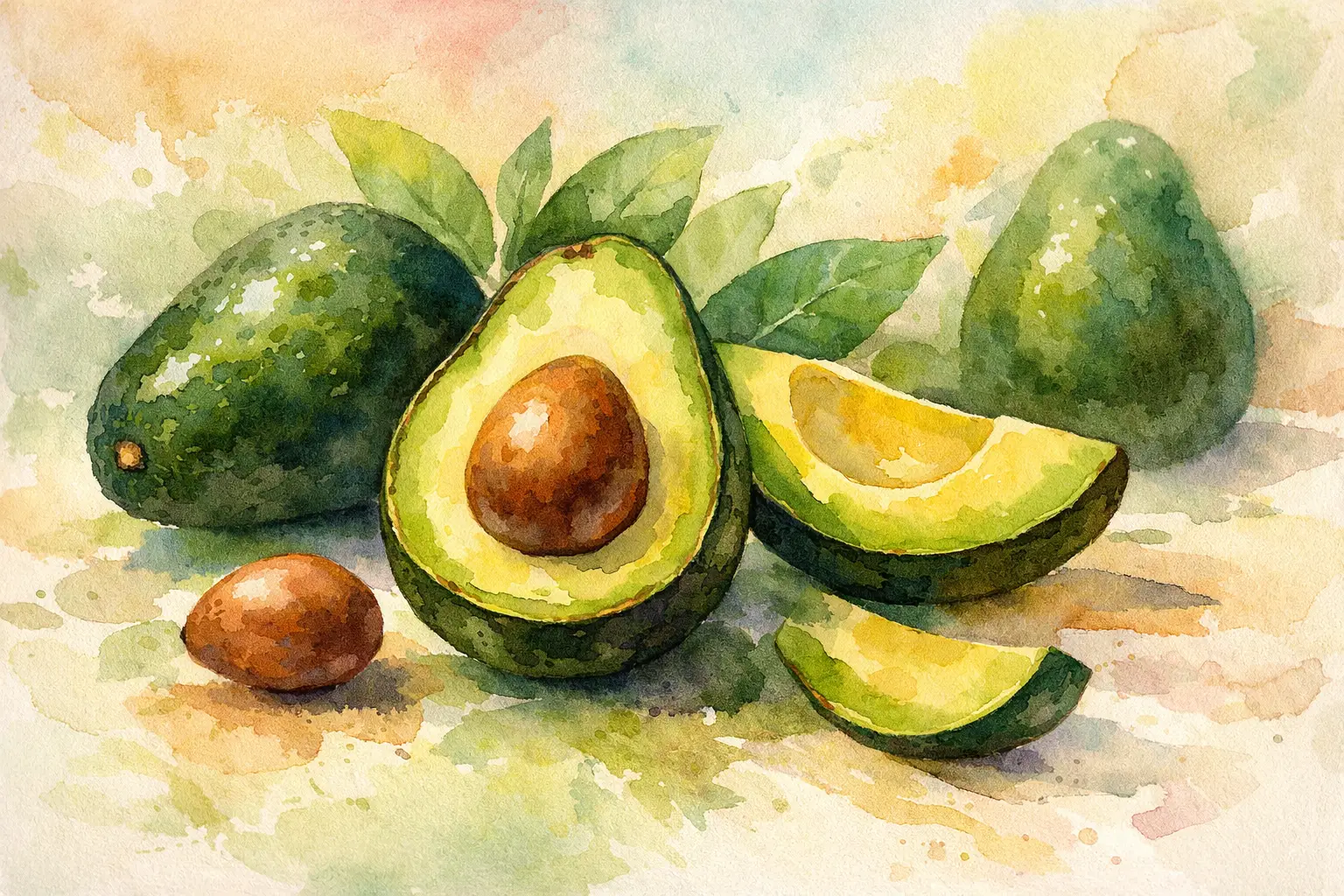
You do not want to cut into an avocado at dinner time and find rubbery green flesh or a stringy brown center. When you are feeding a family, building a healthy lunch, or planning tacos for a busy weeknight, timing matters. Knowing how to tell if an avocado is ripe helps you get better flavor, better texture, and a lot less waste.
A good avocado should feel like a small win in the kitchen. It should slice cleanly, mash smoothly, and taste rich without turning mushy or bland. The tricky part is that avocados do not all ripen at the same pace, and the outside does not always tell the full story at first glance. That is why a dependable method matters more than guessing.
How to tell if an avocado is ripe at a glance
If you need the quick version, start with your hand, not a knife. Hold the avocado in your palm and give it a gentle, even squeeze. A ripe avocado will yield slightly under light pressure, but it should not feel soft, hollow, or collapsed.
That small bit of give is what you are looking for. If it feels hard as a rock, it needs more time. If your fingers sink in easily, it is likely overripe. The sweet spot is somewhere in between – firm, but ready.
Color can help, but it depends on the variety. Many Hass avocados turn from bright green to a darker green, often close to black, as they ripen. But color alone can mislead you, especially if you are buying avocados from different growing regions or varieties. A dark avocado is not always a ripe avocado, and a green one is not always unripe.
The three best ways to check ripeness
1. Use gentle pressure
This is the most reliable everyday test. Press lightly near the widest part of the fruit with the full pads of your fingers, not your fingertips. Fingertips can bruise the flesh, and bruising shows up later when you cut it open.
A ripe avocado should feel slightly soft, like a peach that still has structure. It should never feel squishy. If one side is soft and the other side is firm, ripening may be uneven.
2. Check under the stem cap
At the top of the avocado, there is usually a small stem nub or cap. If it comes off easily, look underneath. Green means the avocado is likely ripe or very close. Yellow-green is usually perfect for eating soon. Brown under the cap can mean it has gone too far.
This trick is useful, but it has limits. If the stem will not come off easily, do not force it. Pulling at it too hard can damage the fruit, and in a store setting, it is not always respectful to handle produce that way. Think of this as a confirming clue, not your only test.
3. Notice the skin and shape
Ripe avocados often have skin that looks a little more settled and less glossy than unripe fruit. On Hass avocados, the pebbled skin deepens in color as the fruit softens. The avocado should also feel full and evenly shaped, without deep dents, flat spots, or shriveled ends.
Wrinkling can be a sign the fruit is losing moisture. Large sunken areas usually point to bruising inside. If the avocado looks tired on the outside, there is a good chance the texture inside will disappoint you too.
What ripe actually feels like
Many people ask for a visual rule, but touch is really what separates ripe from almost ripe. A ready avocado has a quiet softness to it. It gives a little, then stops. It still feels solid in your hand.
That balance matters because different meals call for slightly different stages of ripeness. If you are slicing avocado for salads, burgers, or grain bowls, a firmer ripe avocado is ideal. It will hold its shape and give you clean slices. If you are making guacamole, avocado toast, or a creamy dressing, you may want it just a touch softer.
So yes, ripe is a range. The best avocado for tonight’s taco bar may be different from the best avocado for tomorrow’s lunch prep.
How long does it take an avocado to ripen?
If your avocado is still firm, room temperature is your friend. Most avocados ripen in a few days on the counter, though timing depends on how mature they were when picked and how warm your kitchen is.
If you want to speed things up, place the avocado in a paper bag. The bag traps natural ethylene gas, which helps the fruit ripen faster. Adding a banana or apple to the bag can move the process along even more. Usually, this takes one to three days.
If your avocado is already ripe and you are not ready to use it, move it to the refrigerator. Cold temperatures slow down ripening and can buy you a little extra time. That is especially helpful when you are meal planning for the week and trying to avoid waste.
Common mistakes when judging avocado ripeness
One of the biggest mistakes is relying on color alone. It is tempting because it is fast, but it is not dependable enough by itself. Some avocados darken before the inside is ready. Others stay greener than expected and are perfectly good inside.
Another common mistake is squeezing too hard. We have all seen avocados in the store with finger dents pressed into the skin. Those spots often turn brown inside. Gentle pressure tells you what you need to know without damaging the fruit.
People also confuse soft with ripe. Soft can mean overripe, bruised, or even starting to spoil. A ripe avocado should be responsive, not limp.
How to spot an overripe avocado
An overripe avocado usually feels very soft, sometimes with pockets of air or sunken spots. The skin may look overly dark and dry, and the fruit may have a hollow feel when handled.
Inside, overripe avocados often show brown streaks, gray patches, or a stringy texture. A little browning near the stem is not always a deal breaker, but widespread discoloration usually means the best eating window has passed.
That does not mean every soft avocado belongs in the trash. If the inside is mostly green and the texture is still creamy, you can cut away a small brown spot and use the rest. But if it smells sour or the flesh looks badly discolored, it is time to let it go.
Buying avocados for now and later
If you are shopping for the week, do not buy every avocado at the exact same stage. Pick one or two that are ready soon, and choose a few firmer ones for later meals. That gives you a better rhythm at home and keeps you from racing the clock.
This is where source matters more than many people realize. Avocados that are handled with care and shipped with freshness in mind tend to ripen more evenly and taste better when they get there. That from grove to table difference is not just a nice phrase. It affects what ends up on your cutting board.
For families who care about clean eating, less waste, and food with a real story behind it, consistency matters. A good avocado should not feel like a gamble.
How to tell if an avocado is ripe after cutting it open
Sometimes the real test comes after the knife goes in. A ripe avocado will have bright green flesh, sometimes fading to pale yellow near the center. It should release easily from the skin and separate cleanly from the pit.
The texture should be creamy and smooth, not watery, stringy, or stiff. If you have to wrestle the flesh out with a spoon, it was probably not ready. If it collapses into a brown mess, it waited too long.
The good news is that even a slightly underripe avocado can still be useful. Diced small, it works in salads or salsas where texture matters more than creaminess. A very firm avocado may need another day, but not every less-than-perfect fruit is a total loss.
A better avocado starts with patience
There is no secret trick that beats paying attention. A gentle squeeze, a quick look at the skin, and a little patience on the counter will usually tell you what you need to know. Once you start noticing those small signs, choosing a good avocado becomes second nature.
At Holmes Grown USA, we believe better fruit helps build better meals and healthier family routines. When you know what ripeness feels like, you can plan with confidence, waste less, and enjoy the kind of fresh, satisfying avocado that makes simple food feel special.
The next time you pick one up, trust your hand more than the label. A ripe avocado will tell you it is ready if you know how to listen.
Leave a Reply