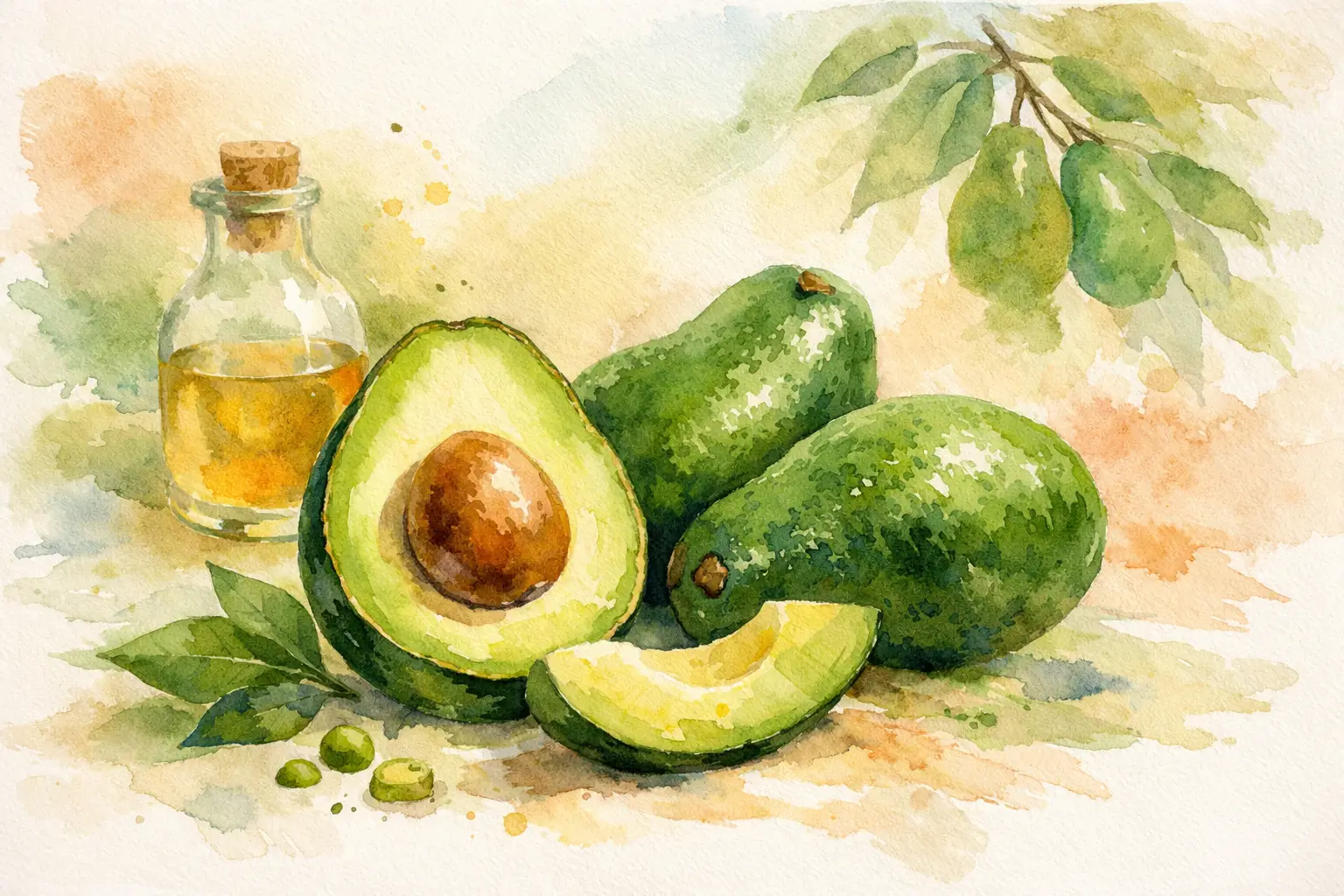
A lot of foods get called healthy without earning the title. Avocados are different. When people search for avocado nutrition facts, they are usually trying to answer a practical question – is this fruit really as good for my family as everyone says, and how does it fit into everyday meals? The short answer is yes, but the real value is in understanding why.
Avocados bring together the kind of nutrition many families are looking for: satisfying healthy fats, helpful fiber, and a range of vitamins and minerals in a whole food that tastes good and works at breakfast, lunch, dinner, and snack time. That matters when you are trying to build meals around ingredients that support energy, fullness, and better habits at home.
Avocado nutrition facts at a glance
A medium avocado is nutrient-dense, which means it packs a lot of nourishment into a relatively simple ingredient. While exact numbers vary by size and variety, one medium avocado generally contains around 240 calories, about 22 grams of fat, roughly 12 to 13 grams of carbohydrates, and close to 10 grams of fiber. It also provides around 3 grams of protein.
Those numbers tell an important story. First, avocados are not low-fat, and that is not a flaw. The fat in avocados is mostly monounsaturated fat, the kind commonly associated with heart-smart eating patterns. Second, the fiber content is unusually strong for such a creamy, satisfying food. That combination of fat and fiber is a big reason avocados tend to keep people fuller longer than many processed snacks or low-nutrient sides.
Avocados also contain key micronutrients, including potassium, folate, vitamin K, vitamin E, vitamin C, and several B vitamins. In plain terms, they do more than add richness to a sandwich or salad. They contribute meaningful nutrition while making meals feel more complete.
Why the fat in avocados is a good thing
For years, many shoppers were taught to fear fat. That old habit still shows up when someone looks at an avocado and wonders whether it is too rich to be part of a healthy routine. The better question is what kind of fat you are eating and what role it plays in the bigger picture of your diet.
The majority of fat in avocados is monounsaturated. This type of fat is often linked with balanced eating patterns that support heart health when used in place of more heavily processed or less favorable fats. It also helps make food satisfying. A meal with avocado often feels steadier and more substantial, which can help reduce the urge to keep grazing an hour later.
There is also a practical benefit at the table. Fat helps your body absorb certain fat-soluble vitamins, including vitamins A, D, E, and K. So when you add avocado to a salad, grain bowl, or plate of roasted vegetables, you are not just improving flavor and texture. You may also be helping your body make better use of the nutrients in the rest of the meal.
Fiber, fullness, and everyday wellness
One of the most useful avocado nutrition facts is the fiber content. Many Americans do not get enough fiber, and that gap can affect digestion, blood sugar balance, and fullness after meals. Avocados help close that gap in a way that feels easy, not forced.
Fiber supports digestive health and can help meals feel more satisfying. That is especially useful for busy families trying to avoid the cycle of sugar highs, snack crashes, and constant hunger. Spread avocado on toast in the morning, add slices to a turkey wrap at lunch, or serve it alongside grilled chicken and vegetables at dinner, and you have an ingredient that adds both comfort and staying power.
This is also where context matters. Avocados are calorie-dense compared with watery vegetables like cucumbers or lettuce, but they are also far more filling. A smaller portion of avocado can go a long way because it brings richness, fiber, and fat all at once.
Vitamins and minerals worth knowing
Potassium
Many people associate potassium with bananas, but avocados are a strong source too. Potassium helps support normal muscle function, fluid balance, and healthy blood pressure. For families trying to eat more whole foods and fewer heavily salted packaged options, potassium-rich produce can be part of a better everyday pattern.
Folate
Folate plays a role in cell growth and metabolism, making it especially important during stages of growth and development. It is one more reason avocados fit naturally into a nutrient-conscious family kitchen.
Vitamin K and vitamin E
Vitamin K supports normal blood clotting and bone health, while vitamin E acts as an antioxidant. These are not the flashy nutrients that usually make headlines, but they still matter when you are choosing foods that contribute to long-term wellness.
Vitamin C and B vitamins
Avocados also provide vitamin C and several B vitamins in smaller but meaningful amounts. No single fruit has to do everything. The strength of avocado is that it contributes across the board while pairing well with many other nutritious foods.
How many calories are in an avocado?
This is one of the most common parts of avocado nutrition facts, and it deserves a straightforward answer. A whole medium avocado often lands around 240 calories, though smaller avocados may be lower and larger ones may be higher. If you eat a third or half at a time, the calorie count drops accordingly.
For some people, that number sounds high for a fruit. But calories alone do not tell you whether a food is worth eating. What matters is what comes with those calories. In the case of avocados, you are getting fiber, healthy fats, and a broad mix of nutrients in a minimally processed food. That is very different from getting the same calories from chips, pastries, or sugary snacks.
If you are watching portions, half an avocado is often a practical serving. It adds enough creaminess and flavor to make a meal feel special without overdoing it. On the other hand, if avocado is replacing a less nutritious spread or side, a full avocado may fit just fine depending on the rest of your plate.
Avocado nutrition facts and family meals
Avocados earn their place in family meals because they are both nutritious and flexible. You can mash them onto toast, blend them into smoothies, fold them into egg dishes, spoon them over tacos, or slice them into salads and grain bowls. Their mild flavor makes them easy for kids and adults alike.
They also help bridge the gap between healthy and satisfying. Plenty of nutritious foods are good for us but do not always feel comforting enough to keep on repeat. Avocados do both. They bring the kind of richness that makes wholesome meals feel complete.
That is part of what From Grove to Table really means. Good food should not feel like a compromise. It should nourish your family and still be something everyone wants to eat.
What avocado nutrition facts do not tell you
Nutrition labels and food databases are useful, but they do not capture everything. They cannot tell you how fresh an avocado tastes when it is harvested with care. They cannot show the difference between fruit that ripens beautifully and fruit that disappoints on the counter. And they cannot measure the peace of mind that comes from knowing where your food was grown.
That matters because people do not buy avocados for numbers alone. They buy them for breakfasts that hold everyone over until lunch, for easy dinners after long days, and for the small satisfaction of feeding the people they love something real.
It is also fair to say that avocados are not the answer to every nutrition goal. If someone is following a very low-fat diet for a specific medical reason, portion size may matter more. If someone needs higher protein meals, avocado works best alongside eggs, yogurt, beans, fish, or lean meats rather than as the main event. Healthy eating is rarely about one food. It is about patterns.
The bottom line on avocado nutrition facts
If you want a whole food that brings healthy fats, fiber, and a strong mix of vitamins and minerals to the table, avocados are hard to beat. They support fullness, fit naturally into real meals, and make healthy eating feel generous instead of restrictive.
The best foods are the ones that nourish your body and actually belong in your life. Avocados do that beautifully, and when they are fresh, well-grown, and enjoyed at the right moment, they remind us that feeding a family well can still be simple.
Leave a Reply