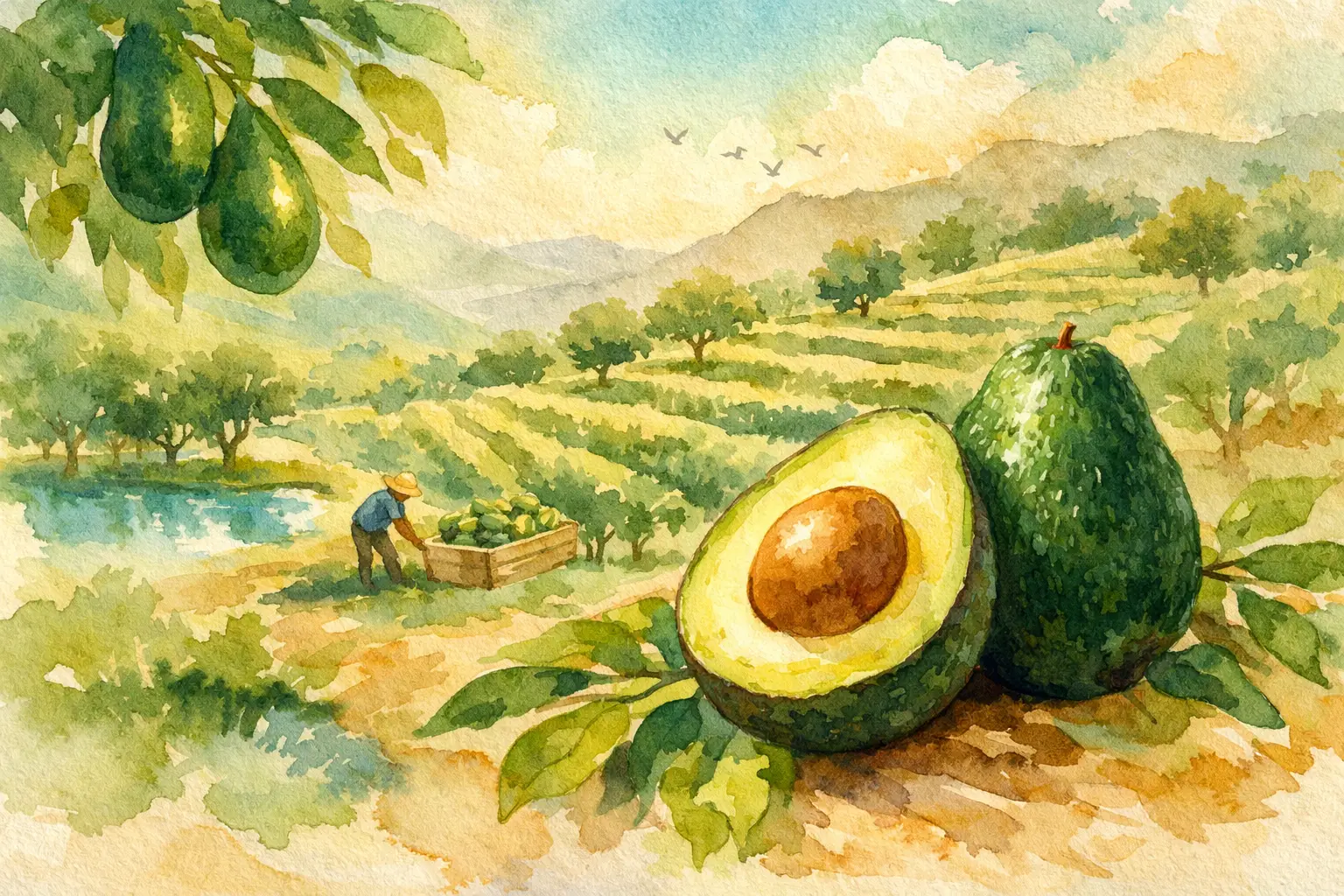
A ripe avocado should feel simple – fresh, nourishing, and ready for the family table. But behind every great piece of fruit is a set of farming choices that shape the land, the water supply, and the future of the people growing it. That is why sustainable avocado farming matters so much, especially for families who want to eat well and feel confident about where their food comes from.
For many shoppers, sustainability can sound like a broad promise. On a real farm, it is much more practical than that. It means caring for the grove in a way that produces excellent fruit today without wearing out the soil, wasting water, or pushing short-term production ahead of long-term health. When a farm takes that responsibility seriously, the result is not only better stewardship. It often shows up in taste, consistency, and trust.
What sustainable avocado farming really means
At its core, sustainable avocado farming is about balance. A grower has to produce a healthy crop while protecting the natural systems that make that crop possible in the first place. For avocados, that usually starts with water, soil, and responsible land management.
Avocado trees are valuable perennial crops. They are not planted one season and removed the next. A grove represents years of care, planning, and patience. That long timeline naturally changes the way family farmers think. If you expect to hand land down to the next generation, you do not treat it like something disposable. You care for it with the future in mind.
That mindset matters in California, where growing conditions can be exceptional but resources must be managed carefully. Sunshine and mild weather support beautiful fruit, yet water stewardship is always part of the conversation. Sustainable practices are not about chasing a trend. They are about making sure farming remains possible, responsible, and productive for years to come.
Water is the biggest part of the conversation
When people talk about avocados and sustainability, water usually comes first, and for good reason. Avocado trees need reliable moisture to produce high-quality fruit. But there is a big difference between using water and using it wisely.
Responsible farms pay close attention to irrigation timing, soil moisture, and seasonal conditions. Instead of treating every part of the grove the same way, growers can monitor what trees actually need and avoid overwatering. This protects a limited resource and helps the trees stay healthier. Too much water can be just as harmful as too little, leading to stress in the root zone and weaker overall performance.
This is one of those areas where sustainability and quality often go hand in hand. Careful irrigation does not simply reduce waste. It supports more consistent growing conditions, which can improve fruit development. For families buying avocados, that may sound like a farm-level detail. In reality, it affects what arrives in the kitchen.
Healthy soil grows better fruit
Soil does a lot more than hold a tree in place. It stores water, cycles nutrients, supports root health, and helps buffer the grove against stress. When soil is treated well, the entire farm becomes more resilient.
That is why sustainable avocado farming includes practices that protect soil structure and organic matter. Growers may focus on reducing erosion, returning natural material to the ground, and avoiding unnecessary disturbance. Over time, those choices help the soil hold moisture more effectively and support stronger trees.
There is a practical trade-off here. Soil-building practices take time. They do not always deliver the kind of instant visible result that quick-fix inputs can promise. But farming is rarely improved by shortcuts that ignore the long game. Strong soil is one of the clearest signs that a farm is being managed for lasting health, not just immediate output.
Sustainability is also about how a farm thinks
People often picture sustainability as a list of techniques, but it is really a philosophy of care. The question is not only what a farm does. It is why it does it.
A family farm tends to see the grove as part of its identity, not just its inventory. That changes decision-making. The land is tied to memory, effort, and responsibility. The harvest supports real households. The next season matters, but so does the next decade.
That perspective can make a difference in how fruit is grown, handled, and shared with customers. When growers are proud of their name and legacy, they tend to be more transparent and more invested in the experience families have with their food. Holmes Grown USA is built on that kind of belief – that growing healthy families begins with how we care for the grove itself.
Why domestic farming matters in a sustainability conversation
Sustainability is not only about on-farm practices. It is also about supply chains, accountability, and food miles. For many American families, supporting domestic agriculture is part of making a more thoughtful food choice.
When food comes from a US family farm, customers often have a clearer sense of origin and seasonality. They can better understand when fruit is harvested, how it is handled, and who is responsible for quality. That transparency is harder to find in anonymous commodity channels where produce may pass through many hands before reaching the store.
Domestic farming is not automatically more sustainable in every case. Farming always depends on location, climate, and management. But shorter, more transparent supply chains can reduce uncertainty and help buyers align their purchases with their values. For families who want fresher fruit and a stronger connection to American agriculture, that matters.
The quality question: does sustainability affect taste?
It is fair to ask whether sustainability changes the eating experience or if it is simply a values issue. The honest answer is that it can affect both.
A well-managed grove tends to produce fruit under steadier conditions. Healthy trees, thoughtful irrigation, and strong soil management all contribute to overall fruit quality. That does not mean every sustainable farm grows identical avocados or that every challenge disappears. Weather, harvest timing, and seasonal variation still matter. Farming always has variables.
But in general, fruit raised with care and harvested with attention has a better chance of delivering the creamy texture, clean flavor, and reliable ripening families want. Sustainability is not a marketing layer added after the fact. It is often part of the reason the fruit performs well in the first place.
What shoppers should look for
Most families are not trying to become agricultural experts. They simply want to make better choices without overcomplicating the grocery process. A few simple questions can help.
Start with origin. Knowing where avocados are grown gives useful context about seasonality and oversight. Then look for signs that the farm speaks clearly about its growing practices, freshness, and values. Farms that care deeply about stewardship usually talk about it in plain language because it is part of how they operate, not just a slogan.
It also helps to pay attention to ripeness experience and consistency over time. If avocados arrive fresher, ripen more reliably, and taste better, that often reflects decisions made long before harvest. Good farming shows up at the table.
Sustainable avocado farming and the family table
The most meaningful part of sustainability may be the simplest one. It connects the health of the land to the health of the home. When families choose food that is grown with care, they support a system that values nourishment, responsibility, and continuity.
That connection is easy to miss in a fast-moving food culture where convenience often overshadows source. Yet some of the best meals begin with a different question: who grew this, and how? Avocados are more than a trend ingredient. They are a nutrient-dense staple that can fit breakfast, lunch, dinner, and everything in between. When they come from a farm committed to doing things the right way, they carry more than flavor. They carry integrity.
Sustainable avocado farming will never be about one perfect method or one tidy claim. It depends on climate, region, resources, and the judgment of growers who know their land well. But the bigger idea is steady and worth holding onto: when farms care for water, soil, trees, and future generations, everyone benefits – from the grove to the table.
The next time you cut into a perfectly ripe avocado, remember that good fruit is rarely an accident. It is the result of patient hands, careful choices, and a belief that feeding families well should never come at the expense of the land that makes it possible.
Leave a Reply