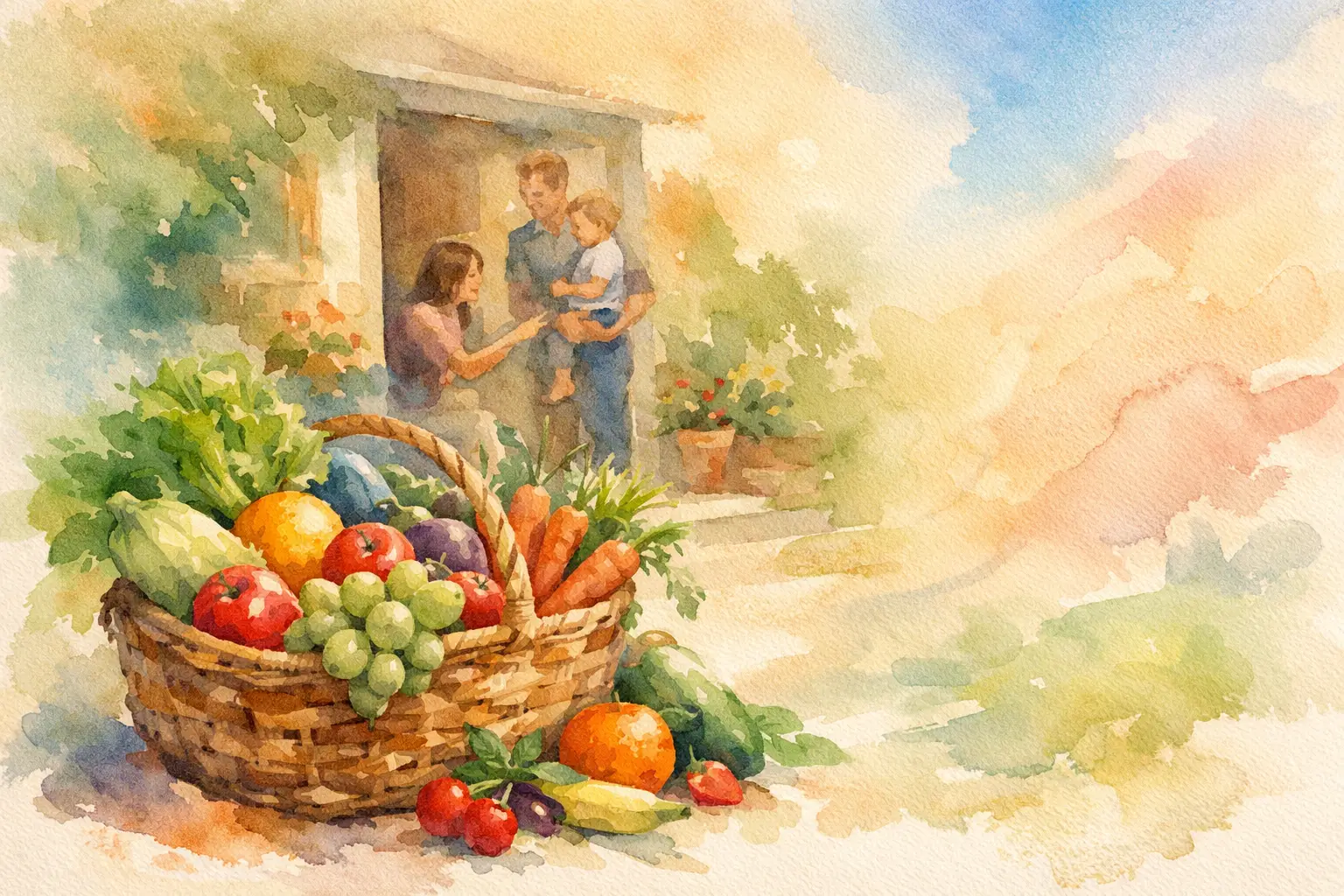
The 4 p.m. question is familiar in busy homes: what can we make that is quick, filling, and something everyone will actually eat? A thoughtful produce delivery for families can make that moment less stressful. When fresh ingredients are already in the kitchen, healthy meals are not a grand plan for someday. They are right there on the counter, ready for school lunches, after-school snacks, and dinner.
For families who care about what they serve, the value is bigger than avoiding another grocery run. It is about choosing food with a known source, building better everyday habits, and giving children a clear picture of where real food begins. Fresh produce has a way of bringing everyone back to the table.
Why Produce Delivery for Families Matters
The average family does not need more complicated meal rules. They need ingredients that work hard across the week. A ripe avocado can become toast at breakfast, a creamy addition to a smoothie, a lunchbox side, taco night guacamole, or a simple topping for grilled chicken and rice. The best produce earns its place because it is flexible, nourishing, and easy to enjoy.
Delivery also helps protect the intention behind a grocery list. It is easy to walk into a store planning to buy fresh food and leave with a cart shaped by convenience, crowds, and a long day. Ordering directly from a farm or trusted grower creates a more deliberate routine. You know what is coming, you can plan meals around it, and you are less likely to let good intentions get buried under a busy schedule.
For parents, source transparency matters too. Families increasingly want to know who grew their food, how far it traveled, and whether the people behind it share their values. American family farms offer more than produce. They carry knowledge passed from one generation to the next, along with a personal stake in doing right by the land and the people they feed.
Freshness Changes How a Family Eats
Not all produce arrives in your kitchen with the same potential. Time in warehouses, distribution centers, and store displays can leave delicate fruits with a shorter window of great flavor. Farm-direct delivery can reduce some of that time between harvest and home, giving families a better chance to enjoy produce when it is at its best.
With avocados, timing is especially meaningful. A good avocado should be rich, buttery, and satisfying, not stringy, bruised, or suddenly overripe the moment you bring it home. Reliable quality lets a parent plan with confidence. Instead of buying several and hoping a few are usable, you can build meals around fruit selected and packed with care.
That does not mean every delivery is a magic answer. Seasonal growing conditions affect availability, and fresh produce still needs attention once it arrives. A box of beautiful fruit is most helpful when your household has a simple plan for it. The goal is not perfection. The goal is to make wholesome choices easier to repeat.
A practical rhythm for your delivery
When a produce box arrives, take two minutes to look through it. Set aside fruit that is ready to enjoy soon, then keep firmer items for later in the week. For avocados, leaving firm fruit at room temperature allows it to soften naturally. Once ripe, refrigeration can help hold that perfect eating window for a few more days.
Next, assign a few meals before the week gets away from you. Think in moments rather than recipes: breakfast, packed lunches, snack time, and dinner. An avocado can fit all four without asking you to prepare four different dishes. Mash it with a little lemon and salt for toast, slice it into a turkey wrap, serve it with crackers and fruit, or add it to a grain bowl at dinner.
This small bit of planning is what turns delivered produce from a nice purchase into food your family truly uses.
What to Look for in Family Produce Delivery
Convenience matters, but it should not be the only standard. The right delivery option respects both your time and your expectations for quality. Look for clear information about where the produce is grown, how it is handled, and what you can expect when it reaches your door.
A few details deserve attention. First, consider seasonality. Produce grown in season often has the best flavor and a more natural harvest rhythm. If a farm opens ordering during its harvest season, that is often a sign that it is working with the land rather than forcing year-round availability.
Second, understand ripeness. Some households want fruit ready for the weekend; others want a mix that will last through several meals. A grower that communicates clearly about ripeness helps you choose with less guesswork. This is particularly valuable for avocados, where a day or two can make all the difference.
Third, consider the relationship behind the box. There is a meaningful difference between anonymous produce and fruit from a grower willing to put its family name behind the harvest. At Holmes Grown USA, that connection reflects a second-generation commitment to caring for the grove and sending premium California avocados from grove to table.
Finally, be honest about your household’s pace. A large delivery may offer value for a family that cooks often, hosts friends, or loves meal prep. A smaller order may be wiser if your week includes travel, late practices, or meals away from home. Buying the right amount is part of reducing food waste.
Make Avocados an Everyday Family Food
Avocados are often associated with guacamole, and for good reason. But limiting them to one bowl on taco night misses a chance to make everyday meals more satisfying. Their naturally creamy texture can help simple foods feel more substantial, especially for children who are still learning to enjoy a wider range of whole foods.
At breakfast, a halved avocado with egg and whole-grain toast offers a calm, filling start. For younger kids, mashed avocado can be spread thinly on toast strips or tucked into a quesadilla. At lunch, diced avocado brings freshness to a salad, sandwich, or rice bowl. For dinner, it balances spicy chili, grilled fish, burgers, and roasted vegetables.
It also helps to give children a role. Let them choose between slices or a mash, stir a simple guacamole, or add avocado to their own plate. Kids do not have to love every food immediately. Familiarity matters. Seeing a food often, touching it, and helping prepare it can make the table feel less like a test and more like a shared family space.
Keep it simple enough to repeat
The meals that support healthy families are rarely the most elaborate ones. A bowl of beans, rice, salsa, shredded chicken, and avocado can be dinner. Scrambled eggs with avocado and fruit can be dinner too. On the nights when everyone is tired, simple is not settling. Simple is how good food becomes part of real life.
That is also where produce delivery can quietly make a difference. When quality ingredients arrive with a clear purpose, the kitchen feels more prepared. You are not chasing an ideal version of family meals. You are creating a dependable rhythm around food that tastes good and makes people feel cared for.
The next time fresh produce arrives at your door, place a few pieces where your family will see them. Let a ripe avocado become the easy choice on a busy morning, the extra color at lunch, or the ingredient that brings everyone around dinner together. Those small choices are how healthy family traditions grow.
Leave a Reply