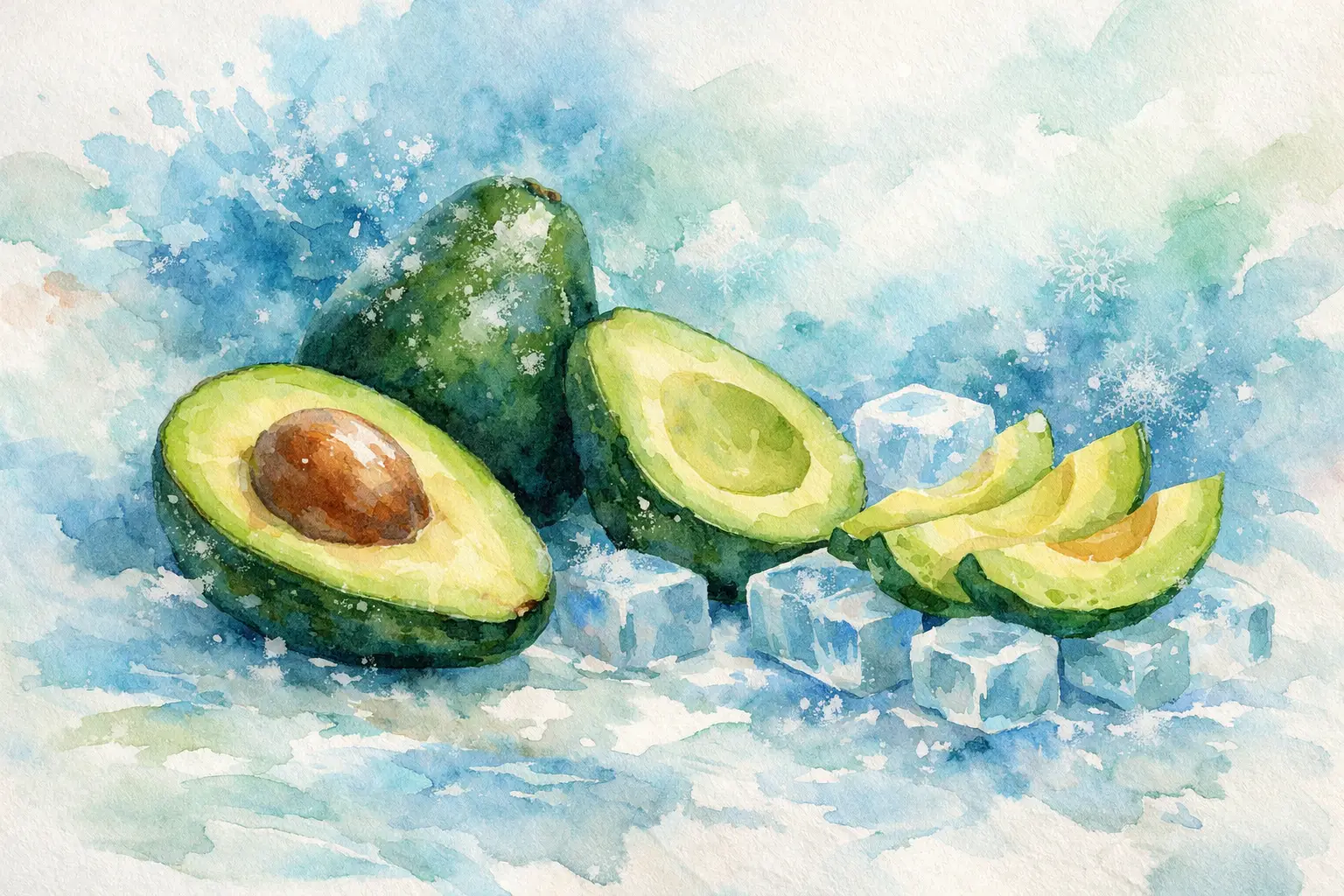
That perfectly ripe avocado has a short window. One day it is firm, creamy, and ready for toast; the next, it can be softer than your dinner plans allow. So, can you freeze fresh avocados? Absolutely. Freezing is a smart way to save ripe fruit for later, especially when you want wholesome ingredients ready for busy family breakfasts, lunches, and dinners.
The honest answer comes with one small trade-off: frozen avocado will not thaw with the exact firm, sliceable texture of a freshly ripened avocado. It keeps its rich flavor and nourishing fats beautifully, but it becomes softer after thawing. That makes it ideal for smoothies, guacamole, dressings, dips, baking, and creamy sauces. For a picture-perfect salad or avocado toast with neat slices, fresh is still best.
Can You Freeze Fresh Avocados Whole?
You can freeze an avocado whole, but we do not recommend it. The peel offers some protection, yet a whole avocado freezes and thaws unevenly. It is also harder to remove the pit and peel once frozen, and the flesh is more likely to brown or turn watery when it thaws.
A little preparation makes a meaningful difference. Start with avocados that are ripe but not overripe. They should yield gently when pressed in the palm of your hand, without deep soft spots or a mushy feel. If an avocado is still hard, let it ripen on the counter first. Freezing pauses ripening – it does not improve an underripe avocado later.
When you have fruit at its peak, that is the moment to preserve it. It is one of the simplest ways to honor good food rather than letting it go to waste.
The Best Way to Freeze Fresh Avocados
The method depends on how you plan to use them. Halves are useful when you want flexibility for guacamole or a quick mash. Cubes are convenient for smoothies. Mashed avocado is the easiest option for spreads, dressings, and baking.
No matter which form you choose, the goal is the same: limit the avocado’s contact with air. Exposure to oxygen causes browning, even in the freezer. A little citrus juice and airtight packaging help preserve the bright green color.
Freeze avocado halves
Cut the avocado in half, remove the pit, and peel away the skin. Brush or lightly coat the exposed flesh with lemon or lime juice. You do not need much – about a teaspoon per avocado is plenty. The citrus adds a fresh flavor while helping slow discoloration.
Place the halves cut-side up on a parchment-lined baking sheet and freeze until solid, usually two to three hours. Then move them into a freezer-safe airtight container or freezer bag. Press as much air out of the bag as possible before sealing, and label it with the date.
Freezing the halves individually first prevents them from sticking together. It also means you can take out only what you need instead of thawing an entire bag.
Freeze avocado cubes
For smoothie-ready portions, peel ripe avocados and cut the flesh into cubes. Toss the cubes gently with a small amount of lemon or lime juice. Spread them in a single layer on a parchment-lined baking sheet, freeze until firm, then transfer them to an airtight freezer bag.
This is a particularly helpful method for mornings when you want real-food convenience. Add frozen avocado cubes directly to a blender with fruit, greens, yogurt, or milk of choice. They create a creamy texture without needing ice, and there is no waiting for an avocado to ripen.
Freeze mashed avocado
Mashed avocado is the most practical choice for many home cooks. Scoop the flesh into a bowl, add lemon or lime juice, and mash it to your preferred texture. For every avocado, use roughly one teaspoon of citrus juice. A pinch of salt is fine if you already know the avocado will be used in savory dishes, but it is not necessary for freezing.
Spoon the mash into small freezer-safe containers or bags. Flatten freezer bags into thin layers before freezing. They take up less space, freeze quickly, and thaw more evenly. Portioning in half-cup or one-avocado amounts can make weeknight meals easier to manage.
If using a container, press a piece of plastic wrap directly onto the surface of the avocado before adding the lid. This extra barrier reduces air exposure and helps preserve its color.
How Long Do Frozen Avocados Last?
Frozen avocados are best used within four to six months. They remain safe beyond that point when kept consistently frozen, but their flavor, color, and texture gradually decline. For the best From Grove to Table experience, use them while they still taste bright and creamy.
A clear label matters more than it may seem. Write the date and the form – halves, cubes, or mashed – on every package. Six weeks from now, you will know exactly what is ready for a smoothie and what is waiting to become guacamole.
Keep avocados toward the back of the freezer, where temperatures are steadier. Avoid storing them in the door, which warms up each time it is opened.
How to Thaw Frozen Avocado
For dips, spreads, and recipes, thaw avocado in the refrigerator overnight or for several hours. If you need it sooner, place the sealed bag or container in a bowl of cool water. Once thawed, use it within a day or two and keep it refrigerated.
Expect some separation or softness after thawing. That is normal. Stir mashed avocado well, or give thawed halves a quick mash before using. If a little liquid collects in the package, drain it off or stir it into a sauce or smoothie.
Frozen avocado cubes do not need to thaw before blending. For smoothie lovers, this is where freezing truly shines. The cubes blend into a thick, satisfying drink while bringing the gentle, buttery richness that makes avocado such a family favorite.
Do not refreeze avocado after it has thawed. Take only the portion you expect to use, both for food quality and safe handling.
What Frozen Avocado Is Best For
Think of frozen avocado as an ingredient rather than a garnish. Its thawed texture is softer, so it performs best where creaminess matters more than clean slices.
It works especially well in these everyday favorites:
- Green smoothies, berry smoothies, and protein shakes
- Guacamole, avocado dip, and creamy sandwich spreads
- Salad dressings, sauces, and blended soups
- Brownies, muffins, and other baked goods that benefit from moisture
For guacamole, let the avocado thaw in the refrigerator, then add fresh lime juice, salt, diced onion, cilantro, tomato, or jalapeno. The seasonings restore that just-made brightness. If you have a fresh avocado available, combining one fresh avocado with frozen thawed avocado gives you a little more texture while stretching your ingredients further.
Frozen avocado is less suited to recipes where appearance and firmness lead the way, such as avocado slices on a grain bowl, a composed salad, or elegant toast. You can still use it in a pinch, but it will be softer and may look slightly darker than freshly cut fruit.
A Few Mistakes to Avoid
The biggest mistake is freezing avocados past their prime. Very soft fruit with dark, stringy, or browned areas will not improve in the freezer. Cut away small bruised spots if the rest is good, but compost fruit that smells off or has widespread discoloration.
Another common mistake is skipping the citrus and airtight packaging. An avocado may still be perfectly usable, but browning can be more noticeable after thawing. Finally, avoid packing too much into one large container. Smaller portions protect quality and make healthy choices easier when time is short.
At Holmes Grown USA, we believe food tastes better when you know it was grown with care and shared with the people around your table. Freezing a few ripe avocados is a simple act of care, too – a way to keep good ingredients close at hand for the meals that bring your family together.
Leave a Reply