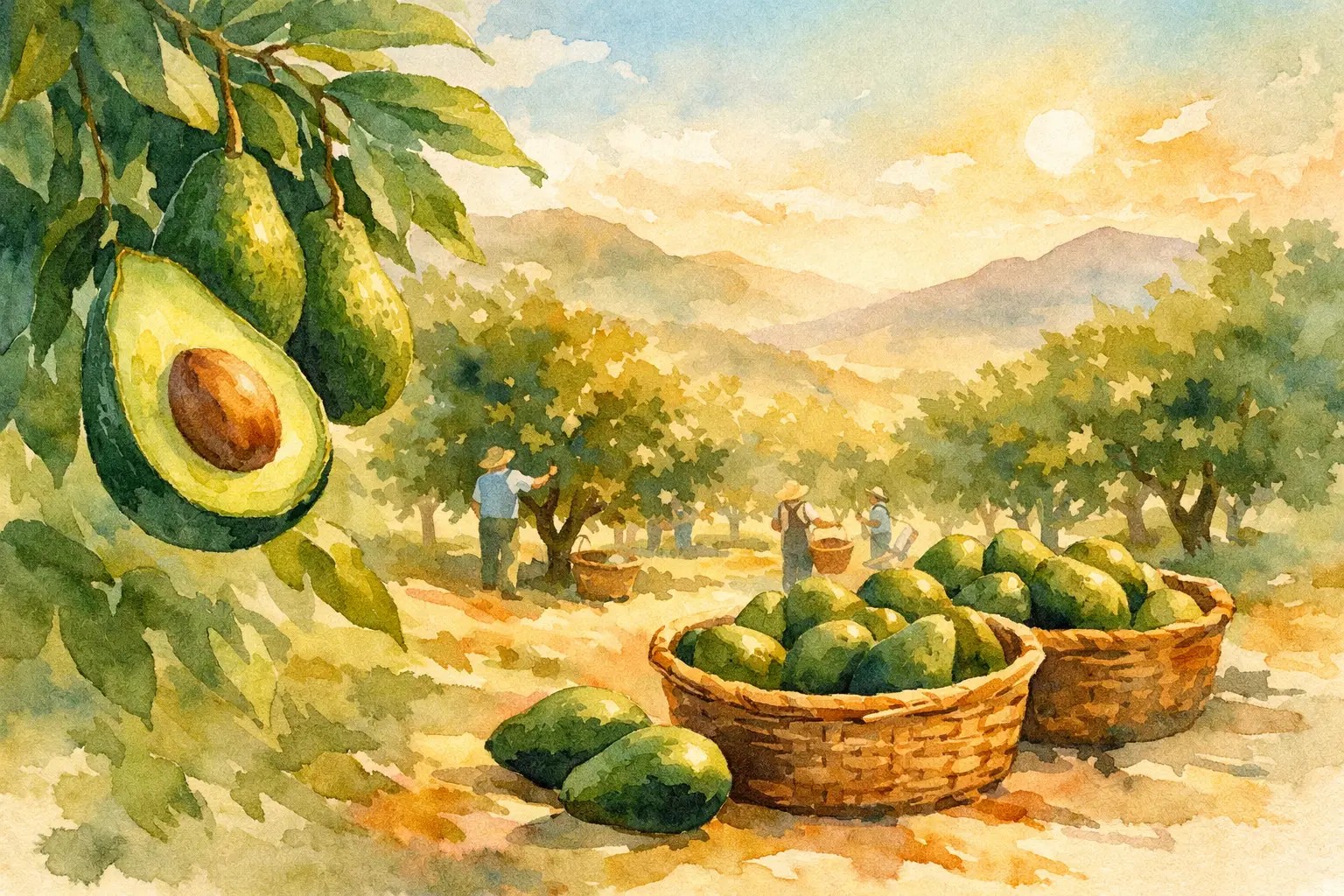
If you have ever sliced into a California avocado and noticed that rich, buttery texture tastes especially good at certain times of year, that is not your imagination. When are California avocados harvested? In most cases, the main harvest season runs from roughly spring through summer, though exact timing depends on the variety, the weather, and how the fruit develops in the grove.
For families who care where their food comes from, that timing matters. Harvest season shapes flavor, oil content, texture, and even how well an avocado ripens on your counter. It is one reason farm-fresh fruit feels different from produce that has spent too much time moving through a long supply chain.
When are California avocados harvested during the year?
California avocados are not harvested on one single date. The season usually begins in late winter or early spring and can continue into early fall, with the heart of the harvest happening from about April through August. That broader window exists because different avocado varieties mature at different times, and growers pick fruit when it has reached legal and quality maturity standards.
Hass avocados, the best-known California variety, typically make up the largest share of the crop. They are often harvested from spring into summer, although some groves may begin earlier or continue later depending on the region and the year. Other varieties can stretch the calendar in either direction.
That means the answer to when are California avocados harvested is not just about the month. It is also about which avocado you are buying and what kind of growing season California had that year.
Why harvest timing changes from grove to grove
Avocados are unusual compared with many fruits because they do not soften on the tree. They mature on the tree, but they ripen after picking. Growers have to judge the right moment to harvest based on maturity, size, oil content, and market timing, while also protecting the eating quality customers expect.
Weather has a major role here. A cooler season can slow maturity. A warmer stretch can move things along. Rain, heat, and even wind can affect fruit size and grove conditions. Two farms in the same county may still harvest at slightly different times because of elevation, sun exposure, irrigation practices, and the age of the trees.
That is why seasonal produce always comes with some variation. Nature does not follow a retail calendar with perfect neatness, and that is part of what makes farm-grown food real.
The role of avocado variety
Hass is the variety most Americans know best, but it is not the only California avocado. Some varieties mature earlier, and others later. Bacon avocados, for example, are generally associated with a fall and winter season. Fuerte can also appear earlier than Hass in some growing areas.
For shoppers, this means California avocado season can feel longer than expected. You may see different sizes, skin textures, and flavor profiles depending on what the grove is picking at that moment. Hass usually delivers the pebbly skin and creamy interior many people love, while green-skin varieties may look different even when they are ready to enjoy.
The role of maturity and oil content
A picked avocado should have enough maturity to ripen properly. One of the key markers is oil content, which rises as the fruit develops on the tree. Higher oil content is closely tied to the creamy texture and fuller flavor people expect from a premium avocado.
This is one reason early-season and peak-season fruit can taste a little different. Early fruit may be perfectly good, but as the season develops, flavor often deepens and texture becomes richer. That change is subtle but noticeable, especially if you eat avocados often.
What harvest season means for flavor at home
People sometimes assume an avocado is an avocado, no matter when it is picked. In reality, harvest timing can influence what lands on your cutting board. Fruit picked in its proper season and handled carefully tends to deliver better consistency, better ripening, and a more satisfying eating experience.
When avocados come straight from a working family farm, they often spend less time sitting in storage before reaching your kitchen. That can make a real difference. You are not just buying produce. You are buying timing, freshness, and confidence that the fruit was picked with quality in mind.
For home cooks, this shows up in simple ways. Guacamole tastes cleaner and richer. Avocado toast holds that smooth, velvety texture. Sliced avocado on salads or grain bowls feels substantial instead of watery or stringy. Small differences in harvest and handling add up.
How to tell if California avocados are in season
If you want the best chance of enjoying California fruit at its peak, pay attention to the time of year and the source. Spring and summer are usually the strongest clues, especially for Hass avocados grown in California. If you are buying directly from a farm, seasonal ordering windows are often the clearest signal that harvest is actively underway.
Country of origin can also matter if you are looking specifically for domestic fruit. California-grown avocados have a natural season, and many shoppers appreciate knowing they are supporting American agriculture while getting fruit that has not traveled as far.
There is a trade-off, of course. Imported avocados help keep avocados available year-round in stores, which many households appreciate. But if your priority is peak seasonal freshness, shorter transit time, and produce grown by American farming families, California season is worth watching.
When are California avocados harvested for direct shipping?
For farms that ship direct to consumers, harvest is often tied closely to order windows. Fruit may be picked based on current maturity, expected transit time, and how the avocados are meant to ripen once they arrive. That is different from the logic of large distribution systems, where produce may pass through multiple stages before it reaches a shopper.
This direct model can be especially helpful for families who want reliable ripening at home. A well-timed harvest means your avocados arrive mature enough to ripen well, but still firm enough to travel safely. That balance is part science, part experience, and part knowing the grove tree by tree.
At Holmes Grown USA, that seasonal rhythm is part of the promise. From Grove to Table only means something if the fruit is harvested at the right time and handled with care every step after.
What to expect after harvest
Once an avocado is picked, the clock changes. The fruit begins its post-harvest journey toward ripeness. A firm avocado usually needs several days at room temperature to soften. Warmer kitchens speed the process, while cooler temperatures slow it down.
This can confuse shoppers who expect tree-ripe to mean ready-to-eat right away. With avocados, tree-mature and ready-to-eat are different things. The best fruit is often harvested at the right maturity point, then allowed to finish ripening in your home so you can use it when it fits your meals.
If you need to slow things down, refrigeration helps once the avocado has softened to your liking. If you need to speed things up, placing it in a paper bag can help concentrate the natural ethylene gas that encourages ripening.
Why seasonality still matters
Modern grocery shopping has trained many people to expect everything all the time. But seasonality still matters, especially with produce where texture and flavor are a big part of the experience. Knowing when California avocados are harvested helps you make a more informed choice about quality, freshness, and source.
It also reconnects food with the land and the families who grow it. Avocados are not made on demand. They are nurtured through weather shifts, irrigation schedules, pruning, bloom cycles, and patient observation. Harvest is the moment all of that work shows up on your plate.
For families trying to eat well, that is worth paying attention to. The best produce does more than check a nutrition box. It brings people to the table, makes everyday meals feel better, and reminds us that good food starts long before the kitchen.
So if you are wondering when to look for California avocados at their best, think spring into summer, with some variation around the edges. Then trust the season, trust your source, and enjoy the kind of freshness that only comes from fruit picked with care.
Leave a Reply