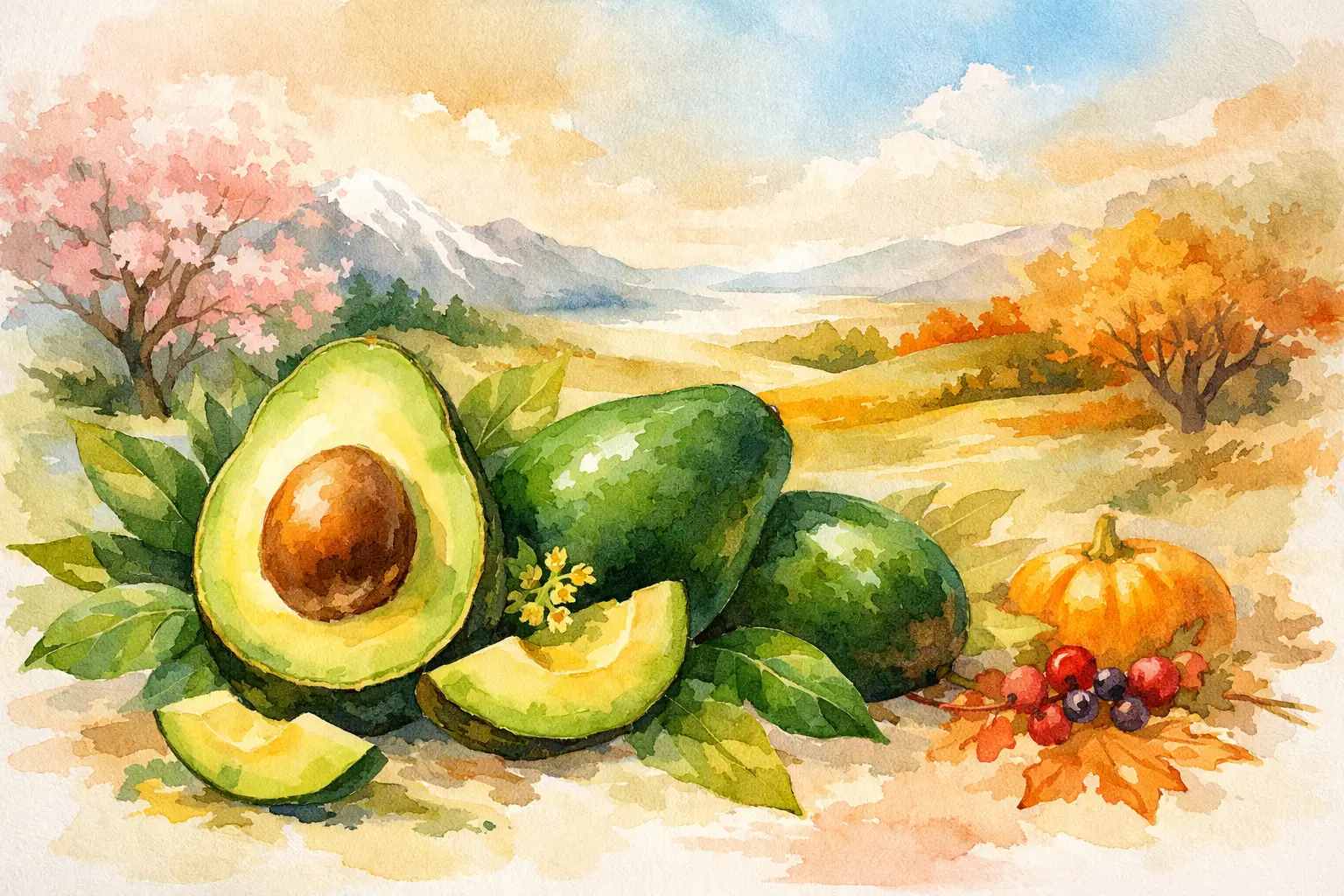
You can tell a lot about an avocado before you ever cut it open. The weight in your hand, the slight give near the stem, even the time of year all shape whether that fruit becomes a creamy centerpiece for dinner or a disappointing waste on the counter. A good seasonal avocado buying guide helps families buy with more confidence, because better timing often means better flavor, better texture, and less guesswork.
For home cooks and grocery buyers, seasonality matters more than many people realize. Avocados are available year-round in the US, but they do not all eat the same in every season or from every source. Weather, harvest timing, shipping distance, and how long fruit sits in storage all affect what lands in your kitchen. If your goal is simple – feed your family well and enjoy produce that tastes the way it should – it helps to know what to look for and when to buy.
Why a seasonal avocado buying guide actually matters
Most shoppers are used to thinking about avocados as a staple, not a seasonal fruit. They are on menus, in grocery displays, and on shopping lists every month of the year. But steady availability can hide a big difference in eating quality.
When avocados are harvested closer to their natural peak and spend less time moving through long supply chains, they often deliver richer flavor and a more reliable texture. That means fewer stringy interiors, fewer watery bites, and fewer frustrating moments where the outside seems ready but the inside is still hard. Seasonality is not just a farming concept. It is a buying advantage.
For families trying to stretch a grocery budget, that matters too. Paying for premium produce should feel worth it. Understanding the season helps you make smarter choices instead of hoping every avocado in the bin will behave the same way.
What avocado season looks like in the US
A practical seasonal avocado buying guide starts with one simple truth: avocado timing depends on variety and growing region. In the US, California is a major source of domestic avocados, and its season generally runs from spring into summer, with some variation depending on the year and the farm.
That timing is worth knowing because many shoppers prefer fruit grown closer to home when it is available. Domestic avocados can offer an advantage in freshness, especially when they are shipped directly after harvest rather than spending extended time in transit or storage. If supporting American agriculture matters to your household, season is also the window when that choice becomes easier.
Imported avocados help fill shelves throughout the rest of the year, and there is nothing inherently wrong with that. The trade-off is consistency. Depending on source, timing, and handling, quality can vary more than shoppers expect. That is why it helps to think beyond whether avocados are available and ask whether they are in their stronger season.
Spring and summer tend to be the sweet spot
For many avocado lovers, spring and summer are the most rewarding months to buy California-grown fruit. This is often when flavor is fuller, texture is creamier, and supply from domestic groves is strongest. If you have ever had an avocado that tasted especially rich and buttery, there is a good chance harvest timing played a role.
That does not mean every avocado outside these months will disappoint. It means your odds improve when fruit aligns with its natural season. As with tomatoes or peaches, timing can elevate the eating experience.
How to choose avocados based on when you plan to use them
One of the biggest buying mistakes is shopping for avocados without a plan for the next few days. Ripeness should match your meals.
If you need avocados for tonight, look for fruit that yields gently when pressed in the palm of your hand. It should not feel mushy or collapse under pressure. Gentle give is the goal. Avoid poking with fingertips, which can bruise the flesh and make a good avocado go downhill faster.
If you are shopping ahead for tacos on Tuesday or sandwiches later in the week, choose firmer fruit and let it ripen at home. This is often the better approach for families, because it gives you more control. A slightly firmer avocado can catch up on your counter. An overripe avocado rarely recovers.
Check the stem end, but do it carefully
A quick look under the small stem cap can tell you a lot. If it comes off easily and you see green underneath, that usually signals good ripeness. If it is brown, the fruit may be overripe. If the cap will not budge, the avocado likely needs more time.
This trick is useful, but it is not perfect. A beautiful stem end does not guarantee a flawless interior. Think of it as one clue among several, not the whole story.
Signs of quality beyond color
Many shoppers rely too heavily on skin color, but avocado varieties do not all behave the same way. Some darken as they ripen. Others stay greener. That is why feel, weight, and condition are more dependable than color alone.
A good avocado should feel heavy for its size, which often points to better moisture content and a healthier interior. The skin should be free of deep cuts, large soft spots, or shriveled areas. Minor surface marks are usually harmless, but a fruit that already feels damaged will not improve in your fruit bowl.
It also helps to buy with purpose. For guacamole, a few avocados at slightly different ripeness stages can work well if you are serving over a couple of days. For slicing onto salads or toast, more even ripeness makes prep simpler and presentation better.
Why source matters as much as season
A seasonal avocado buying guide would be incomplete without talking about where fruit comes from. Season tells you when avocados may be at their best. Source helps explain why one avocado tastes fresher than another.
Fruit that travels a shorter distance often arrives with more life left in it. That can mean better ripening at home and a narrower gap between perfect and overripe. For shoppers who care about freshness, domestic farm-direct fruit offers a real advantage when it is in season.
There is also the matter of trust. Knowing who grew your food changes the buying experience. It turns an avocado from a commodity into something more personal – part of a family farm, a growing region, and a standard of care you can feel once you cut into it. That is one reason so many families look for seasonal opportunities to buy directly from growers such as Holmes Grown USA.
How to handle avocados once you get home
Buying well is only half the equation. Storage can protect your investment or shorten its window fast.
Leave firm avocados on the counter at room temperature until they begin to soften. Once ripe, move them to the refrigerator if you are not using them right away. That can buy you a little extra time, often a couple of days, though flavor is always best when the fruit is enjoyed close to peak ripeness.
If you need to speed things up, placing avocados in a paper bag can help trap natural ethylene and encourage ripening. If you need to slow things down, cool storage is your friend. It depends on your meal plan, which is why buying with intention matters so much.
Don’t buy your whole week the same way
This is where seasonality and practicality meet. A smart household avocado strategy is to buy a mix – some ready soon, some ready later. That approach reduces waste and gives you flexibility for busy weeknights, lunches, and weekend meals.
It is a small habit, but it makes avocado buying feel less like chance and more like planning.
The best time to pay for premium avocados
Not every meal requires the very best fruit money can buy. If you are blending avocado into a dressing or mashing it with bold ingredients, slight variation may not matter much. But when avocados are front and center – sliced over eggs, served with grilled chicken, layered onto sandwiches, or enjoyed with a little sea salt and lemon – quality becomes obvious.
That is when season is worth paying attention to. Peak-season avocados tend to reward simplicity. They do not need much help. They are rich, clean-tasting, and satisfying on their own.
For families focused on health, this is part of the value. When whole foods taste better, it is easier to build meals around them. Good avocados support quick breakfasts, better lunches, and simple dinners that feel nourishing without much effort.
A better way to shop for avocados year-round
The best shoppers are not just checking ripeness. They are reading the season, understanding the source, and matching purchases to real life at home. That is what separates random buying from confident buying.
If avocados are part of your family’s routine, let the season guide you. Look for domestic fruit when it is naturally available, choose ripeness based on when you will eat it, and remember that freshness starts long before the avocado reaches your cutting board. From Grove to Table, quality is not an accident. It begins with timing, care, and knowing what a good avocado should feel like in your hand.
Leave a Reply