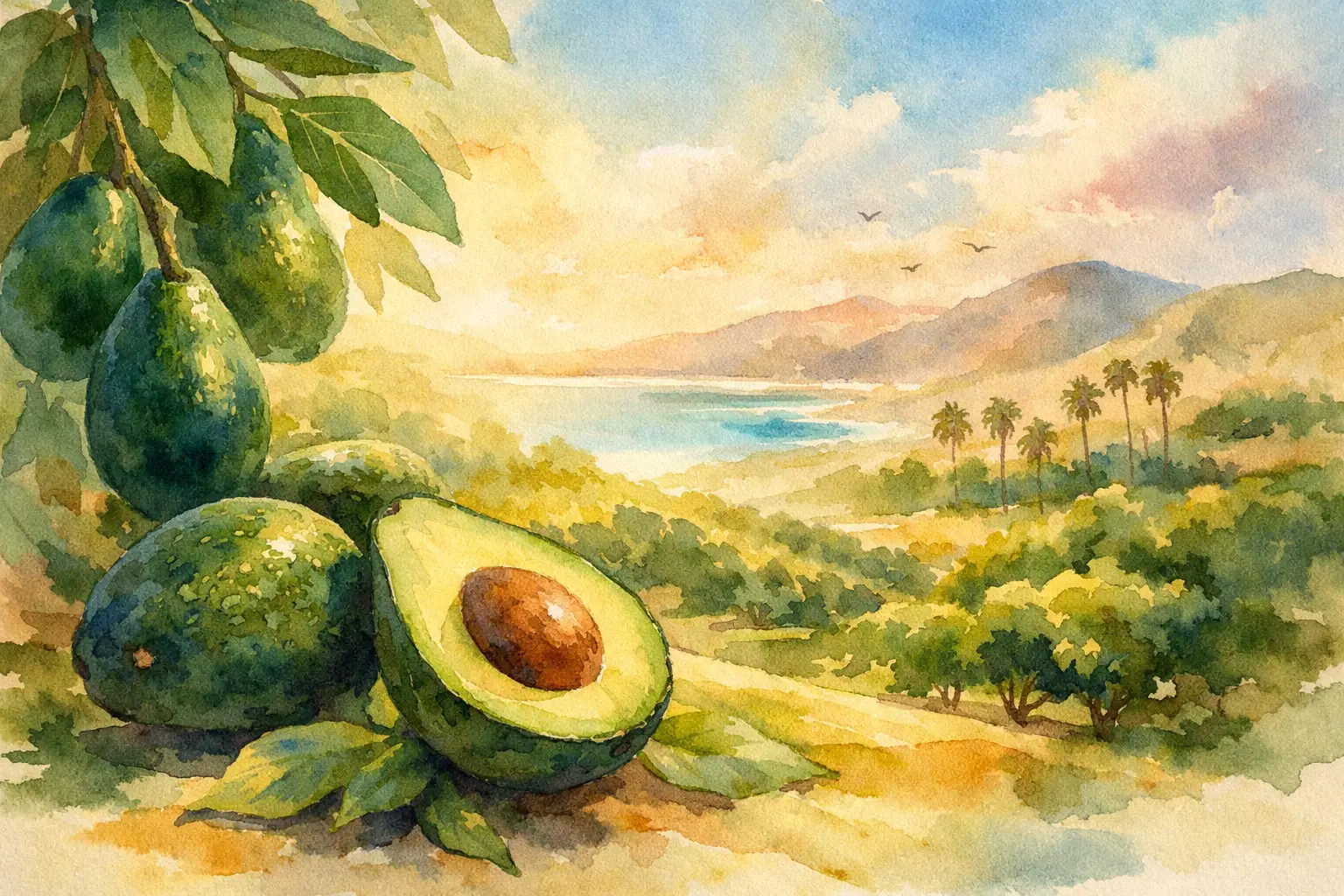
Slice into a truly fresh avocado and you can tell right away when it came from closer to home. The flesh is richer, the texture is smoother, and the flavor feels full instead of flat. That is part of what makes california avocados so special for families who care about what lands on the table – they offer a better eating experience, and they come with a clearer story about where your food was grown.
For many shoppers, an avocado is just an avocado until they taste one picked with care and handled for quality instead of mass movement. But there is a real difference between fruit grown by people who know their grove, understand the season, and value freshness from harvest to kitchen. When you are feeding your family, those details matter.
What makes California avocados different
California avocados have a reputation for good reason. They benefit from a climate that supports slow, steady development on the tree, which helps build the creamy texture and clean, nutty flavor people want. The result is fruit that feels satisfying on its own, not just as a topping hidden under salt and lime.
Freshness is another major factor. Avocados do not improve from sitting around too long in storage or spending extra time in transit. The closer the path from grove to table, the more likely you are to enjoy fruit that ripens the way it should. That means fewer disappointments when you cut one open and more confidence when you are planning meals for the week.
There is also the matter of trust. Many families want to know who grew their food and how it was produced. California-grown fruit offers a stronger connection to American agriculture and to the farming families who are still committed to doing things the right way, season after season.
Why freshness changes everything
Avocados can be tricky. Buy them too hard and dinner plans get delayed. Buy them too soft and you are racing the clock. The sweet spot is narrow, which is why freshness is not a marketing phrase – it is a practical advantage.
When fruit is harvested and moved with care, ripening becomes more predictable. That does not mean every avocado behaves exactly the same. Nature does not work that way. But fresher avocados generally give you a better chance at that ideal moment when the fruit yields gently, slices cleanly, and delivers the buttery texture people love.
This is especially valuable for busy households. If you are making school lunches, weeknight tacos, weekend burgers, or a simple avocado toast before work, you do not want guesswork every time you reach for a piece of fruit. Better freshness supports better routine.
California avocados and family meals
The best healthy foods are the ones people actually want to eat. That is one reason avocados have earned a lasting place in American kitchens. They are nutrient-dense, versatile, and easy to work into everyday meals without making cooking more complicated.
California avocados fit naturally into family eating because they can go well beyond guacamole. They add substance to breakfast, balance to grain bowls, richness to sandwiches, and a fresh finish to grilled meals. For parents trying to serve more whole foods, avocados can help make simple dishes feel complete.
They also pull their weight nutritionally. Avocados offer healthy fats and fiber, which can help meals feel more satisfying. That matters when you are trying to feed growing kids, stay fuller between meals, or replace more processed add-ons with something wholesome and real.
Of course, there is a trade-off to consider. Premium avocados may cost more than commodity produce, especially when they are grown with care and sold in season. But many families find the value in better flavor, better consistency, and less waste. Paying for fruit you actually use is often smarter than buying cheaper fruit that ends up in the trash.
The value of buying from a family farm
There is something meaningful about food with a face behind it. When avocados come from a family farm, the purchase feels less like a transaction and more like participation in something worth preserving. You are supporting people who are invested in the land, the harvest, and the quality of what they send out.
That connection matters more than ever. In a market full of anonymous products, families want transparency. They want to know whether the fruit was grown responsibly, whether the people behind it care about quality, and whether their dollars are helping sustain American farms instead of disappearing into a system that treats produce like a commodity.
This is where the story behind california avocados becomes more personal. A second-generation farm is not simply selling fruit. It is carrying forward a standard, a set of values, and a way of feeding people that honors both the land and the family table. Holmes Grown USA is built on that kind of commitment, from grove to table.
How to choose and use California avocados well
Good avocados deserve a little know-how. If they are firm, let them rest at room temperature until they give slightly when pressed. Once ripe, you can slow things down by moving them to the refrigerator for a couple of days. That small step can make meal planning much easier.
How you use them depends on what your household actually enjoys. For breakfast, sliced avocado with eggs and whole grain toast is hard to beat. For lunch, it turns a turkey sandwich into something more filling. At dinner, it brings balance to grilled chicken, tacos, rice bowls, and salads.
If you are serving a group, avocados also solve a common problem – how to make a meal feel generous without relying on heavy ingredients. Their natural richness adds comfort, but they still fit beautifully into clean eating habits.
There are a few common mistakes worth avoiding. Refrigerating avocados before they ripen can slow the process too soon. Cutting them before they are ready can leave you with a rubbery texture instead of a creamy one. And mashing overripe fruit with a lot of seasoning will not fix poor quality. When the avocado is excellent, you do not need to do much at all.
Why seasonality still matters
One of the best things about farm-grown produce is that it reminds us food has a season. We are used to seeing everything all the time, but year-round availability often comes at the cost of freshness, flavor, or connection to where the food originated.
Seasonal california avocados invite a different way of buying. Instead of treating avocados like a generic staple with no story, you begin to appreciate timing, harvest conditions, and the natural rhythm of the grove. That does not make them less convenient. If anything, it makes them more special and often more satisfying.
For shoppers who care about quality, seasonality is not a drawback. It is part of the value. It signals that the fruit is being grown and offered according to nature, not forced into a one-size-fits-all supply chain.
A better choice for intentional shoppers
More Americans are paying attention to where their food comes from, and that shift is a good one. People want fewer mystery ingredients, fewer faceless systems, and more confidence in what they bring home. Avocados fit neatly into that mindset because they are simple, nourishing, and easy to recognize as real food.
Choosing California avocados can be part of a larger decision to buy with intention. That may mean prioritizing freshness over convenience, flavor over volume, and domestic farming over anonymous sourcing. It may also mean teaching children that good food does not start on a shelf – it starts in the care of people who grow it well.
Not every shopper will weigh those factors the same way. Some will focus on taste. Others will care most about supporting American growers or finding fruit that ripens more reliably. The good news is that california avocados meet all three needs in a way few foods can.
When food is grown with pride, picked with care, and shared with families who value health and home, it becomes more than another grocery item. It becomes part of how we feed the people we love, with a little more intention and a lot more flavor.
Leave a Reply