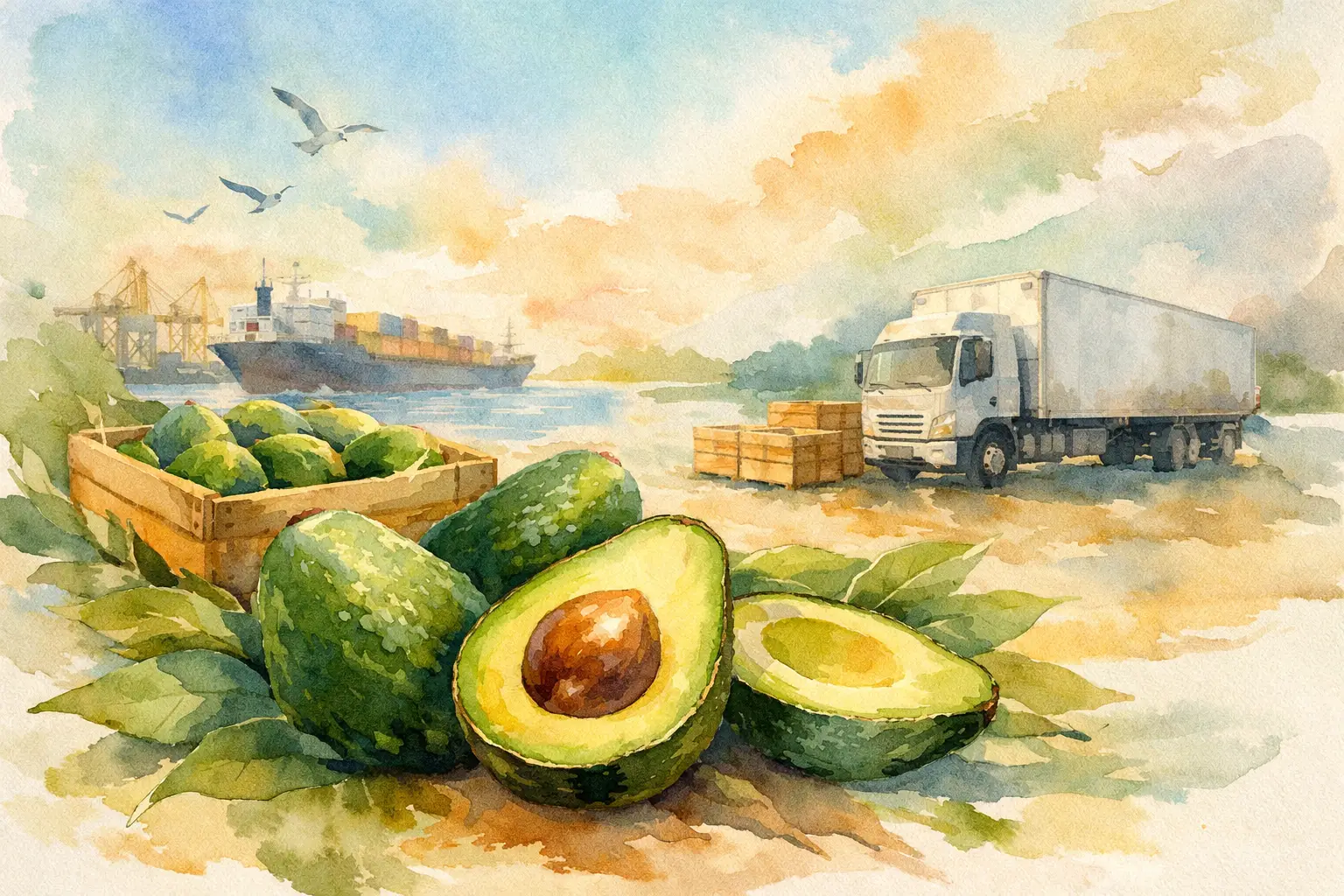
When a box of avocados shows up at your door, freshness is not a small detail. It is the whole experience. A real guide to avocado shipping freshness starts with one simple truth – great avocados are shaped by every step between the grove and your kitchen, and the shortest, most thoughtful path usually wins.
For families who care about what goes on the table, shipping matters almost as much as growing. You can have beautiful fruit on the tree, but if it is picked too late, packed without care, or left sitting too long in transit, the eating experience changes fast. That is why understanding how avocados travel helps you buy smarter, plan meals better, and enjoy more of that rich, clean flavor you were hoping for in the first place.
What avocado shipping freshness really means
Freshness is not just about how recently an avocado was harvested. It is also about condition, ripening stage, temperature exposure, and how much handling the fruit goes through before it reaches you. An avocado can be technically fresh from a calendar standpoint and still arrive bruised, over-softened, or unevenly ripened.
The best shipped avocados are usually sent firm, not fully ripe. That may sound backward at first, but it is actually what protects quality. Firm fruit has time to travel without turning mushy in the box. It also gives you a few days of control at home, which is a big advantage if you are planning lunches, family dinners, or weekend gatherings.
That is one reason direct farm shipping stands apart from conventional produce channels. Fewer stops often mean less handling, less storage time, and a better chance that the avocado you cut open will have the creamy texture and clean taste you expect.
The guide to avocado shipping freshness begins at harvest
The shipping story starts before the box is packed. Avocados need to be picked at the right maturity level. If harvested too early, they may struggle to ripen properly and can stay rubbery or watery. If picked too late, they may soften too quickly and lose shipping durability.
This is where experience matters. Growers who know their groves well are not just gathering fruit – they are judging timing, season, and how the avocados are likely to behave once they leave the tree. That judgment is part science and part farming instinct, and it makes a noticeable difference once the fruit reaches your counter.
Seasonality matters too. Avocados are not identical all year long. Oil content, texture, and ripening pace can shift during the season. Sometimes fruit ships beautifully and softens in a predictable rhythm. Other times, warmer weather or changing seasonal conditions can speed things up. A trustworthy shipper understands those changes and packs accordingly.
Why packing can protect or ruin good fruit
A well-packed avocado box should do two things at once. It should protect the fruit from physical damage, and it should prevent the kind of trapped heat that accelerates ripening too soon.
Bruising is one of the biggest threats during shipping. Avocados may look fine on the outside at first, then reveal brown spots once sliced. That often comes from impact during packing, transport, or final delivery. Secure placement inside the box matters more than many customers realize.
The other issue is airflow and temperature stability. Avocados are living fruit. They continue changing after harvest, and heat pushes that process forward. A box left in a hot truck or on a sunny porch can move fruit several steps closer to ripe in a single afternoon. That does not always mean the shipment is bad, but it does mean the timeline for using that fruit gets shorter.
How transit time affects avocado quality
Shorter transit generally supports better freshness, but speed alone is not the whole picture. A rushed shipment packed poorly can still disappoint. On the other hand, a carefully managed shipment with the right harvest timing and protective packing can arrive in great shape even after a few days.
What matters most is the full chain of care. How quickly was the fruit packed after harvest? How many warehouses did it pass through? Was it stored for long periods before shipping? Was it sent at a firmness stage that matched the travel window?
For shoppers, this means freshness is not just about fast delivery claims. It is about whether the seller understands perishability and plans around it. That is why produce from a family farm with a clear harvest-and-ship rhythm often feels different from fruit that has spent more time moving through a broad distribution system.
What to expect when avocados arrive
A common mistake is assuming shipped avocados should be ready to eat the moment the box lands on the porch. Usually, premium-shipped avocados arrive firm by design. That gives you a better eating window and lowers the chance of spoilage during transit.
When your avocados arrive, open the box right away and inspect them gently. A fresh shipment should feel firm to slightly yielding, depending on where each fruit is in the ripening cycle. Minor variation is normal. In fact, staggered ripening can be useful if you want some fruit for the next day and others for later in the week.
If the avocados are still firm, leave them on the counter at room temperature. If one or two are nearly ready, move those to the refrigerator to slow them down. That small habit can reduce waste and help you use each avocado at its best moment.
A practical guide to avocado shipping freshness at home
Once the fruit is in your kitchen, you take over the final stretch of the freshness journey. This is where simple habits matter.
Keep unripe avocados on the counter, away from direct sunlight and heat. If you want to speed ripening, place them in a paper bag, especially with a banana or apple. If you need to slow ripening, use the refrigerator once the avocado has reached that gentle give near the stem end.
Try not to refrigerate rock-hard avocados too early. Cold storage can interrupt the ripening process and lead to uneven results. It depends somewhat on the fruit and the temperature, but as a rule, avocados do best when they are allowed to begin ripening naturally first.
After cutting, protect the exposed flesh from air. A little lemon or lime juice helps, and tight wrapping helps more. Even then, cut avocado is best used sooner rather than later. Freshness after slicing is measured in hours and a day or two, not a week.
Signs of truly fresh shipped avocados
The best avocados do not just look pretty in the box. They ripen evenly, hold their color well, and deliver that smooth, buttery texture people want for toast, salads, sandwiches, and guacamole.
A fresh avocado should transition from firm to ready over a reasonable period, not jump from hard to overripe overnight. The skin may darken, depending on the variety, but feel tells you more than color. Gentle pressure should produce a soft give, not a collapse.
When cut open, the flesh should be creamy with a clean, rich flavor. Small imperfections can happen with any natural fruit, but widespread stringiness, large brown bruises, or watery texture are signs the shipping and ripening chain did not go as planned.
Why source transparency matters
Families who care about healthy eating often ask better questions about produce. Where was this grown? How long has it been off the tree? Who handled it before it reached me? Those questions are not picky. They are practical.
Source transparency gives you a better sense of what freshness really means. It also tells you something about values. Buying from growers who care about timing, quality, and responsible practices supports a food system that is more personal and accountable. For many households, that matters just as much as taste.
That is part of the appeal of farm-direct fruit from growers like Holmes Grown USA. When the path from grove to table is shorter and more intentional, freshness is not just promised in marketing language. You can taste the difference in the fruit itself.
Freshness is a family-table issue
A good avocado is not only a snack ingredient. It is a lunch packed with care, a simple side for taco night, a better breakfast before school, and a way to bring whole-food nutrition into everyday meals without much fuss. Shipping freshness affects all of that.
When avocados arrive in strong condition, you have more flexibility, less waste, and a better chance of actually using what you bought. That makes healthy eating easier, which is often the difference between good intentions and real habits.
The best way to think about avocado shipping freshness is not as a shipping problem but as a food quality promise. When harvest timing, packing, transit, and home ripening all work together, you get fruit that feels worth serving to the people you love most.
Leave a Reply