Category: Uncategorized

  • How to Store Fresh Avocados Right

    How to Store Fresh Avocados Right

    You can bring home beautiful avocados and still end up with disappointment a day later. One turns hard as a rock, another goes mushy overnight, and the one you planned for taco night browns before dinner. Knowing how to store fresh avocados makes the difference between wasted fruit and the kind of steady, reliable ripeness that helps you feed your family well.

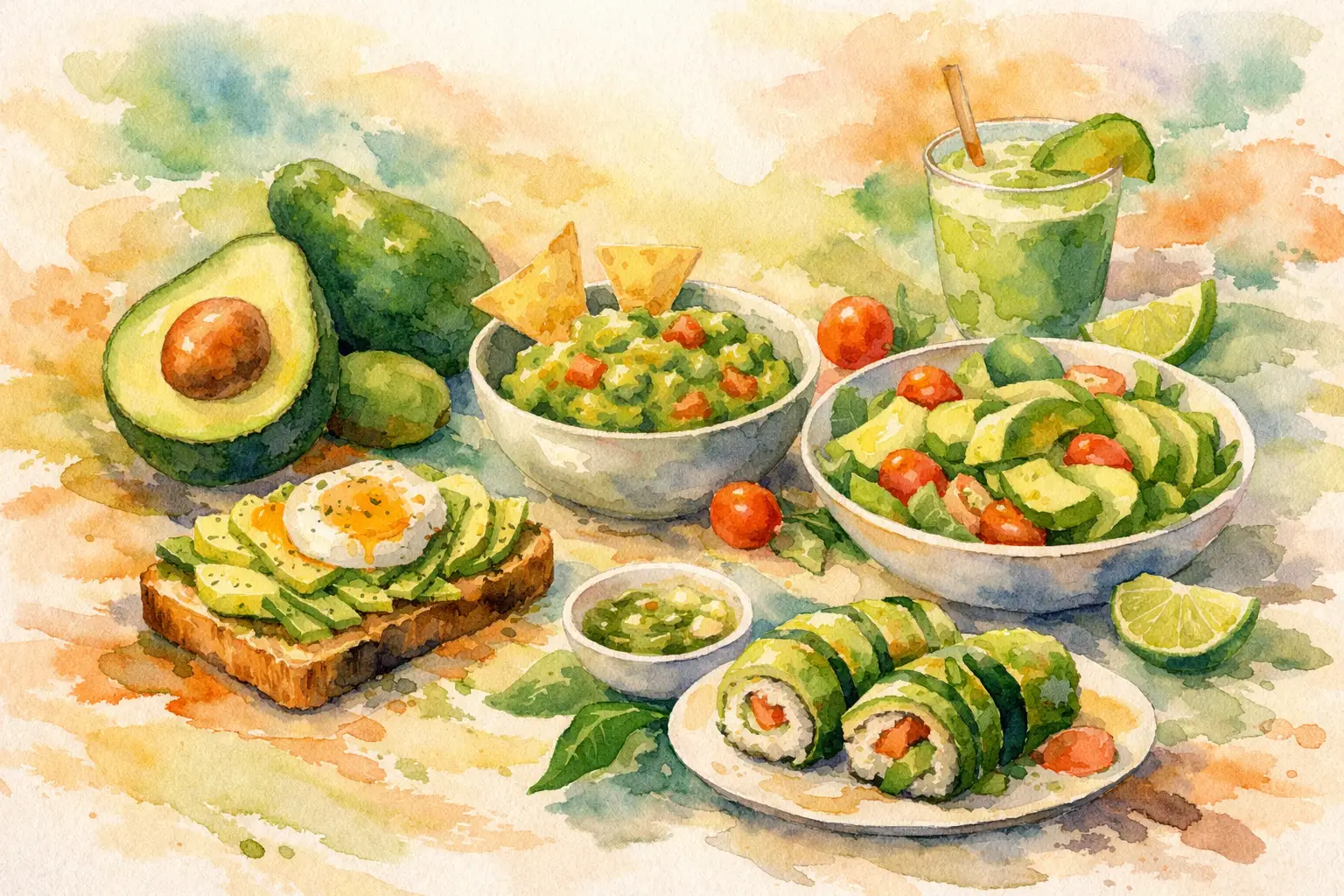
    At our table, avocados are more than a trend food. They are part of simple, nourishing meals that keep busy households going – sliced onto toast in the morning, added to salads at lunch, and mashed into guacamole for family dinners. When you understand how avocados ripen and what storage method fits each stage, you get better flavor, better texture, and a lot less waste.

    How to store fresh avocados at each stage

    The biggest mistake people make is storing every avocado the same way. Fresh avocados need different handling depending on whether they are hard and unripe, ready to eat, or already cut open.

    If an avocado feels firm and does not give when you press it gently, it is still ripening. That avocado should usually stay on the counter at room temperature. A paper bag can help speed the process, especially if you place an apple or banana nearby, because those fruits release ethylene gas that encourages ripening. If you are not in a hurry, just leave the avocado in a bowl away from direct sunlight and let nature do the work.

    Once the avocado yields slightly to gentle pressure, it is ready or very close. At that point, the refrigerator becomes your best friend. Cold temperatures slow down ripening, which buys you extra time – often a couple of days – before the fruit crosses into overripe territory.

    If the avocado has already been cut, storage becomes less about ripening and more about protecting the flesh from air. Exposure to oxygen causes browning quickly, so your goal is to minimize contact with air and keep the fruit cold.

    Storing unripe avocados on the counter

    For hard avocados, room temperature is usually the right call. A kitchen counter or pantry works well as long as the fruit is kept out of direct sun and away from a hot stove or window. Too much heat can make avocados ripen unevenly, which often means soft spots forming before the center is ready.

    Most unripe avocados will take a few days to soften, though timing depends on how mature they were when picked. Some may be ready in two days, while others need four or five. That is normal. Avocados are one of those foods that reward patience.

    If you want to speed things up, place them in a paper bag. The bag traps natural gases and encourages faster ripening. Avoid plastic bags for this stage because they can hold too much moisture and create a less balanced environment. You want a gentle push toward ripeness, not a damp setup that invites spoilage.

    There is a trade-off here. Faster ripening can be useful when you need avocados for a specific meal, but slower ripening often gives you a wider window to use them. If you are planning meals for the week, it can help to leave some avocados out and refrigerate any that are already nearly ready.

    When to refrigerate fresh avocados

    A ripe avocado should feel slightly soft but not squishy. When you press near the stem end with gentle pressure, it should give a little. That is your signal to move it to the fridge if you are not eating it right away.

    Refrigeration slows the fruit down. This is especially helpful for families who want to spread out use over a few days instead of feeling like every avocado needs to be eaten tonight. If you bought several at once, storing the ripe ones in the fridge while the firmer ones stay out on the counter helps you manage them in stages.

    If an avocado is already overripe, though, the refrigerator will not rescue it. Cold storage can slow further decline, but it cannot bring back a creamy texture once the flesh has started turning stringy, watery, or heavily bruised. Timing matters.

    One simple habit helps a lot here: check your avocados once a day. That quick look and gentle press can save you from missing the sweet spot.

    How to store cut avocados without losing quality

    Cut avocados are where things get tricky. The green flesh starts to brown once exposed to air, and while browning does not always mean the fruit is unsafe, it does affect appearance and flavor.

    To store half an avocado, keep the pit in if possible. The pit protects the flesh directly underneath it, though it does not preserve the whole surface on its own. What really helps is pressing plastic wrap tightly against the exposed flesh so there is as little air as possible. Then place the wrapped avocado in an airtight container and refrigerate it.

    A small amount of lemon or lime juice can also help. The acid slows browning and works especially well if you plan to use the avocado in a salad, sandwich, or mash where a little citrus flavor fits naturally. If you are saving it for something more neutral, use a lighter touch so the fruit still tastes like itself.

    Some people store cut avocados with sliced onion in an airtight container. This can help reduce browning, but it may transfer flavor. For some dishes, that is no problem. For others, especially breakfast or smoothies, it may not be what you want.

    The best answer is practical, not perfect: protect the flesh from air, keep it cold, and use it soon. A cut avocado is best eaten within a day or two.

    Can you freeze avocados?

    Yes, but it depends on how you plan to use them. Freezing changes the texture, so thawed avocado will not have the same clean, creamy bite you want for slices or cubes on a salad. It can still work very well in guacamole, spreads, dressings, and smoothies.

    If you want to freeze avocado, mash the flesh with a little lemon or lime juice first. Store it in a freezer-safe airtight container or bag with as much air removed as possible. Label it and freeze it flat if you can, which makes it easier to thaw later.

    This is a good option when you have several ripe avocados at once and know you will not get through them in time. It is not the best method for preserving that just-cut, fresh-from-the-grove eating experience, but it is far better than letting good fruit go to waste.

    What not to do when storing avocados

    A few common habits shorten avocado life faster than people realize. One is refrigerating hard, unripe avocados too early. They may still ripen eventually, but the process slows so much that flavor and texture can suffer.

    Another is leaving ripe avocados on the counter because they still look fine. Once ripe, they can move quickly from perfect to past their prime. The kitchen can be warm, and avocados do not wait around.

    It also helps to avoid storing bruised avocados under heavier produce or crowding them into a bowl where they knock against each other. Gentle handling matters. Fresh produce is not indestructible, and avocados especially benefit from a little care.

    Finally, be careful with food storage hacks that promise miracles. Water baths, overly damp containers, or loosely wrapped halves can create more problems than they solve. Simple methods usually work best.

    How to tell if an avocado is still good

    Good storage helps, but you still need to know when an avocado is worth eating. A ripe avocado should smell mild, feel slightly soft, and have flesh that is green to pale yellow inside. A few brown streaks are not always a deal breaker – you can often cut around them.

    If the fruit smells sour, feels extremely sunken, or has widespread dark, stringy, or slimy flesh, it is time to toss it. The same goes for mold or any off smell once cut open. Trust your senses.

    There is also a middle ground that many home cooks overlook. An avocado that is too soft for neat slices may still be perfect for mashed toast, guacamole, or a dressing. Sometimes using fruit according to its stage is just as important as storing it well.

    A better rhythm for avocado storage

    The easiest way to keep avocados at their best is to think ahead by a day or two. Let firm avocados ripen on the counter. Move ripe ones to the refrigerator. Wrap cut ones tightly and use them soon. Freeze extras only when texture matters less than convenience.

    That rhythm makes healthy meals easier to pull together without last-minute waste. It also lets you enjoy avocados the way they are meant to be enjoyed – rich, fresh, and ready when your family is. From Grove to Table, a little attention goes a long way, and the reward is simple food that tastes the way fresh food should.

  • How to Tell if an Avocado Is Ripe

    How to Tell if an Avocado Is Ripe

    You do not want to cut into an avocado at dinner time and find rubbery green flesh or a stringy brown center. When you are feeding a family, building a healthy lunch, or planning tacos for a busy weeknight, timing matters. Knowing how to tell if an avocado is ripe helps you get better flavor, better texture, and a lot less waste.

    A good avocado should feel like a small win in the kitchen. It should slice cleanly, mash smoothly, and taste rich without turning mushy or bland. The tricky part is that avocados do not all ripen at the same pace, and the outside does not always tell the full story at first glance. That is why a dependable method matters more than guessing.

    How to tell if an avocado is ripe at a glance

    If you need the quick version, start with your hand, not a knife. Hold the avocado in your palm and give it a gentle, even squeeze. A ripe avocado will yield slightly under light pressure, but it should not feel soft, hollow, or collapsed.

    That small bit of give is what you are looking for. If it feels hard as a rock, it needs more time. If your fingers sink in easily, it is likely overripe. The sweet spot is somewhere in between – firm, but ready.

    Color can help, but it depends on the variety. Many Hass avocados turn from bright green to a darker green, often close to black, as they ripen. But color alone can mislead you, especially if you are buying avocados from different growing regions or varieties. A dark avocado is not always a ripe avocado, and a green one is not always unripe.

    The three best ways to check ripeness

    1. Use gentle pressure

    This is the most reliable everyday test. Press lightly near the widest part of the fruit with the full pads of your fingers, not your fingertips. Fingertips can bruise the flesh, and bruising shows up later when you cut it open.

    A ripe avocado should feel slightly soft, like a peach that still has structure. It should never feel squishy. If one side is soft and the other side is firm, ripening may be uneven.

    2. Check under the stem cap

    At the top of the avocado, there is usually a small stem nub or cap. If it comes off easily, look underneath. Green means the avocado is likely ripe or very close. Yellow-green is usually perfect for eating soon. Brown under the cap can mean it has gone too far.

    This trick is useful, but it has limits. If the stem will not come off easily, do not force it. Pulling at it too hard can damage the fruit, and in a store setting, it is not always respectful to handle produce that way. Think of this as a confirming clue, not your only test.

    3. Notice the skin and shape

    Ripe avocados often have skin that looks a little more settled and less glossy than unripe fruit. On Hass avocados, the pebbled skin deepens in color as the fruit softens. The avocado should also feel full and evenly shaped, without deep dents, flat spots, or shriveled ends.

    Wrinkling can be a sign the fruit is losing moisture. Large sunken areas usually point to bruising inside. If the avocado looks tired on the outside, there is a good chance the texture inside will disappoint you too.

    What ripe actually feels like

    Many people ask for a visual rule, but touch is really what separates ripe from almost ripe. A ready avocado has a quiet softness to it. It gives a little, then stops. It still feels solid in your hand.

    That balance matters because different meals call for slightly different stages of ripeness. If you are slicing avocado for salads, burgers, or grain bowls, a firmer ripe avocado is ideal. It will hold its shape and give you clean slices. If you are making guacamole, avocado toast, or a creamy dressing, you may want it just a touch softer.

    So yes, ripe is a range. The best avocado for tonight’s taco bar may be different from the best avocado for tomorrow’s lunch prep.

    How long does it take an avocado to ripen?

    If your avocado is still firm, room temperature is your friend. Most avocados ripen in a few days on the counter, though timing depends on how mature they were when picked and how warm your kitchen is.

    If you want to speed things up, place the avocado in a paper bag. The bag traps natural ethylene gas, which helps the fruit ripen faster. Adding a banana or apple to the bag can move the process along even more. Usually, this takes one to three days.

    If your avocado is already ripe and you are not ready to use it, move it to the refrigerator. Cold temperatures slow down ripening and can buy you a little extra time. That is especially helpful when you are meal planning for the week and trying to avoid waste.

    Common mistakes when judging avocado ripeness

    One of the biggest mistakes is relying on color alone. It is tempting because it is fast, but it is not dependable enough by itself. Some avocados darken before the inside is ready. Others stay greener than expected and are perfectly good inside.

    Another common mistake is squeezing too hard. We have all seen avocados in the store with finger dents pressed into the skin. Those spots often turn brown inside. Gentle pressure tells you what you need to know without damaging the fruit.

    People also confuse soft with ripe. Soft can mean overripe, bruised, or even starting to spoil. A ripe avocado should be responsive, not limp.

    How to spot an overripe avocado

    An overripe avocado usually feels very soft, sometimes with pockets of air or sunken spots. The skin may look overly dark and dry, and the fruit may have a hollow feel when handled.

    Inside, overripe avocados often show brown streaks, gray patches, or a stringy texture. A little browning near the stem is not always a deal breaker, but widespread discoloration usually means the best eating window has passed.

    That does not mean every soft avocado belongs in the trash. If the inside is mostly green and the texture is still creamy, you can cut away a small brown spot and use the rest. But if it smells sour or the flesh looks badly discolored, it is time to let it go.

    Buying avocados for now and later

    If you are shopping for the week, do not buy every avocado at the exact same stage. Pick one or two that are ready soon, and choose a few firmer ones for later meals. That gives you a better rhythm at home and keeps you from racing the clock.

    This is where source matters more than many people realize. Avocados that are handled with care and shipped with freshness in mind tend to ripen more evenly and taste better when they get there. That from grove to table difference is not just a nice phrase. It affects what ends up on your cutting board.

    For families who care about clean eating, less waste, and food with a real story behind it, consistency matters. A good avocado should not feel like a gamble.

    How to tell if an avocado is ripe after cutting it open

    Sometimes the real test comes after the knife goes in. A ripe avocado will have bright green flesh, sometimes fading to pale yellow near the center. It should release easily from the skin and separate cleanly from the pit.

    The texture should be creamy and smooth, not watery, stringy, or stiff. If you have to wrestle the flesh out with a spoon, it was probably not ready. If it collapses into a brown mess, it waited too long.

    The good news is that even a slightly underripe avocado can still be useful. Diced small, it works in salads or salsas where texture matters more than creaminess. A very firm avocado may need another day, but not every less-than-perfect fruit is a total loss.

    A better avocado starts with patience

    There is no secret trick that beats paying attention. A gentle squeeze, a quick look at the skin, and a little patience on the counter will usually tell you what you need to know. Once you start noticing those small signs, choosing a good avocado becomes second nature.

    At Holmes Grown USA, we believe better fruit helps build better meals and healthier family routines. When you know what ripeness feels like, you can plan with confidence, waste less, and enjoy the kind of fresh, satisfying avocado that makes simple food feel special.

    The next time you pick one up, trust your hand more than the label. A ripe avocado will tell you it is ready if you know how to listen.

  • Where to Buy Farm Fresh Avocados

    Where to Buy Farm Fresh Avocados

    If you have ever cut into an avocado that looked perfect on the outside but turned brown, stringy, or watery inside, you already know why people ask where to buy farm fresh avocados. When freshness matters, the source matters too. The best avocados are not just ripe – they are carefully grown, properly handled, and delivered with far less time between the grove and your kitchen.

    For families who care about healthy meals, clean ingredients, and knowing where food comes from, buying avocados should feel less like a gamble. A truly farm fresh avocado has better texture, fuller flavor, and a more reliable ripening window. It is the kind of fruit that turns simple toast, salads, grain bowls, tacos, and guacamole into something worth gathering around.

    Where to buy farm fresh avocados for the best quality

    The short answer is that the best place to buy farm fresh avocados is directly from a farm when that option is available. Buying straight from growers cuts out extra warehouse time, reduces unnecessary handling, and gives you a clearer picture of how the fruit was raised. You are not just buying produce. You are choosing freshness, traceability, and often a stronger connection to American agriculture.

    Farm stands and local farmers markets can also be good options, especially if you live in a growing region such as California. In those settings, you may be able to ask when the avocados were picked, what variety they are, and how to ripen them at home. That kind of conversation is hard to get in a standard grocery aisle.

    Online farm-to-door delivery has become one of the most practical choices for busy households. This is especially true for shoppers who want premium fruit but do not live near an avocado-growing area. When a farm ships in season and packs to protect quality, you can often get a fresher avocado than you would from a store that has moved fruit through several stops before it reaches the shelf.

    Traditional grocery stores still have a place, of course. They are convenient, and sometimes the quality is solid. But grocery avocados can be inconsistent because the path from harvest to display is longer and less personal. If your main goal is the lowest price, the store may work. If your goal is dependable flavor and a better eating experience, direct-from-farm options are usually worth a closer look.

    What makes an avocado truly farm fresh

    Farm fresh does not simply mean local, and it does not always mean picked yesterday. It usually means the fruit moved through a shorter, more intentional chain from harvest to home. That difference shows up in taste, texture, and how evenly the avocado ripens on your counter.

    A quality avocado should feel rich and creamy when ready, not rubbery or hollow. The flavor should be buttery and clean, without bitterness or watered-down flesh. These are small details, but they make a big difference for home cooks who use avocados often and want predictable results.

    Good handling matters just as much as good growing. Avocados bruise easily, and rough storage can affect the inside long before the skin shows it. Farms that ship their own fruit often have more control over timing and packing, which helps protect quality. That is one reason many shoppers notice a difference when they order directly from a family farm rather than buying from a mixed retail display.

    There is also the issue of trust. When you know who grew your food, the purchase feels different. For many American families, that matters. Supporting a domestic farm means your dollars stay closer to the source, and your food story becomes more transparent.

    How to tell if a source is worth buying from

    If you are deciding where to buy farm fresh avocados, a few signs can help you separate a real farm-fresh source from a generic produce seller using nice language. First, look for clarity about where the avocados are grown. A trustworthy seller should be open about location, seasonality, and how the fruit gets from the grove to your home.

    Second, pay attention to whether the business talks about ripening guidance and handling. Sellers who know their fruit well usually help customers understand when to eat it and how to store it. That is a sign they care about the experience after delivery, not just the sale itself.

    Third, look for signs of seasonality rather than year-round sameness. Real farming has rhythms. When a brand acknowledges that certain harvest windows are better than others, it usually suggests a more honest relationship with the land.

    Finally, consider whether the business feels connected to the product. Family farms and grower-led brands often speak with more confidence and more care because the fruit reflects their name and their work. That does not guarantee perfection every time, but it often leads to better standards and more accountability.

    The trade-off between convenience, price, and freshness

    Not every shopper is looking for the same thing, and that is worth saying plainly. Sometimes convenience wins. Sometimes budget does. Sometimes you need avocados today and the supermarket is the only realistic option.

    But if you buy avocados regularly, inconsistency gets expensive fast. A cheaper avocado is not really cheaper if one out of every three ends up bruised inside or spoils before it is ready. Many families would rather pay a bit more for fruit they can count on, especially when it is going into school lunches, weeknight meals, or weekend gatherings.

    Direct farm shipping can cost more upfront, but the value often shows up in quality and reduced waste. You may get a better ripening spread, stronger flavor, and fewer disappointments. For households that use avocados several times a week, that can be the better buy.

    It also depends on what you care about beyond the fruit itself. For some people, supporting American growers, choosing more transparent sourcing, and feeding their family food with a clear origin are part of the value. That is not just sentiment. It is a purchasing decision tied to health, trust, and the kind of food system you want to support.

    Why direct-from-farm avocados appeal to health-conscious families

    Avocados already have a strong place in healthy eating because they are versatile, satisfying, and full of naturally beneficial fats and nutrients. But freshness still shapes the experience. Better avocados make it easier to keep healthy meals simple because they need less rescuing and less guesswork.

    For parents and home cooks, that matters on real weeknights. You want an avocado you can slice over eggs in the morning, mash into a sandwich at lunch, or cube into taco bowls at dinner without wondering what you will find inside. A dependable product takes stress out of meal prep and helps healthy habits stick.

    There is also something meaningful about serving food that came from a farm with a story. When produce is grown with care and shipped from the source, it brings a sense of intention back to the table. That is one reason brands like Holmes Grown USA connect with families who want more than a commodity purchase. They want food that feels honest, nourishing, and rooted in American family farming.

    When farmers markets are the best choice

    Farmers markets can be a great answer if you enjoy shopping in person and you live in a region where avocados are grown or distributed by nearby farms. The biggest advantage is conversation. You can ask questions, compare ripeness stages, and often find out exactly how to handle the fruit at home.

    The downside is availability. Markets are seasonal, inventory can vary, and not every stand is run by the grower. Some vendors resell produce, which is not always bad, but it is different from buying directly from the farm. If the goal is true farm freshness, ask who grew the avocados and when they were harvested.

    For some shoppers, the market experience is part of the joy. For others, regular home delivery is simply easier. Neither choice is wrong. It comes down to how you shop and how much consistency you want week to week.

    A better way to think about where to buy farm fresh avocados

    Instead of starting with price alone, start with the eating experience you want. If you want avocados that taste rich, ripen well, and come from a source you can feel good about, direct-from-farm is often the strongest option. If you want immediate convenience, local grocery stores and markets still have their place, but quality will vary more.

    The best avocado purchase is not just about getting fruit into the cart. It is about bringing home something fresh enough to enjoy, reliable enough to plan around, and thoughtfully grown enough to serve with confidence. When your food comes From Grove to Table with care, the difference is easy to taste.

    A good avocado can make a meal. A great source can change how you shop for one.

  • Why More Families Buy Avocados Online

    Why More Families Buy Avocados Online

    The avocado you bring home should feel like a good decision before you ever cut it open. But too often, store-bought fruit leaves families guessing – too hard tonight, too brown tomorrow, and rarely as fresh as it should be. That is exactly why more people choose to buy avocados online. When avocados come straight from the grove instead of sitting through layers of handling, the difference shows up in taste, texture, and trust.

    For families who care about what goes on the table, buying avocados this way is about more than convenience. It is about knowing where your food comes from, choosing quality with intention, and giving your household something fresh, nourishing, and worth sharing. From Grove to Table is not just a phrase. It is a better way to shop for one of the most versatile foods in your kitchen.

    Why buy avocados online instead of at the store?

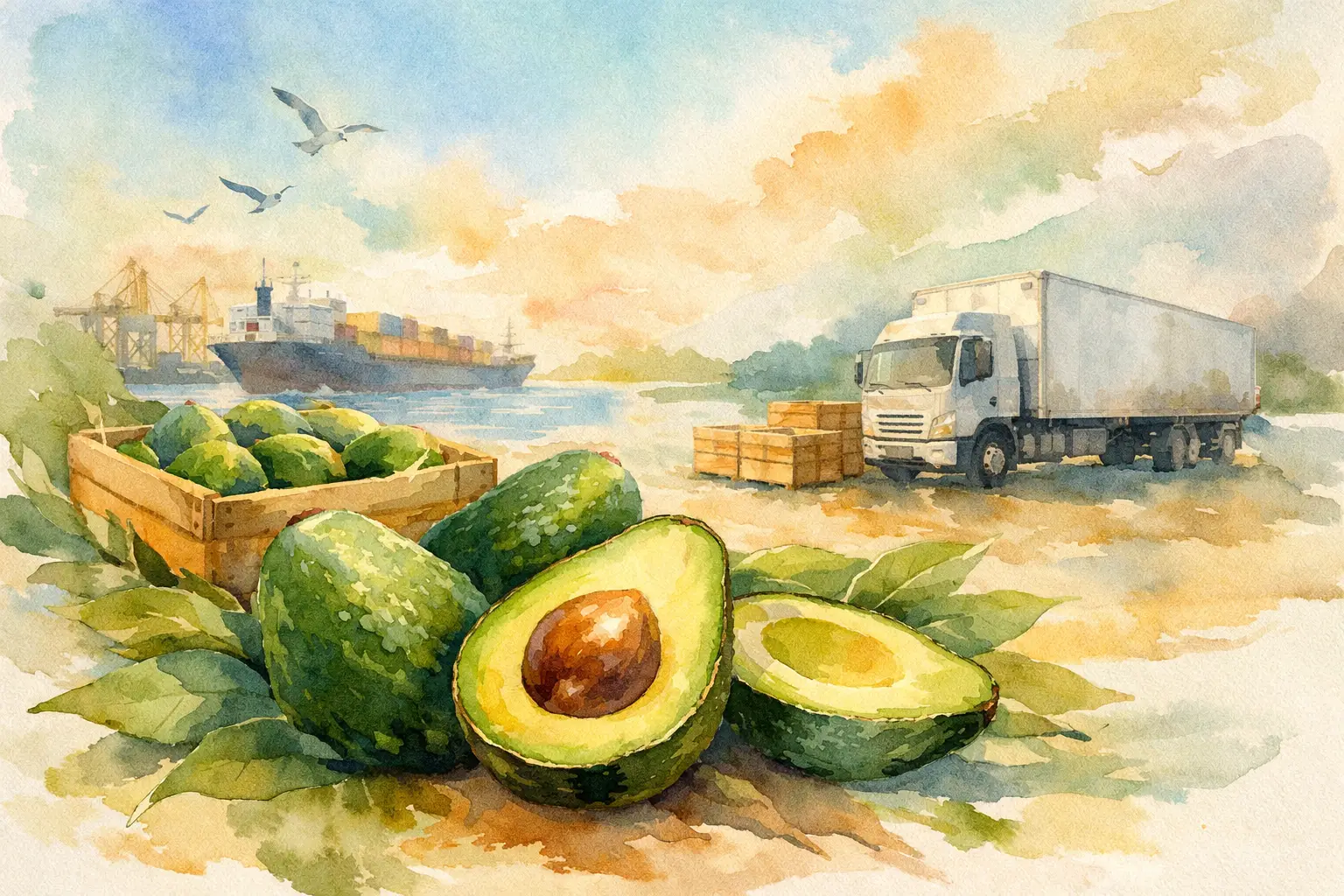
    The biggest reason is freshness. In a traditional grocery chain, avocados may travel through growers, packing facilities, distribution centers, warehouses, and store back rooms before they ever reach your cart. Every stop adds time, and time changes fruit. Even when an avocado looks fine on the outside, the eating experience can be inconsistent.

    When you buy avocados online from a farm-focused source, that path is usually shorter and more intentional. Fruit is often picked to order or packed closer to ship time, which helps preserve quality. That means you are far more likely to receive avocados with a better shelf life and a more reliable ripening window at home.

    There is also the issue of selection. In a store, you work with what is left on the display. Online ordering can feel different because the fruit is chosen and packed with shipping in mind, not handled repeatedly by shoppers throughout the day. That alone can lead to fewer bruises and less waste.

    What makes online avocados worth it?

    For many households, it comes down to consistency. If avocados are part of your regular meals – sliced onto toast, added to salads, mashed into guacamole, blended into smoothies, or served beside grilled chicken and rice – you want fruit that performs the way you expect it to.

    A good avocado should have rich flavor, smooth texture, and a ripening pattern you can actually plan around. That is especially valuable for busy families trying to prepare healthy meals during the week. No one wants to build dinner plans around produce that turns all at once or spoils before it is ready.

    Buying online can also align better with your values. More Americans want to support domestic agriculture, family farms, and more transparent food systems. Knowing your avocados came from a real grove, grown by people who stand behind their harvest, gives the purchase more meaning. You are not just buying fruit. You are choosing a source.

    How to buy avocados online and get better fruit

    Not every online avocado option is the same. The best experience usually starts with understanding what the seller prioritizes.

    Look first at source transparency. A strong farm-to-table seller should tell you where the avocados are grown and how they are handled. If the fruit is coming from California, especially from a family-run grove, that often signals a more direct path from harvest to home.

    Next, pay attention to seasonality. Avocados are agricultural products, not factory-made goods. A farm that sells seasonally is often showing respect for the natural growing cycle rather than forcing year-round expectations. That can be a very good sign. Seasonal availability may require a little patience, but it often rewards customers with better fruit.

    Ripeness matters too, but this is where expectations should stay realistic. Some customers want avocados ready the same day. Others want them firm enough to last through the week. The best online experience is not always fruit that arrives perfectly ripe on your doorstep. It is fruit that arrives in excellent condition, then ripens predictably in your kitchen.

    Packaging also deserves attention. Avocados should be packed with care so they arrive protected, not rattled around in a generic box. Thoughtful shipping supports quality, and quality supports the whole reason you chose to order online in the first place.

    Buy avocados online with your kitchen in mind

    One of the smartest ways to order avocados is to think about how your household actually uses them. If your family eats avocados a few times a week, a larger box may make sense. If you use them more occasionally, a smaller order can help you avoid waste.

    This is where online ordering can feel more personal than shopping a produce bin. You are not making a rushed choice under fluorescent lights. You are planning for meals, lunches, snacks, and gatherings in a way that fits your routine.

    A family with school-aged kids may want avocados for quick breakfasts and simple after-school snacks. A home cook may be thinking about weekend tacos, grain bowls, and sandwich spreads. Someone focused on wellness may want nutrient-dense ingredients ready for salads and meal prep. Avocados support all of those moments because they are both satisfying and easy to use.

    They also earn their place nutritionally. Avocados offer healthy fats, fiber, and important nutrients that help make meals feel more balanced and filling. For parents trying to feed their families well without overcomplicating dinner, that matters. Healthy eating works best when it is practical enough to repeat.

    The trade-offs to know before you order

    There are real advantages when you buy avocados online, but honesty matters here. Shipping fresh produce is not the same as grabbing a few pieces of fruit during a store run.

    First, you have to plan ahead. Online ordering works best when you are willing to think a few days out, especially if the fruit arrives firm and needs time to ripen. If you need one ripe avocado tonight, a last-minute grocery trip may still be the faster option.

    Second, premium fruit often comes with a premium price. That can feel like a stretch compared with sale pricing at a big-box store. But the fair comparison is not always price per piece. It is often value after waste, flavor, shelf life, and confidence in the source. A cheaper avocado that ends up stringy, bruised, or spoiled is not actually the better buy.

    Third, seasonality can limit availability. For some shoppers, that is an inconvenience. For others, it is part of the appeal. Seasonal ordering reminds us that real food follows nature, and that is often when it tastes best.

    Why farm-direct matters

    There is something deeply reassuring about buying from people who grow what they sell. In a marketplace full of vague sourcing and anonymous supply chains, farm-direct food feels grounded.

    That matters even more when the farm is family-owned and rooted in American agriculture. A second-generation grower is not just selling produce. They are carrying forward knowledge, land stewardship, and a way of life that deserves support. When that fruit arrives at your door in beautiful condition, the experience feels personal because it is.

    Holmes Grown USA is built on that promise – premium California avocados, grown with care and shipped directly to families who want better food and a better connection to where it came from.

    For customers, that creates trust. You know the avocados were grown with purpose, packed with care, and sent out with a standard that reflects the family behind the grove. Experience the Perfect Avocado, Every Time is a strong promise, but it is also the right one to chase when freshness and quality are the whole point.

    A better avocado changes more than one meal

    A truly good avocado has a way of improving the rhythm of everyday eating. Breakfast feels easier. Lunch feels fresher. Dinner feels more complete. And when you have quality produce in the house, healthy choices stop feeling like a chore.

    That is one reason avocado lovers tend to become repeat buyers once they find a source they trust. The product is simple, but the payoff reaches further. Better fruit can mean less food waste, fewer disappointing meals, and more confidence in what you are serving the people you love.

    For many families, that confidence is worth a lot. Food is not just fuel. It is part of how we care for each other, how we gather, and how we build everyday habits that shape our health over time. Choosing fresh, well-grown avocados is a small decision that supports those bigger goals.

    If you have ever felt let down by inconsistent grocery store avocados, this may be the right time to try a different path. Buy with intention. Buy from a source you can believe in. And let your next box of avocados remind you that fresh food still tastes best when it comes from people who grow it with pride.

  • Why Fresh Avocados Delivered Matter

    Why Fresh Avocados Delivered Matter

    You can tell a lot about an avocado before you ever cut into it. The color, the feel, even the timing all matter. That is why fresh avocados delivered straight from the grove feel different from the start. They have not spent extra days sitting in storage, riding through long distribution chains, or waiting under bright grocery lights for someone to pick them up.

    For families who care about what goes on the table, that difference is not small. It shows up in flavor, in texture, and in the confidence that comes from knowing where your food was grown. When avocados move directly from a family farm to your kitchen, the experience becomes more personal and more dependable. From Grove to Table is not just a nice phrase. It changes the quality of the fruit you bring home.

    What makes fresh avocados delivered better?

    The biggest advantage is time. Avocados are delicate when it comes to ripening. Pick them too early in the supply chain, store them too long, or move them through too many hands, and you can end up with fruit that looks fine on the outside but disappoints once opened. It may be stringy, bruised, unevenly ripened, or simply lacking that rich, buttery taste people expect.

    Fresh avocados delivered directly from the source shorten that timeline. Less time in transit and less time in warehouses often means better consistency when the fruit reaches your doorstep. That matters if you are planning family meals, weekend brunch, lunchbox add-ons, or a simple snack that does not need a second guess.

    There is also something reassuring about source transparency. At a grocery store, you may not know how long the avocados have been there, where they were handled, or how many times they were moved before you saw them. Buying direct gives you a clearer story. You know the fruit was grown with intention, harvested for quality, and shipped with care.

    Freshness is really about timing

    People often think freshness is only about how recently produce was picked, but with avocados, freshness and timing work together. A great avocado should arrive with enough life left in it to ripen properly at home. That gives you a better window to enjoy it at its peak instead of rushing to use it before it turns.

    This is one reason direct delivery appeals to home cooks and busy households. You want avocados that fit your week, not fruit that forces your schedule. If you are making avocado toast on Saturday, slicing some over tacos on Monday, and mashing a few for guacamole later in the week, ripening matters just as much as freshness.

    Of course, there is some natural variation. Avocados are a real crop, not a factory-made product. Weather, seasonality, and handling all play a role. But a farm that knows its fruit and stands behind its process can do a much better job guiding customers toward a more reliable experience.

    Why families care where their avocados come from

    For many Americans, food shopping has become more intentional. Families are reading labels, asking harder questions, and paying closer attention to origin. They want produce that supports healthy habits, but they also want to feel good about the farms and practices behind it.

    That is part of why American-grown avocados resonate so strongly. Supporting a domestic family farm means your purchase is connected to real people, real land, and a real legacy. It keeps more of your food dollars tied to American agriculture and helps preserve a way of life that many families do not want to lose.

    That connection matters even more when the product is something your household uses often. Avocados are not just occasional treats anymore. They have become a staple in smoothies, salads, sandwiches, grain bowls, egg dishes, and simple after-school snacks. When a staple is this versatile, quality becomes worth paying attention to.

    Nutrition is part of the appeal, but taste keeps people coming back

    Avocados have earned their place in healthy kitchens for good reason. They offer good fats, fiber, and a satisfying texture that makes meals feel more complete. For parents trying to feed their families well, that combination is valuable. It is one of the rare whole foods that feels nourishing and comforting at the same time.

    Still, health benefits alone do not create loyalty. Taste does. A truly good avocado is creamy without being mushy, rich without being heavy, and mild enough to pair with almost anything. That flavor and texture are exactly what people miss when they settle for fruit that was picked, packed, and held too long.

    Fresh avocados delivered with care make healthy eating easier because they remove some of the disappointment. You are not hoping the fruit inside matches the promise outside. You are starting from a better place.

    The trade-off is not just price

    It is fair to say direct-to-door produce can cost more than grabbing a few avocados during a routine grocery run. For some shoppers, that is the main hesitation. But the real comparison is not only shelf price. It is value.

    If a lower-priced avocado ends up bruised inside, ripens all at once, or goes bad before you can use it, the bargain disappears quickly. Paying for better fruit, better timing, and better handling can make sense, especially for households that use avocados regularly.

    That said, direct delivery is not always the right fit for every buyer at every moment. If you only need one avocado tonight, the grocery store may be more practical. If you care deeply about consistent quality, want to plan meals ahead, or prefer supporting a family farm over an anonymous supply chain, delivery offers a stronger return.

    How to get the most from avocados at home

    Once your avocados arrive, a little attention goes a long way. Keep firmer fruit at room temperature until it yields gently when pressed. If several ripen at once, move them to the refrigerator to slow things down. That simple step can buy you a few extra days and reduce waste.

    Think about how you will use them across the week. A ripe avocado can be halved for breakfast, sliced into sandwiches at lunch, and folded into dinner with almost no effort. It can also become the ingredient that makes simple meals feel finished. A bowl of rice, grilled chicken, and vegetables becomes more satisfying with fresh avocado on top.

    Families often do best when avocados are treated as everyday food, not special-occasion food. That shift makes healthy eating feel more natural and less like work.

    From Grove to Table means something real

    There is a reason farm-direct food feels different. It carries the care of the people who grew it. When a second-generation farming family puts its name on the fruit, that is a promise about standards, not just marketing. It says the goal is not to move volume. The goal is to send out avocados worthy of the family table.

    That is the spirit behind Holmes Grown USA. The focus is simple and strong: premium avocados, grown in California, shipped with purpose, and shared with families who want better food and a better story behind it. Experience the Perfect Avocado, Every Time is a bold claim, but it reflects the kind of confidence that only comes from knowing your grove and standing behind your harvest.

    In a market full of generic produce, that kind of care stands out. It turns an ordinary grocery item into something more trustworthy, more flavorful, and more connected to the values many households already live by.

    Why this choice feels bigger than one box of fruit

    Fresh food has a ripple effect. When better ingredients are within reach, meals come together more easily. Kids get used to real flavor. Parents feel better about what they are serving. And family routines start to center on food that supports health instead of simply filling space.

    That is why fresh avocados delivered are about more than convenience. They represent a smarter way to buy, a closer connection to the source, and a practical step toward Growing Healthy Families. If you want produce that tastes the way it should and comes from people who believe farming still matters, start with the avocado that arrives with its story intact.

  • Why Farm to Table Avocados Taste Better

    Why Farm to Table Avocados Taste Better

    A hard avocado on Monday that turns mushy by Wednesday is more than a kitchen annoyance. It is usually a sign that your fruit spent too much time moving through warehouses, trucks, and store displays before it ever reached your counter. Farm to table avocados change that experience. When avocados travel a shorter, more intentional path from the grove to your kitchen, you can taste the difference, feel the difference, and serve your family with more confidence.

    For many households, avocados are not a trendy extra anymore. They are breakfast, lunchbox fuel, taco night essentials, smoothie boosters, and the finishing touch on simple dinners. When a food shows up that often, quality matters. So does trust. People want to know where their food came from, how it was grown, and whether the premium they pay actually delivers a better meal.

    What farm to table avocados really mean

    At its core, farm to table avocados means the fruit moves from the farm to the customer with fewer middle steps. Instead of being treated like a generic commodity, the avocado is handled more like what it is – a fresh, living product with a short window for peak eating.

    That shorter supply chain often leads to fresher fruit, but the idea is bigger than freshness alone. It also speaks to source transparency, grower accountability, and a closer connection between the people producing food and the families eating it. For shoppers who care about clean eating and intentional buying, that connection matters.

    It is also worth being honest about what the phrase does not guarantee. Farm to table does not automatically mean organic, local to every buyer, or perfect every single time. Avocados are still seasonal, weather still matters, and ripening still takes a little attention at home. But when the fruit is harvested and shipped with care, your odds of getting a better avocado improve in a very real way.

    Why farm to table avocados taste different

    The biggest difference starts with time. Avocados do not improve because they sit around longer in a complicated distribution network. They improve when they are picked at the right maturity, handled carefully, and allowed to ripen the way they are supposed to.

    When fruit spends less time in storage and less time being passed from one stop to the next, it tends to arrive with better texture and more consistent eating quality. That means fewer avocados that look fine outside but have brown strings, watery flesh, or uneven soft spots inside.

    Flavor is where many families notice the payoff first. A well-grown avocado with a shorter path to the table has a fuller, richer taste and that smooth, buttery texture people expect when they slice into one. It can make a simple piece of toast feel complete and turn a basic salad into something satisfying enough to count as dinner.

    There is also a practical side to better flavor. When produce tastes good on its own, families usually eat more of it. You do not need to hide it under heavy sauces or overcomplicate meals. That is one reason avocados have become such a reliable staple for health-conscious households.

    From grove to table means more control over ripeness

    One of the most frustrating parts of buying avocados is the guesswork. Shoppers squeeze fruit in the store, bring it home, and hope for the best. Sometimes everything ripens at once. Sometimes nothing ripens evenly. Sometimes you cut into one at exactly the wrong moment.

    Farm to table avocados help because the fruit is typically packed and sent with more attention to its condition and timing. That does not remove the natural ripening process, but it gives customers a better starting point. Instead of working around days or weeks of unknown handling, you are receiving fruit that has been managed with a clearer purpose.

    This matters for busy homes. Parents planning lunches, dinners, and snacks do not want food that feels unpredictable. A more reliable avocado means less waste, fewer last-minute substitutions, and a better chance of having ripe fruit when the family actually needs it.

    There is still some home judgment involved, of course. If you want avocados for the weekend, leaving them out on the counter may be right. If you have a few that are ready sooner than planned, moving them to the refrigerator can buy time. The point is not perfection. The point is having fruit worth managing because it started in better shape.

    The nutrition story is stronger when the source is clear

    Avocados have earned their place in healthy kitchens for good reason. They offer beneficial fats, fiber, and a satisfying richness that helps meals feel complete. They fit just as easily into a quick breakfast as they do into a grain bowl, sandwich, or family dinner spread.

    But nutrition is not only about the label or the ingredient itself. It is also about whether a food gets used, enjoyed, and trusted. When families feel confident about where their food came from, they are more likely to keep it in rotation. Farm to table avocados support that confidence because the product has a story, a source, and a standard behind it.

    For many American families, that trust is part of health ownership. Feeding your household well is not just about calories or trends. It is about making everyday choices that line up with your values. Knowing your avocados came from growers who care about quality and sustainability gives the purchase more meaning than a random grab from a grocery bin.

    Why supporting American growers matters

    There is a deeper reason many people are drawn to farm to table food, and it goes beyond taste. Buying from American family farms keeps more value connected to the people actually doing the growing. It supports agricultural communities, protects farming knowledge passed down across generations, and gives consumers an alternative to faceless supply chains.

    That matters in a time when so much of the food system feels distant. A direct relationship between grower and customer restores some of what has been lost. It reminds us that food is not manufactured in a vacuum. It is planted, tended, harvested, packed, and shared by real people.

    For a family farm, that work carries legacy with it. The fruit is not just inventory. It reflects land stewardship, pride in craft, and a long-term commitment to doing things the right way. Holmes Grown USA is built around that kind of promise – growing premium avocados in California and sending them from grove to kitchen with care families can count on.

    Farm to table avocados fit real life

    The best healthy foods are the ones people actually want to eat on an ordinary Tuesday. That is where avocados shine. They are flexible enough for quick meals and special meals, and they do not ask much from the cook.

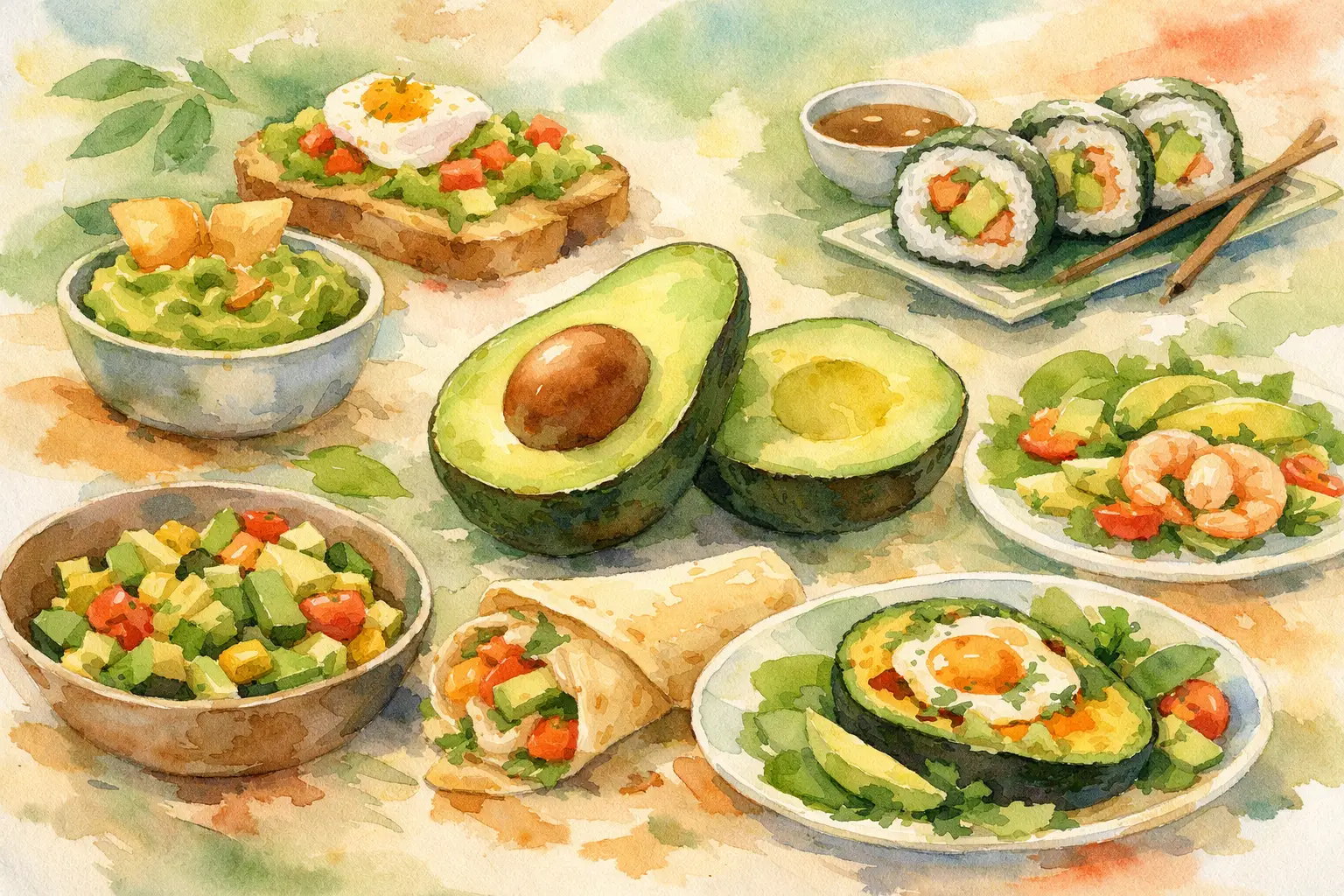
    Mash them onto toast with eggs in the morning. Slice them into wraps after school. Add them to burgers, tacos, or grain bowls at dinner. Blend them into a creamy dressing or pair them with citrus and greens for a simple side dish. When the fruit is fresh and flavorful, it does not need much help.

    That ease is part of their value for families. A premium avocado can turn leftovers into lunch, make a snack more filling, and add a fresh element to meals that might otherwise feel repetitive. The better the fruit, the easier it is to build healthy habits around it.

    Is farm to table always worth the premium?

    For some shoppers, the answer depends on how often they buy avocados and how much frustration they have had with inconsistent quality. If you only use avocados occasionally, convenience might matter more than sourcing. But if avocados are a regular part of your family’s meals, paying for freshness and reliability can make financial sense.

    Better fruit often means less waste. It can also mean fewer disappointing meals and fewer emergency grocery runs when the avocados you bought are unusable. Over time, that consistency has value.

    There is also the values piece. Some families are willing to spend more because they want to support domestic agriculture, know their grower, and choose food with a clearer path from field to home. That is not a small benefit. It is part of what makes the purchase feel worthwhile.

    Farm to table avocados are not just about what tastes good in the moment. They are about bringing home food with integrity, feeding the people you love with confidence, and choosing a supply chain that still feels human. When fruit is grown with care and sent with purpose, every slice carries a little more of what families are really looking for – freshness, trust, and a better way to eat.

  • Why American Grown Produce Matters

    The difference often shows up at the cutting board first. A tomato that actually smells like a tomato. Greens that last longer in the fridge. An avocado that ripens with rich flavor instead of going from rock hard to brown overnight. That is part of the appeal of american grown produce – food that feels closer to home in every sense, from freshness and flavor to trust.

    For many families, produce shopping is no longer just about checking off a list. It is about feeding kids well, stretching the grocery budget wisely, and making choices that reflect what matters at home. When produce is grown in the United States, that choice can carry more value than people realize. It can mean a shorter path from farm to table, clearer standards, and the satisfaction of supporting the families who still work the land here.

    What makes american grown produce different

    Not all produce follows the same journey. Some fruits and vegetables travel long distances, spend more time in storage, and are handled across multiple transfer points before they ever reach a kitchen. American grown produce can often move through a tighter, more transparent chain. In many cases, that means less time between harvest and eating.

    That shorter timeline matters because produce is not static. Flavor changes. Texture changes. Shelf life changes. A piece of fruit harvested closer to its ideal maturity simply tends to eat better than one picked early to survive a long trip. There are exceptions, of course. A well-run international supply chain can still deliver quality food, and some imported items fill important seasonal gaps. But when domestic options are available, many shoppers notice a difference in consistency.

    There is also a trust factor that matters to modern families. People want to know where food comes from, how it was grown, and whether the business behind it shares their values. Buying from American farms can make that feel less abstract. The source is easier to identify, and the story behind the food is often easier to understand.

    Freshness is not just a buzzword

    Freshness gets thrown around so often that it can start to sound like packaging copy. But in produce, freshness has real everyday consequences. It affects how long berries last after school lunches are packed. It affects whether salad greens stay crisp through the week. It affects whether an avocado is creamy, buttery, and ready when dinner needs it.

    When produce spends fewer days in transit, it often arrives with more life left in it. That matters for busy households trying to reduce waste. Nobody likes throwing away expensive fruit because it never had a real chance once it got home.

    This is one reason direct-from-farm models resonate with families. The produce feels more intentional. It was not selected to survive the longest possible route. It was grown to be enjoyed. For a brand like Holmes Grown USA, that From Grove to Table promise is not just a nice phrase. It reflects a different pace and purpose behind the food itself.

    Why families care more about source now

    A generation ago, many shoppers accepted produce as a mostly anonymous category. Today, families ask better questions. Where was this grown? Who grew it? Was it handled with care? Is this choice better for my table and for the people producing it?

    That shift comes from a few places. More parents are focused on whole foods and ingredient quality. More home cooks want produce that performs better in real recipes, not just under store lighting. And more consumers understand that every purchase shapes the kind of food system they help sustain.

    Supporting domestic farms is part of that picture. When families choose American grown produce, they are not only buying food. They are backing agricultural knowledge, rural jobs, family farming legacies, and the kind of domestic food resilience that becomes especially important when supply chains get strained.

    That does not mean every US-grown item is automatically superior, or that imports are inherently problematic. Food systems are complex, and seasonality matters. But source is no longer a minor detail. For many shoppers, it is central to quality.

    The flavor advantage people notice at home

    The best produce does not need much help. Good strawberries carry their own sweetness. A ripe peach does not need sugar. A great avocado can turn toast, tacos, eggs, grain bowls, and salads into something that feels both nourishing and satisfying.

    Flavor is where many domestic growers earn loyalty. Produce that spends less time getting to the customer can hold onto more of what people actually crave – aroma, texture, and that just-picked character that makes simple meals feel special. This is especially true for fruits that can be finicky about ripeness.

    Avocados are a perfect example. Anyone who buys them regularly knows the frustration of uneven ripening. One is hard for days, another is mushy by morning, and neither tastes as rich as it should. When avocados are grown with care and shipped with freshness in mind, the eating experience changes. It becomes easier to plan meals and easier to enjoy the fruit at its best.

    That kind of reliability matters in family kitchens because healthy food has to be practical, not just idealistic. If fresh produce is easier to use, tastes better, and gets eaten instead of wasted, families come back to it again and again.

    American grown produce and the values behind the purchase

    For many households, buying food is one of the most regular ways to put values into action. That can mean choosing cleaner ingredients, cooking more meals at home, or looking for growers who treat the land with respect. American grown produce fits naturally into that mindset because it connects nourishment with stewardship and community.

    Domestic farming is not one-size-fits-all. Practices vary by crop, region, and farm size. Still, many consumers feel more confident when they can identify the farm or at least the growing region. That transparency helps them make choices that feel grounded rather than generic.

    There is also something deeply personal about supporting family farms. When a second-generation farm continues growing food for the next generation, the purchase means more than a transaction. It helps preserve knowledge, land, and a way of life that is easy to celebrate in words but harder to sustain without real customer support.

    Families who care about Growing Healthy Families often recognize that health starts before the meal is made. It starts with the source. It starts with food grown by people who take pride in what reaches the table.

    What to look for when buying american grown produce

    The label alone is not the whole story. If you want the best experience, look beyond country of origin and pay attention to signs of care. Ask whether the produce is seasonal. Notice whether the seller can clearly explain where it was grown. Consider how it was packed, handled, and delivered.

    Seasonality matters because produce usually tastes best when it is harvested in its natural window. Transparency matters because confident growers are usually proud to tell you where your food came from. And handling matters because even excellent fruit can lose quality if it is treated like a commodity instead of food meant for a family table.

    It is also worth being realistic. The best buying choice may vary by time of year, your location, and what your household actually eats. A practical approach beats a perfect one. Start with the produce your family uses most often, then seek out domestic options that consistently deliver better flavor, freshness, and value.

    A stronger connection to the food on your table

    One of the quiet benefits of choosing American grown produce is that it can make food feel more meaningful again. Not fancy. Not complicated. Just more connected. Kids learn that fruit and vegetables come from farms, not only from bins. Home cooks gain confidence when ingredients behave the way they should. Families feel better about meals built from food with a clear origin.

    That connection is part of what keeps people coming back to farm-fresh produce. It tastes good, yes, but it also feels good to serve. There is comfort in knowing who grew it, pride in supporting American agriculture, and real satisfaction in sharing food that was raised with care.

    When produce is this intentional, healthy eating feels less like a chore and more like a natural rhythm of home life. And that is a choice worth making whenever you can.

  • Hello world!

    Welcome to WordPress. This is your first post. Edit or delete it, then start writing!