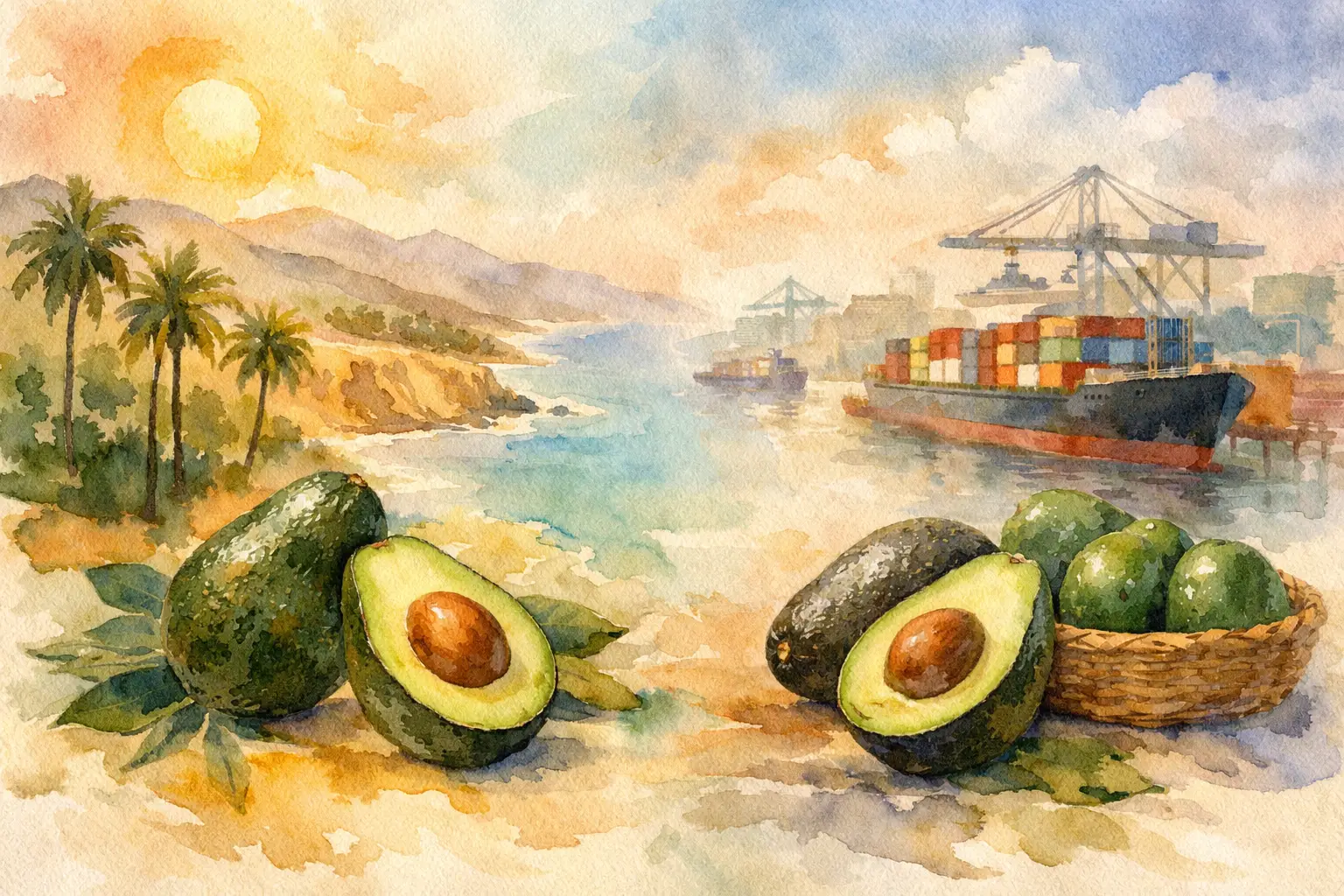
You can feel the difference in an avocado before you even cut it. Some have that rich, buttery give that promises a perfect slice for toast or a creamy mash for guacamole. Others look fine on the outside but turn stringy, watery, or brown the moment you open them. That is why the question of california avocados vs imported matters to so many families. It is not just about geography. It is about freshness, flavor, timing, and trust in what you are bringing home.
For shoppers who care about feeding their families well, avocados are more than a trend item. They are part of real meals – breakfast bowls, lunch salads, after-school snacks, taco night, and simple dinners that need one good ingredient to pull everything together. When you compare California-grown fruit with imported avocados, the biggest differences show up in the everyday experience of buying, ripening, and eating them.
California avocados vs imported: why source matters
An avocado is a living fruit, and it keeps changing after harvest. The closer it is to where it is grown, packed, and delivered, the more control there is over that process. California avocados often reach American customers with less travel time and fewer handoffs than fruit that has crossed international supply chains.
That matters because every extra day in transit affects texture and ripening. Imported avocados can still be good, and many shoppers buy them year-round without issue. But longer shipping routes, more storage time, and more handling can make consistency harder to predict. If you have ever bought a bag where one avocado was rock hard, one was overripe, and two never ripened properly, you have seen that trade-off firsthand.
With California fruit, especially when it comes from a farm that ships directly after harvest, there is often a shorter path from grove to table. That tends to show up in the eating quality. The fruit can feel fresher, ripen more naturally, and hold that creamy texture families are hoping for.
Taste and texture are not small details
When people say an avocado is good, they usually mean one thing – it tastes rich and clean, with a smooth texture that spreads easily and slices beautifully. California avocados are often prized for that buttery mouthfeel and balanced flavor. They can have a nutty, full taste that stands up on its own, whether you are using just sea salt and lemon or building a whole meal around them.
Imported avocados vary. Some are excellent. Others are picked and moved through systems designed for volume first, which can affect how the fruit finishes ripening. The result can be less creaminess, more fiber, or flavor that feels a little flat.
This is where personal preference comes in. If you are making a heavily seasoned dip, the difference may be less obvious. If you are serving avocado in simple dishes – sliced over eggs, layered into sandwiches, or added to a child’s lunch – quality becomes much easier to notice.
Freshness changes the whole experience
Freshness is one of those words people use a lot, but with avocados it has real meaning. A fresher avocado gives you a better window of ripeness. Instead of going from hard to mushy overnight, it tends to ripen more evenly and give you a little more flexibility in your kitchen.
That matters for busy households. Most families do not want produce that has to be used within a few unpredictable hours. They want avocados they can plan around. They want to know that when taco night comes, the fruit they bought a few days ago will still be usable.
In the california avocados vs imported conversation, this is one of the strongest practical arguments for domestic fruit. Less time spent traveling can mean more useful time on your counter. And when avocados are harvested with care and shipped with freshness in mind, the difference can show up in fewer disappointing cut-open moments.
Ripening can be more reliable with California-grown fruit
A lot of frustration with avocados has nothing to do with taste and everything to do with timing. One of the biggest reasons shoppers seek out California avocados is the hope of more predictable ripening.
Imported fruit often moves through a more complex chain that may include cold storage, staging, and distribution steps before it ever reaches the store or your doorstep. That can interrupt the natural rhythm of ripening. Sometimes the outside softens before the inside is ready. Sometimes the fruit stays firm longer than expected, then overripens quickly.
California-grown avocados are not magic, and all avocados require some patience. But fruit that spends less time in transit often has a better shot at ripening in a way that feels more natural. For home cooks, that reliability is worth a great deal. It saves money, reduces waste, and makes healthy meal planning easier.
Nutrition is similar, but quality still matters
From a basic nutrition standpoint, California and imported avocados are both strong choices. Avocados are known for healthy fats, fiber, and important nutrients that support satisfying meals and balanced eating. If your goal is to add a nutrient-dense whole food to your routine, either source can contribute to that.
Still, nutrition is not only about the label. It is also about whether the fruit gets eaten and enjoyed. A watery or bruised avocado is more likely to be scraped into the trash than onto a plate. A creamy, flavorful avocado is more likely to become part of regular meals for both adults and kids.
That is one reason source matters to health-minded households. The better the eating experience, the easier it is to build healthy habits around real food. Quality supports consistency.
The bigger difference is trust
Many shoppers are not simply asking which avocado tastes better. They are asking who grew it, how it was handled, and whether their dollars support the kind of food system they believe in.
California avocados offer a level of source connection that imported fruit often cannot. For families who want more transparency, buying domestic produce can feel more grounded and more personal. You are often closer to the farm, closer to the season, and closer to the story behind the food.
That does not mean imported produce is automatically inferior or irresponsible. It means there is a meaningful difference between anonymous commodity fruit and fruit tied to a known growing region, family farming tradition, and careful harvest practices. For many Americans, that matters. Supporting domestic agriculture is not just patriotic language. It is a purchasing choice tied to freshness, accountability, and the future of family farms.
Price matters, and so does value
Imported avocados are often positioned as the cheaper option, especially in large-volume retail settings. If you are comparing sticker prices only, imported fruit may win on some shopping trips.
But value is not the same as price. If lower-cost avocados ripen unevenly, spoil quickly, or leave you disappointed half the time, the savings can shrink fast. A better avocado that gets used fully, tastes better, and makes meals easier can be the better value for many households.
This is especially true for shoppers who are intentional about food. If you care about what your family eats, where it comes from, and how often produce goes to waste, the lowest shelf price may not tell the whole story.
When imported avocados still make sense
There is room for honesty here. Imported avocados help fill demand when domestic fruit is out of season or harder to find. They give shoppers access to avocados throughout more of the year, and that convenience matters.
For some families, availability and budget will guide the choice, and that is reasonable. The goal is not perfection. It is making thoughtful decisions when you can. If California avocados are in season and available, many shoppers will notice the difference. When they are not, imported fruit can still play a role in healthy meals.
What matters most is knowing there is a difference and choosing with open eyes.
Choosing the best avocado for your table
If your top priorities are flavor, freshness, ripening consistency, and supporting American growers, California avocados have a strong case. If your top priorities are year-round access or lower upfront cost, imported avocados may still fit your routine.
For many families, the real answer is not either-or all year long. It is paying attention to season, source, and how the fruit performs in your kitchen. When avocados are grown closer to home, harvested with care, and delivered with less time in the middle, they tend to offer a better experience from first cut to last bite.
That is why brands like Holmes Grown USA believe the best avocado is not just one that looks good in the store. It is one that helps you put better food on the table, waste less, and feel good about where your food came from.
The next time you shop, do not just ask whether an avocado is ripe. Ask what kind of journey it took to reach your kitchen. Often, that tells you almost everything you need to know.
Leave a Reply