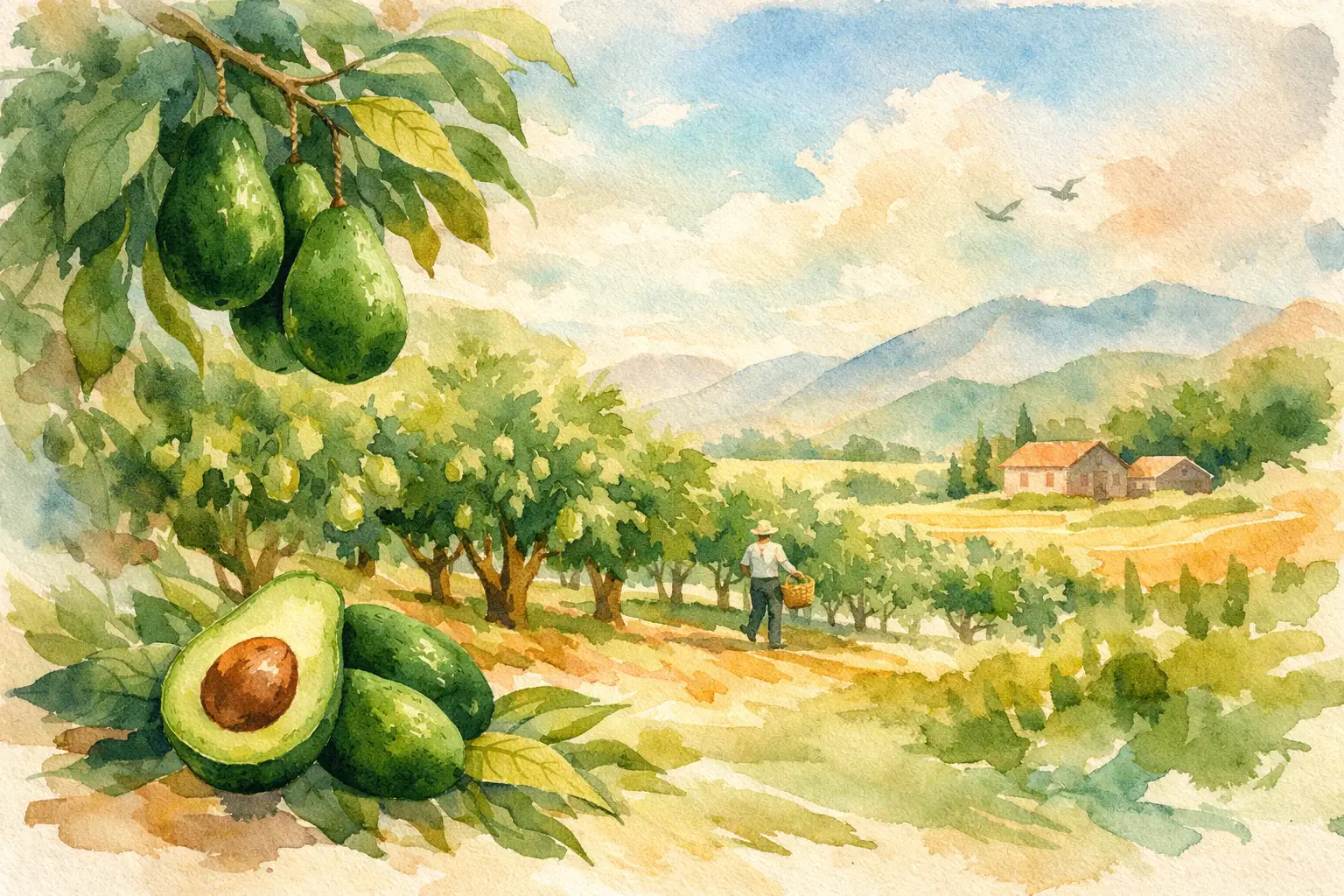
If you have ever sliced into a perfectly creamy avocado and wondered what it took to get that fruit from a tree to your kitchen, the answer starts long before harvest day. Understanding how avocados are grown gives you a better sense of why freshness, timing, and careful farming matter so much – especially when you want food that tastes better and supports healthy family meals.
At a glance, avocados may seem simple. They grow on trees, they ripen, and they are picked. But anyone who farms them knows there is nothing casual about the process. Great avocados come from years of care, close attention to the land, and a steady commitment to quality from season to season.
How avocados are grown from tree to fruit
Avocados grow on evergreen trees that thrive in mild climates with plenty of sun and well-drained soil. That is one reason California has become one of the best places in the country for avocado growing. The trees do not like standing water, hard freezes, or extreme swings in temperature, so where they are planted matters just as much as how they are managed.
Before a single avocado appears, a grower has to establish healthy trees with strong roots and enough room to mature. An avocado orchard, often called a grove, is planned with long-term care in mind. These trees are not short-term crops. They are a commitment that can produce fruit for many years, but only if they are protected and managed well.
Young trees need patience. In the first years, the focus is on structure and health rather than heavy production. Growers pay close attention to irrigation, soil condition, wind exposure, and signs of stress. A tree that gets off to a strong start is far more likely to produce dependable, high-quality fruit later on.
The growing conditions that shape quality
When people ask how avocados are grown, they are often really asking why some avocados taste rich and buttery while others seem watery or bruised before they are even ripe. The answer usually comes back to growing conditions and handling.
Avocado trees need consistent moisture, but not too much. This balance is one of the biggest trade-offs in farming. Too little water can stress the tree and affect fruit size. Too much water can harm roots and create disease pressure. Good growers do not just water on a schedule and hope for the best. They watch the weather, the soil, and the trees themselves.
Sunlight also plays a major role. Trees need enough light to support flowering and fruit development, but hot conditions can create stress, especially during heat waves. In places like San Diego County, the coastal climate can help moderate extremes. That does not mean every season is easy. Farming always depends on the year. A mild season may support steady growth, while unusual heat, wind, or cold can reduce yields or change the timing of harvest.
Soil health matters too. Healthy soil supports root growth, water movement, and nutrient uptake. That is part of sustainable farming that often goes unnoticed by shoppers, even though it directly affects what ends up on the table. Strong fruit begins with healthy ground.
Flowering, pollination, and fruit set
One of the most fascinating parts of avocado farming happens before the fruit is even visible. Avocado trees produce thousands of small yellow-green flowers. Not every flower becomes fruit. In fact, only a small percentage will make that journey all the way to harvest.
Pollination is part of the story, and it is more interesting than many people realize. Avocado flowers open in two stages, functioning as female first and male later. This pattern helps encourage cross-pollination. Bees and other pollinators can help move pollen between flowers, which supports fruit set.
Even then, fruit production is never guaranteed. Weather during bloom can affect pollination and early fruit development. Cool temperatures, wind, or rain at the wrong time can reduce the number of avocados a tree carries. That is why farming avocados requires both skill and humility. Growers can do many things right and still depend on nature to cooperate.
Once fruit sets, the small avocados begin developing slowly over many months. This is not a quick crop. Avocados stay on the tree for an extended period, gradually building size, oil content, and flavor.
Why avocados do not ripen on the tree
This surprises many people the first time they hear it. Avocados mature on the tree, but they do not fully ripen there. They are harvested when they have reached the right maturity, then they soften after picking.
That detail changes everything about quality. A grower has to know when the fruit is ready to harvest, even though it will still feel firm. Pick too early and the avocado may never develop the full taste and texture people expect. Pick at the proper maturity and you get the creamy, satisfying fruit that makes avocados such a staple in healthy kitchens.
This is one reason farm-fresh shipping matters. When fruit is harvested with care and sent out close to picking, families have a much better chance of enjoying avocados at their best. The timing feels simple from the customer side, but behind it is a lot of knowledge and coordination.
Harvesting takes care, not shortcuts
Avocados are usually harvested by hand. That is important because the fruit bruises easily if handled roughly. Workers clip or pick the avocados carefully, often using tools for higher branches, and collect them in a way that protects the skin and flesh.
Hand harvesting is slower than many people might assume, but quality fruit is worth that extra attention. In a family-run grove, that care is part of the promise. From Grove to Table is not just a nice phrase. It reflects the real work of harvesting fruit at the right time and moving it with care so it reaches your kitchen in beautiful condition.
Not every avocado on every tree is ready at the same moment, either. Harvest can happen in passes, with growers selecting mature fruit while leaving some behind to continue developing. That selective approach is one more reason premium avocados stand apart from commodity produce.
What happens after the avocados are picked
After harvest, avocados are sorted for quality and prepared for the next step in their journey. Size, appearance, and condition all matter. This is where attention to detail protects the eating experience.
The fruit is still firm at this stage, which helps with shipping and handling. Then the ripening process happens after purchase or under controlled conditions, depending on how the avocados are being sold. For customers, this stage can make a major difference in convenience. Reliable ripening means less waste, fewer disappointments, and more confidence when planning meals.
That matters for busy households. Whether you are making avocado toast before school, slicing fruit onto tacos, or adding it to a salad for dinner, you want avocados that are ready when you need them. Growing Healthy Families starts with food that is both nutrient-dense and dependable.
Sustainable care is part of how good avocados are grown
Families who care about where their food comes from often want more than a good-looking piece of fruit. They want to know the land is being respected too. Sustainable avocado farming can include careful water management, soil stewardship, long-term tree health, and thoughtful use of resources.
There is no single perfect formula because every grove is different. What works in one region may not work the same way in another. But the principle stays the same: better farming tends to come from growers who are thinking beyond one harvest.
That long view is especially meaningful on a family farm. When a grove is part of a generational legacy, the goal is not just to get through the season. It is to preserve the land, protect fruit quality, and keep growing something worth passing down.
For many American families, that connection matters. Buying produce from domestic farms is not only about convenience. It is about trust, transparency, and supporting the people who are still committed to growing food with care here at home.
Why the growing process matters at the table
Once you understand how avocados are grown, you can taste the difference in a more meaningful way. Good avocados are the result of patient tree care, healthy soil, careful harvest timing, and respectful handling. They are not just another grocery item. They are the end product of months of work and years of farming experience.
That is part of what makes California-grown fruit so special. In the right climate, with the right stewardship, avocados can develop the texture, flavor, and freshness families are looking for. Holmes Grown USA is built on that belief – that when food is grown with care and shipped with purpose, people can Experience the Perfect Avocado, Every Time.
The next time you cut into an avocado, it helps to remember that its journey began in a grove shaped by sun, soil, water, and patient hands. Knowing that does not just make the fruit more interesting. It makes the meal feel a little more connected to the people and the land that made it possible.
Leave a Reply