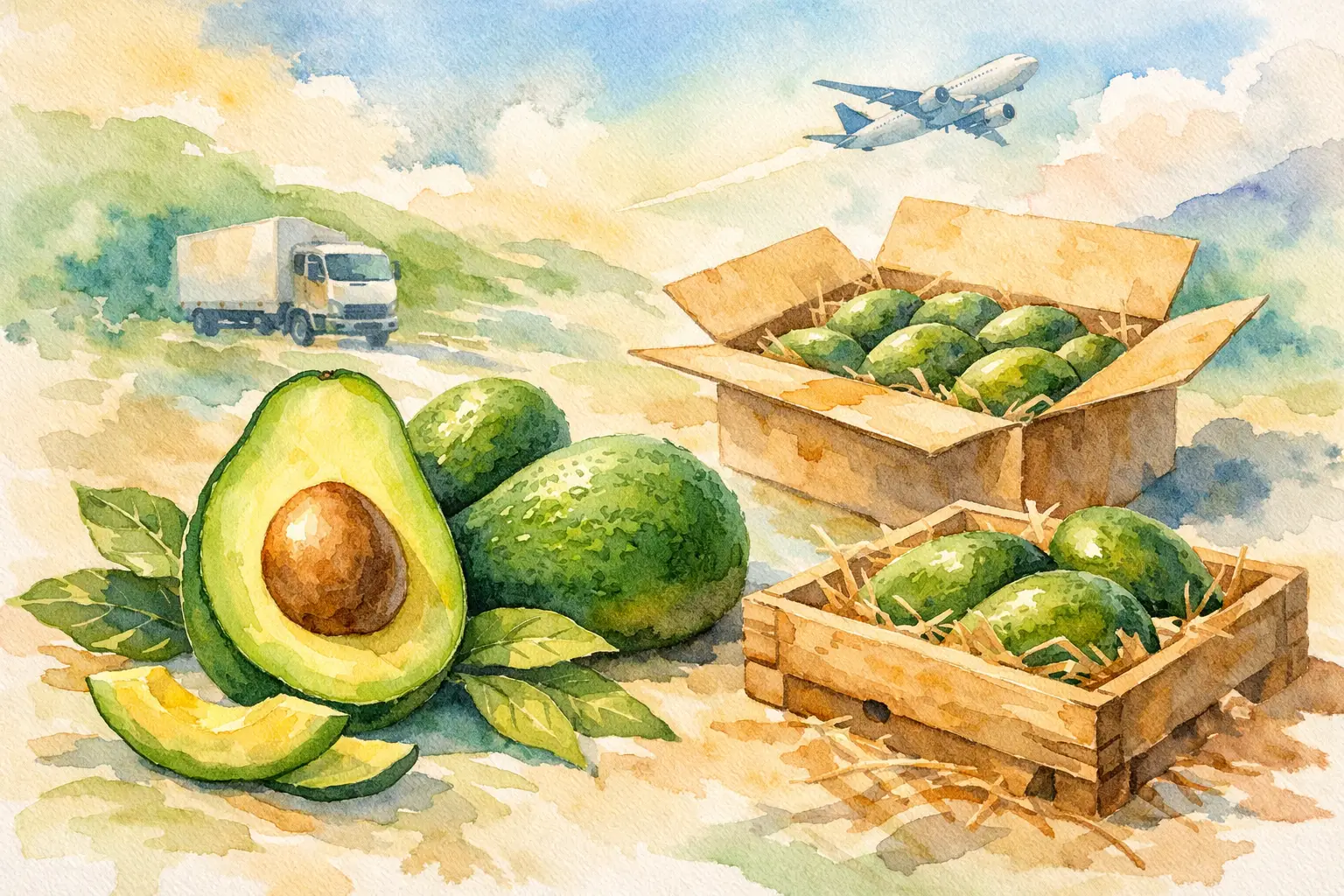
A beautiful avocado can go from grove-fresh to bruised and overripe faster than most people expect. If you are figuring out how to ship fresh avocados, the real job is not just getting them into a box. It is protecting flavor, texture, and ripeness so they arrive ready for the kitchen, not the compost bin.
For families who care where their food comes from, shipping matters almost as much as growing. A premium avocado should still feel like a premium avocado when it reaches the doorstep. That takes thoughtful timing, careful packing, and a little restraint. The biggest mistake is trying to rush the fruit before it is ready.
How to ship fresh avocados without ruining them
Fresh avocados are climacteric fruit, which means they continue ripening after harvest. That is good news for shipping, but only if you send them at the right stage. Ship them too soft and they may arrive bruised, warm, and ready to spoil. Ship them too hard without any planning, and your customer may be left waiting longer than expected for usable fruit.
The sweet spot is mature but still firm avocados. They should be fully grown and harvested at the proper maturity level, but not yet ripe to the touch. Firm fruit travels better because it can handle normal movement in transit and finish ripening at home. This is one of the main reasons farm-direct shipping can work so well when it is done carefully. The fruit is picked with the journey in mind.
Timing also changes with the season. In warmer months, avocados can ripen faster during transport, even inside a well-packed box. In cooler weather, transit is generally more forgiving, though very cold conditions create their own problems. There is no one-size-fits-all rule here. How to ship fresh avocados depends partly on the fruit and partly on the forecast.
Start with the right avocados
The best shipping plan cannot save poor fruit. Before packing, inspect each avocado for cuts, soft spots, skin breaks, or signs of internal damage. A tiny bruise can become a big problem after a few days in a box.
Size matters too. Very large avocados can be more prone to pressure damage if the box is packed tightly, while smaller fruit can shift too much if there is extra space. A consistent pack tends to travel better than a mixed assortment because the fruit supports itself more evenly.
It also helps to avoid washing the fruit right before packing unless it is truly necessary and fully dried. Excess surface moisture can encourage mold and create a poor shipping environment. Clean, dry, firm fruit gives you the best chance at a good arrival.
Packing matters more than people think
If you want avocados to arrive in good condition, the box needs to do more than contain them. It needs to limit movement, reduce pressure points, and protect the fruit from sudden temperature swings.
A sturdy corrugated box is the usual starting point. Inside the box, each avocado should have some kind of cushion. That might be molded inserts, paper padding, or another food-safe protective material that keeps fruit from knocking into fruit. The goal is simple. The avocados should not rattle when the box is moved.
Overpacking creates one set of problems, and underpacking creates another. If the fruit is pressed too tightly together, you increase the chance of bruising. If there is too much empty space, the avocados roll around and get damaged anyway. Good packing feels secure but not compressed.
Ventilation also matters. Avocados are living produce, and they release ethylene as they ripen. A completely sealed environment can trap heat and speed up ripening in uneven ways. Boxes designed for produce shipping usually perform better than generic mailers because they balance protection with airflow.
Temperature can make or break the shipment
Temperature is one of the biggest variables in avocado shipping. Heat speeds ripening. Excessive cold can damage the fruit and leave you with poor texture, dark flesh, or off flavors. That is why the best shipping approach is usually moderate and controlled, not extreme.
For most direct-to-consumer shipments, avocados are best sent firm and kept out of very hot conditions. During high-heat stretches, insulated packaging or faster transit may be worth the extra cost. During cold snaps, some protection against chill injury matters just as much.
This is where trade-offs come in. Adding cold packs might sound smart, but if they are too cold or sit directly against the fruit, they can do harm. On the other hand, skipping temperature protection in summer can leave fruit soft before it even reaches the porch. The right choice depends on distance, weather, and the ripeness stage at pack-out.
For many farm shippers, avoiding weekend delays is just as important as the packaging itself. Fruit sitting in a warehouse or truck for an extra two days is far more likely to arrive in poor shape. Shipping early in the week helps prevent that.
Choosing the best transit speed
Not every avocado shipment needs overnight service, but not every shipment should go ground either. The ideal transit speed depends on how far the fruit is traveling and how firm it is when packed.
For nearby zones, a one- to two-day window is often enough. For longer distances, faster service can protect quality, especially in warm weather. Paying for speed is not just about convenience. It can be the difference between fruit that ripens beautifully on the counter and fruit that arrives with hidden pressure damage.
That said, faster is not automatically better if the fruit was packed too ripe. Shipping strategy starts with harvest decisions, then packaging, then carrier speed. If those first two steps are off, premium shipping alone will not fix the problem.
How to ship fresh avocados to customers at home
Shipping to homes adds one more challenge. You are not sending fruit to a warehouse or store with trained receivers. You are sending it to a front porch, a mailbox area, or a family that may not open the box right away.
That means communication matters. Customers should know what stage the fruit is arriving in and what to do next. If the avocados are still firm, say so clearly. If they should be moved out of the box and left on the counter, explain that. If refrigeration should wait until the fruit reaches ideal ripeness, include that too.
Simple instructions can prevent a lot of disappointment. Many people think firm avocados are unripe in a bad way, when in reality that firmness is exactly what protects freshness during delivery. When buyers understand the process, they are more likely to have a good eating experience.
A short note in the box can go a long way. For a family farm brand, this is also a chance to reinforce trust. From Grove to Table is not just a nice phrase. It should feel true when the customer opens the package and sees carefully handled fruit that was packed with intention.
Common mistakes that ruin shipped avocados
Most avocado shipping problems come back to a handful of avoidable issues. Packing ripe fruit is a common one. So is using weak boxes that collapse under weight or pressure. Another frequent mistake is shipping late in the week and letting the fruit sit through the weekend.
There is also a tendency to overcomplicate the process. Too much insulation, too many ice packs, or too many layers can create as many issues as they solve. Avocados need protection, but they also need room to breathe and ripen naturally.
Then there is the sourcing problem. Fruit that has already spent too much time in storage before shipping has less life left in it. That is one reason farm-direct produce can stand apart. The closer the shipment is to harvest, the better your odds of preserving taste and texture all the way to the table.
Why good avocado shipping reflects good farming
People often talk about shipping as if it is separate from growing, but the two are connected. A grower who cares about quality at harvest usually cares about quality in transit too. Care shows up in the details – when the fruit is picked, how it is sorted, how it is packed, and whether the customer receives honest guidance about ripening.
At Holmes Grown USA, that mindset is part of what family farming means. You are not just moving inventory. You are sending food to someone’s home, someone’s dinner table, someone’s family. That should shape every decision from the grove to the box.
If you want to ship avocados well, think less like a shipper and more like a host. You are preparing something good for someone else to enjoy. When the fruit is picked at the right stage, packed with care, and sent with smart timing, it arrives the way it should – firm, fresh, and full of promise for the meals ahead.
The best avocado shipment does not feel lucky. It feels considered, and that is what people remember when they come back for another box.
Leave a Reply