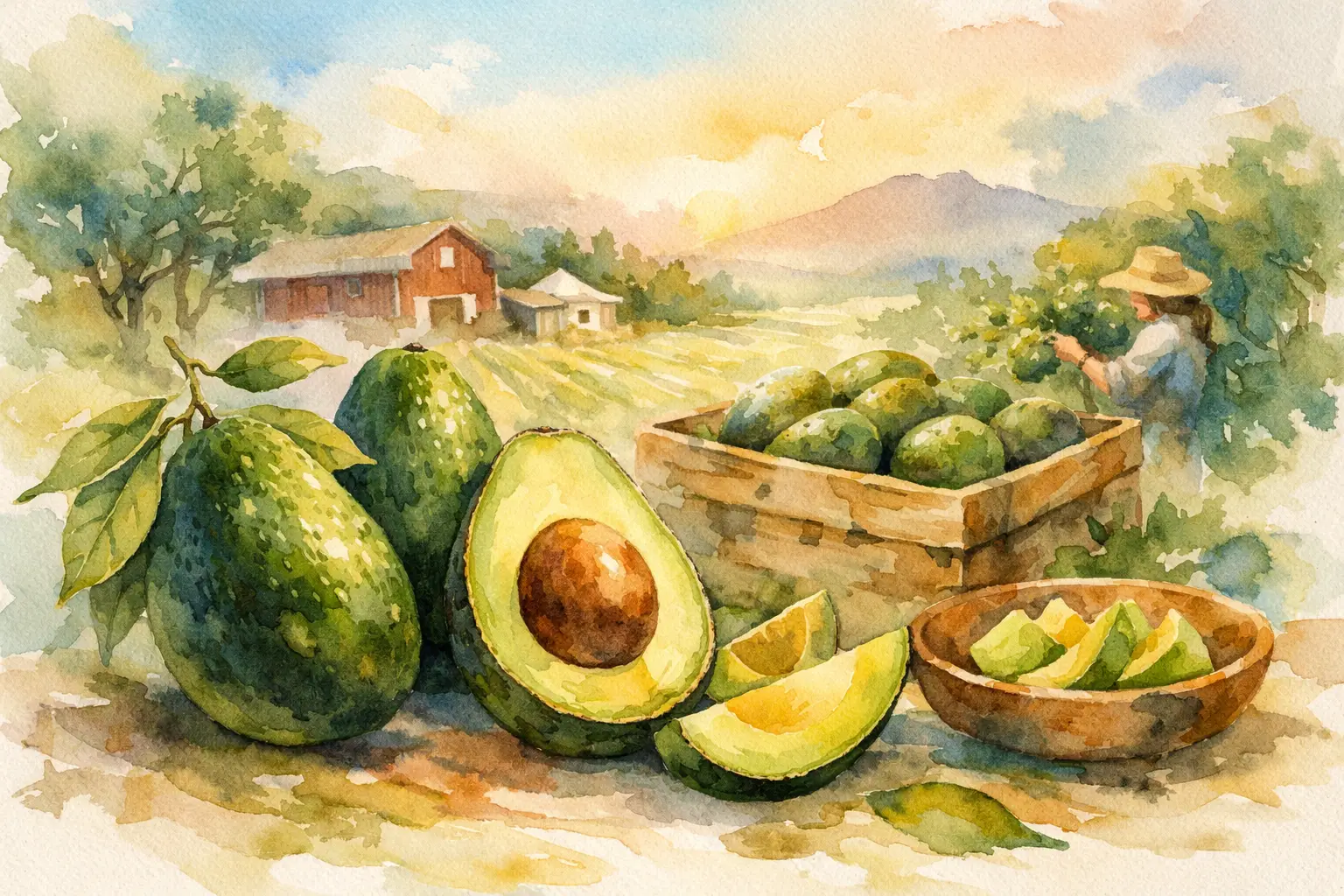
A hard avocado on Monday that turns mushy by Wednesday is more than a kitchen annoyance. It is usually a sign that your fruit spent too much time moving through warehouses, trucks, and store displays before it ever reached your counter. Farm to table avocados change that experience. When avocados travel a shorter, more intentional path from the grove to your kitchen, you can taste the difference, feel the difference, and serve your family with more confidence.
For many households, avocados are not a trendy extra anymore. They are breakfast, lunchbox fuel, taco night essentials, smoothie boosters, and the finishing touch on simple dinners. When a food shows up that often, quality matters. So does trust. People want to know where their food came from, how it was grown, and whether the premium they pay actually delivers a better meal.
What farm to table avocados really mean
At its core, farm to table avocados means the fruit moves from the farm to the customer with fewer middle steps. Instead of being treated like a generic commodity, the avocado is handled more like what it is – a fresh, living product with a short window for peak eating.
That shorter supply chain often leads to fresher fruit, but the idea is bigger than freshness alone. It also speaks to source transparency, grower accountability, and a closer connection between the people producing food and the families eating it. For shoppers who care about clean eating and intentional buying, that connection matters.
It is also worth being honest about what the phrase does not guarantee. Farm to table does not automatically mean organic, local to every buyer, or perfect every single time. Avocados are still seasonal, weather still matters, and ripening still takes a little attention at home. But when the fruit is harvested and shipped with care, your odds of getting a better avocado improve in a very real way.
Why farm to table avocados taste different
The biggest difference starts with time. Avocados do not improve because they sit around longer in a complicated distribution network. They improve when they are picked at the right maturity, handled carefully, and allowed to ripen the way they are supposed to.
When fruit spends less time in storage and less time being passed from one stop to the next, it tends to arrive with better texture and more consistent eating quality. That means fewer avocados that look fine outside but have brown strings, watery flesh, or uneven soft spots inside.
Flavor is where many families notice the payoff first. A well-grown avocado with a shorter path to the table has a fuller, richer taste and that smooth, buttery texture people expect when they slice into one. It can make a simple piece of toast feel complete and turn a basic salad into something satisfying enough to count as dinner.
There is also a practical side to better flavor. When produce tastes good on its own, families usually eat more of it. You do not need to hide it under heavy sauces or overcomplicate meals. That is one reason avocados have become such a reliable staple for health-conscious households.
From grove to table means more control over ripeness
One of the most frustrating parts of buying avocados is the guesswork. Shoppers squeeze fruit in the store, bring it home, and hope for the best. Sometimes everything ripens at once. Sometimes nothing ripens evenly. Sometimes you cut into one at exactly the wrong moment.
Farm to table avocados help because the fruit is typically packed and sent with more attention to its condition and timing. That does not remove the natural ripening process, but it gives customers a better starting point. Instead of working around days or weeks of unknown handling, you are receiving fruit that has been managed with a clearer purpose.
This matters for busy homes. Parents planning lunches, dinners, and snacks do not want food that feels unpredictable. A more reliable avocado means less waste, fewer last-minute substitutions, and a better chance of having ripe fruit when the family actually needs it.
There is still some home judgment involved, of course. If you want avocados for the weekend, leaving them out on the counter may be right. If you have a few that are ready sooner than planned, moving them to the refrigerator can buy time. The point is not perfection. The point is having fruit worth managing because it started in better shape.
The nutrition story is stronger when the source is clear
Avocados have earned their place in healthy kitchens for good reason. They offer beneficial fats, fiber, and a satisfying richness that helps meals feel complete. They fit just as easily into a quick breakfast as they do into a grain bowl, sandwich, or family dinner spread.
But nutrition is not only about the label or the ingredient itself. It is also about whether a food gets used, enjoyed, and trusted. When families feel confident about where their food came from, they are more likely to keep it in rotation. Farm to table avocados support that confidence because the product has a story, a source, and a standard behind it.
For many American families, that trust is part of health ownership. Feeding your household well is not just about calories or trends. It is about making everyday choices that line up with your values. Knowing your avocados came from growers who care about quality and sustainability gives the purchase more meaning than a random grab from a grocery bin.
Why supporting American growers matters
There is a deeper reason many people are drawn to farm to table food, and it goes beyond taste. Buying from American family farms keeps more value connected to the people actually doing the growing. It supports agricultural communities, protects farming knowledge passed down across generations, and gives consumers an alternative to faceless supply chains.
That matters in a time when so much of the food system feels distant. A direct relationship between grower and customer restores some of what has been lost. It reminds us that food is not manufactured in a vacuum. It is planted, tended, harvested, packed, and shared by real people.
For a family farm, that work carries legacy with it. The fruit is not just inventory. It reflects land stewardship, pride in craft, and a long-term commitment to doing things the right way. Holmes Grown USA is built around that kind of promise – growing premium avocados in California and sending them from grove to kitchen with care families can count on.
Farm to table avocados fit real life
The best healthy foods are the ones people actually want to eat on an ordinary Tuesday. That is where avocados shine. They are flexible enough for quick meals and special meals, and they do not ask much from the cook.
Mash them onto toast with eggs in the morning. Slice them into wraps after school. Add them to burgers, tacos, or grain bowls at dinner. Blend them into a creamy dressing or pair them with citrus and greens for a simple side dish. When the fruit is fresh and flavorful, it does not need much help.
That ease is part of their value for families. A premium avocado can turn leftovers into lunch, make a snack more filling, and add a fresh element to meals that might otherwise feel repetitive. The better the fruit, the easier it is to build healthy habits around it.
Is farm to table always worth the premium?
For some shoppers, the answer depends on how often they buy avocados and how much frustration they have had with inconsistent quality. If you only use avocados occasionally, convenience might matter more than sourcing. But if avocados are a regular part of your family’s meals, paying for freshness and reliability can make financial sense.
Better fruit often means less waste. It can also mean fewer disappointing meals and fewer emergency grocery runs when the avocados you bought are unusable. Over time, that consistency has value.
There is also the values piece. Some families are willing to spend more because they want to support domestic agriculture, know their grower, and choose food with a clearer path from field to home. That is not a small benefit. It is part of what makes the purchase feel worthwhile.
Farm to table avocados are not just about what tastes good in the moment. They are about bringing home food with integrity, feeding the people you love with confidence, and choosing a supply chain that still feels human. When fruit is grown with care and sent with purpose, every slice carries a little more of what families are really looking for – freshness, trust, and a better way to eat.
Leave a Reply